Bath bomb wholesale costs reveal strong retail margins for sellers
Wholesale bath bombs can land under $2 a unit, but the real advantage is margin, with many sellers still able to clear about 65% to 75% at common retail prices.

Made Natural lists many wholesale bath bombs between $1.50 and $3.00, with 2-ounce bombs starting around $1.96 at the 25-unit level and falling below $1.75 each once orders reach 1,000 units or more.
The wholesale math leaves real room to work
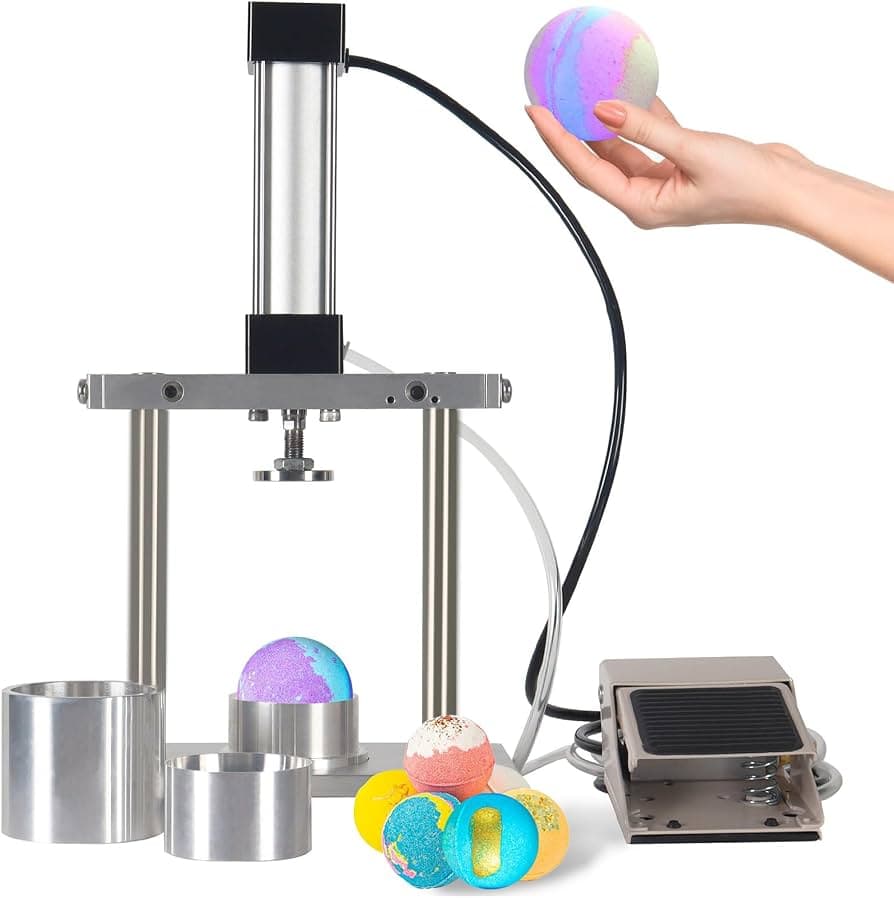
The pricing leaves room for retail markup without a complicated manufacturing setup. Bath bombs have no heavy tooling costs or layered contracts, so the buyer is mostly paying for ingredients, labor, and packaging, then seeing unit costs drop in predictable steps as volume rises.
At a typical retail price of $6 to $8, Made Natural places gross margins around 65% to 75%. That is the kind of spread that keeps bath bombs attractive to boutiques, spas, Amazon sellers, and gift shops, especially when a seller wants a small, easy-to-display product that can move at impulse-buy price points.
Size, quantity, and formulation change the number fast
Not every bath bomb should be treated as the same product. Bomb size is the first big variable, followed by order quantity, ingredient quality, and whether the item is ready-to-ship or private label. A larger bomb costs more because it uses more material, while a higher minimum order quantity lowers the per-unit cost through scale.
That is where a cheap wholesale offer can become misleading. A lower unit price can help on paper, but if the bomb feels crumbly, lacks a strong fragrance payoff, or uses ingredients that do not support premium positioning, the retailer may struggle to justify the $6 to $8 shelf price.
Bundles often sell the story better than single units
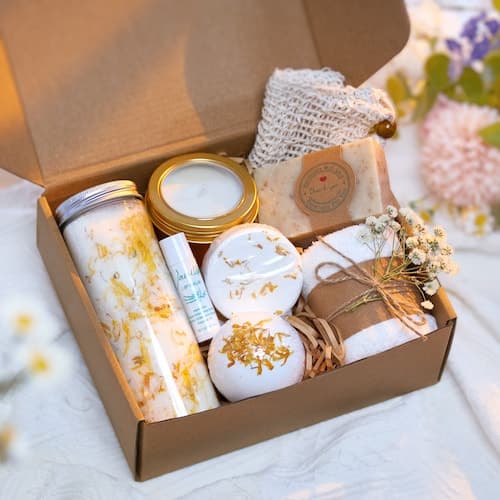
For craft fairs and online shops, the smartest move is often not to race to the lowest single-bomb price. Bundles, themed sets, and gift-ready packaging can lift perceived value fast, especially when the wholesale cost sits low enough to support margin even after boxes, labels, and filler are added.
A seller can build three-bomb sets, seasonal gift boxes, spa-night kits, or color-coordinated collections without losing the margin cushion that makes the category appealing in the first place. The key is matching the wholesale tier to the retail plan: a low-cost bomb can work well in a bundle, but if it looks too cheap on its own, it can drag down the whole display and flatten the price ceiling.
This is still a labor-heavy product with a long commercial life
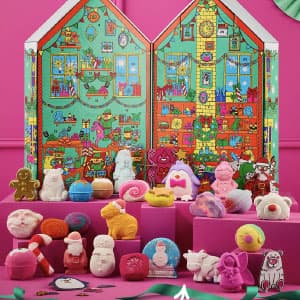
Mo Constantine invented the first bath bomb in 1989 in a garden shed in Dorset, and Lush says it was first awarded the bath-bomb trademark on April 27, 1990. Lush also says it has created more than 500 designs and sold more than 350 million bath bombs globally.
Lush said in a press release that it sold over 40.5 million bath bombs in a recent year and now produces them across seven global factories.
Market data shows the category still has room
Grand View Research values the global bath bombs market at USD 1,859.7 million in 2023 and projects it will reach USD 2,837.8 million by 2030, a 6.5% compound annual growth rate from 2024 to 2030. The United States accounted for around 85% of market share in 2023, specialty stores made up about 35% of distribution, and Europe was the largest revenue-generating region.
In North America, revenue is projected at USD 749.2 million by 2030 and a 4.8% CAGR from 2024 to 2030.
Compliance still shapes the real cost of getting to market
Bath bombs also have to clear labeling and safety expectations. Cosmetic labeling is governed by the Federal Food, Drug, and Cosmetic Act and the Fair Packaging and Labeling Act. The FPLA requires consumer commodities to disclose net contents, the identity of the commodity, and the name and place of business of the manufacturer, packer, or distributor.
Packaging, ingredient disclosure, and compliant labeling are part of the true landed cost. A product that looks cheap at the source can become expensive once the seller adds compliant labels, branded packaging, and the presentation needed to support a retail price that feels credible on a craft table or product page.
Marketplace listings back up the low-end price spread
Marketplace listings show how wide the pricing range can be. Made-in-China.com listings include bath-bomb gift sets priced as low as US$0.77 to US$0.79 per piece in OEM and ODM bulk formats, while TradeIndia listings quote around 55 INR per unit at a minimum order quantity of 100 units.
This article was produced by Prism’s automated news system from verified source data, official records, and press releases, then run through automated quality and moderation checks before publishing. The system is built and supervised by the people who set the standards it runs under. Read our full AI policy.
Did this article answer your question?