Bath bombs keep growing, blending self-care, scents and safe soaking
Bath bombs are moving from novelty to everyday self-care, but the smartest buys still come down to scent, simplicity and skin sensitivity.
Bath bombs are keeping their place because they do more than smell nice
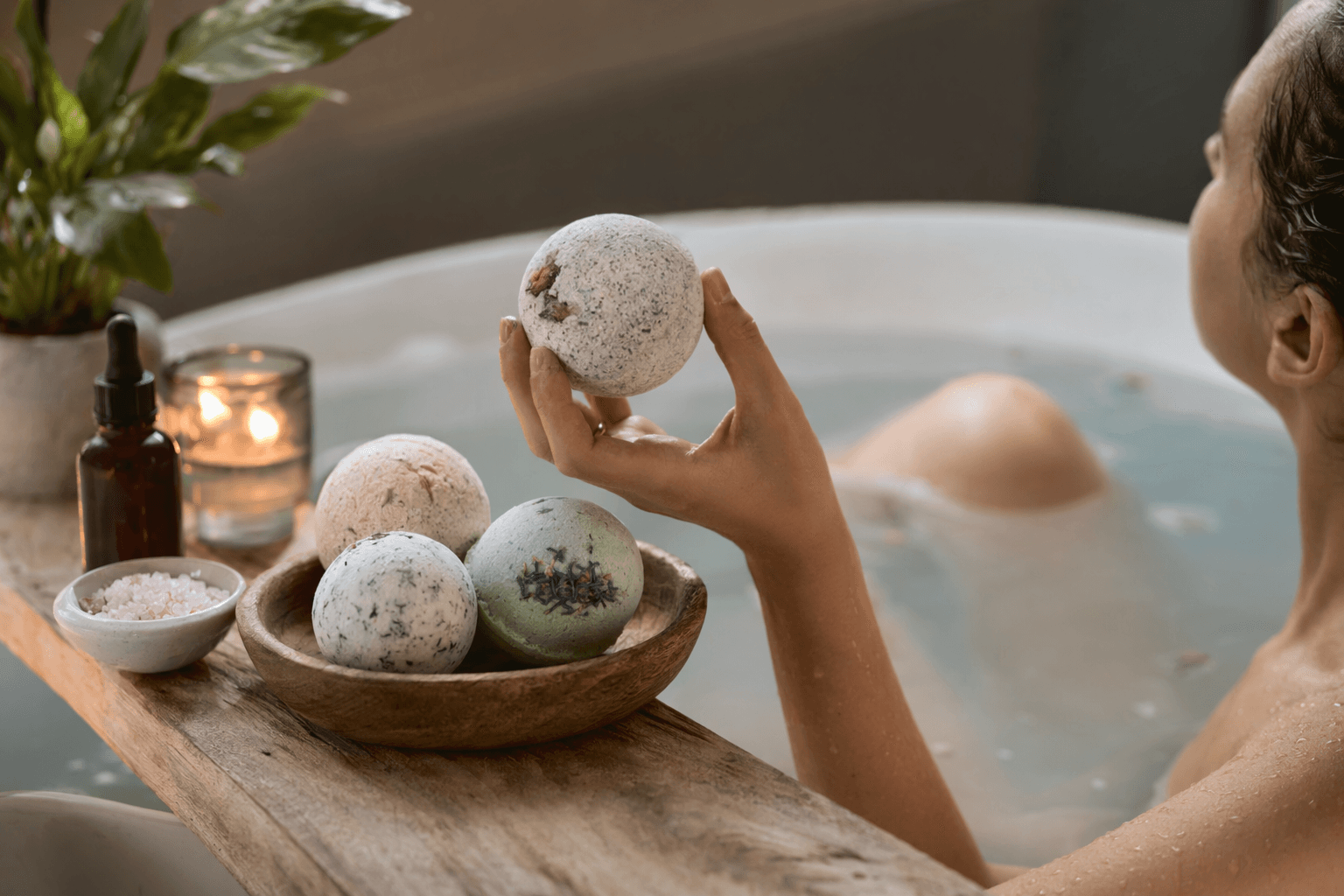
Bath bombs have stayed relevant because they solve a simple problem well: they turn an ordinary soak into something that feels intentional, giftable and a little more luxurious. Calhoun Farmstead frames them as one of the easiest ways to turn a basic bath into a spa-like experience, and that basic promise still explains why the category keeps growing across self-care shelves and gift sets.
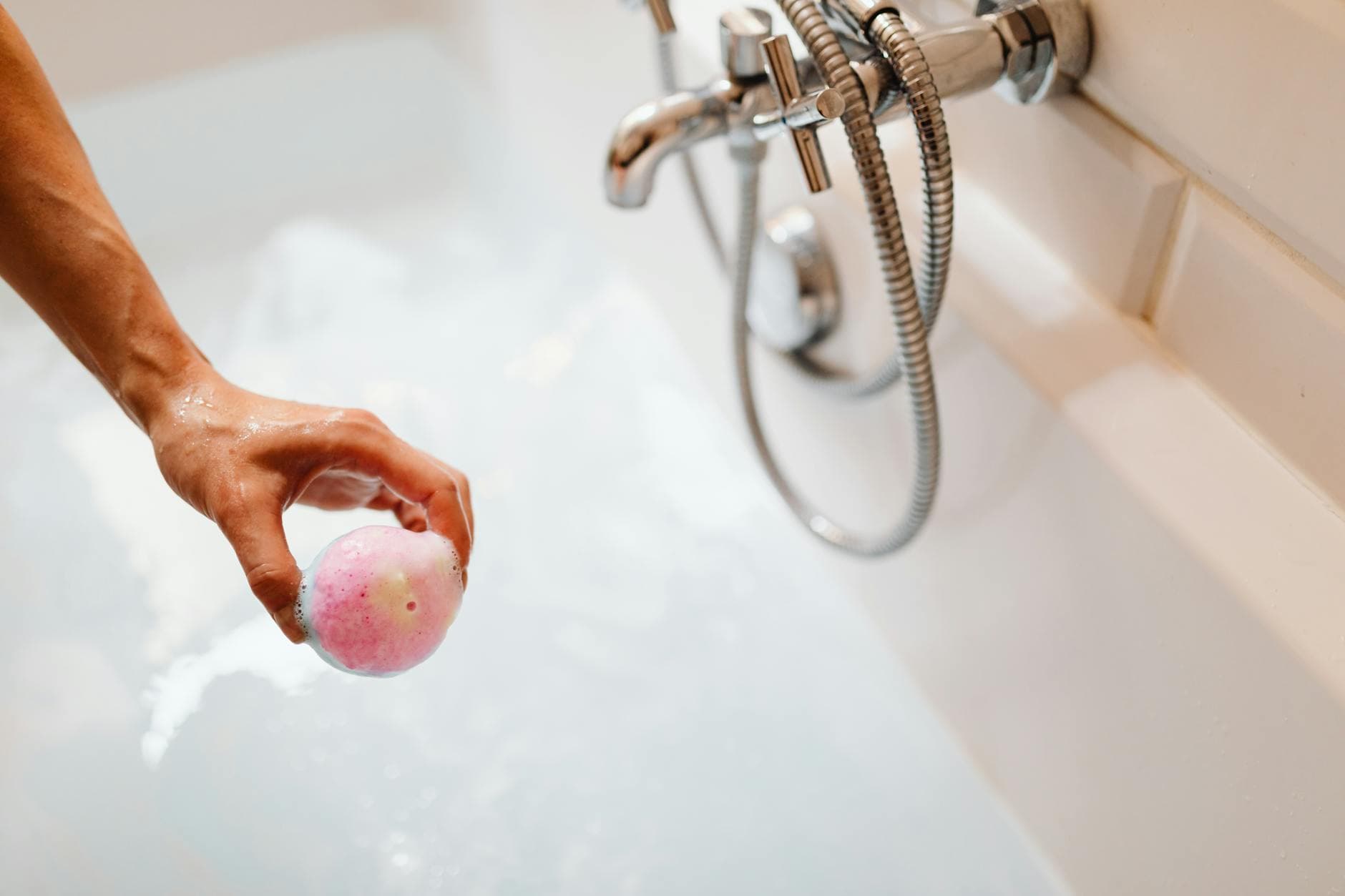
The practical appeal is straightforward. Bath bombs fizz and dissolve in water, releasing fragrance and skin-loving ingredients while creating a relaxing atmosphere. They are not medical treatment, and they should not be sold that way, but a warm bath can make muscle tension feel easier to manage simply because the whole routine slows everything down. That is the difference between a marketing pitch and useful advice: the real value is comfort, scent and the experience of soaking, not a cure-all claim.
Why the category keeps expanding
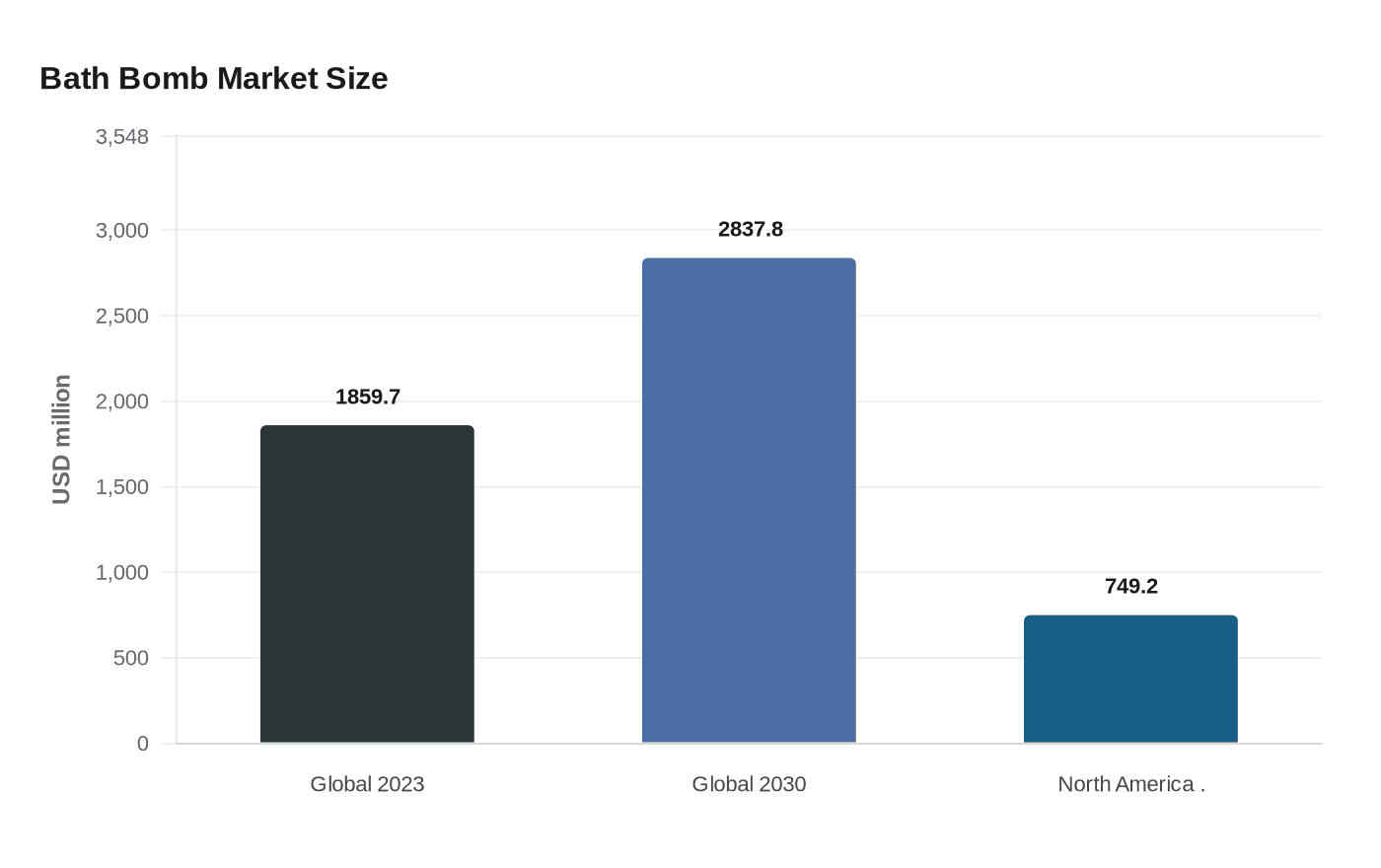
The market numbers back up what shoppers already see in stores and online. Grand View Research estimated the global bath bomb market at USD 1,859.7 million in 2023 and projected it to reach USD 2,837.8 million by 2030. Its North America outlook also points to continued growth, with the regional market projected to reach USD 749.2 million by 2030.
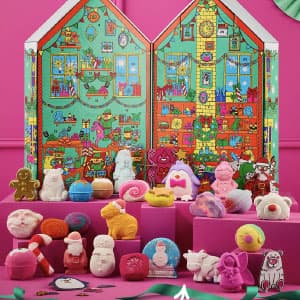
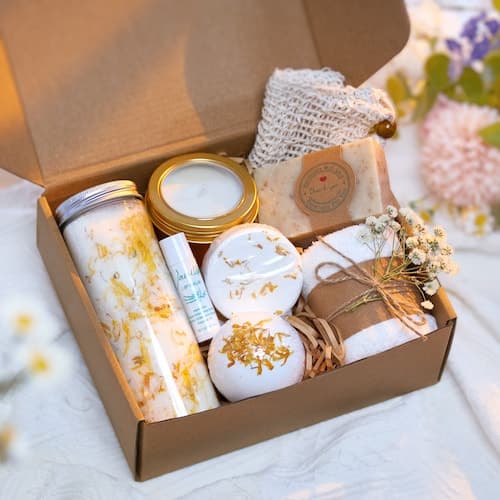
That growth makes sense because bath bombs sit at the intersection of self-care and gifting. They are easy to buy, easy to wrap and easy to slot into birthdays, Mother’s Day baskets or self-care bundles. Calhoun Farmstead’s own handcrafted line leans into that, with lavender, heart-shaped and botanical styles that signal both routine use and present-ready packaging.
The wider story is that bath bombs have moved well beyond novelty status. Lush says co-founder Mo Constantine invented the first bath bomb in 1989 in Dorset, England, and the brand says it has since created more than 400 to 500 designs and sold more than 300 million bath bombs globally. Those numbers show a product that has gone from a clever idea to a full-scale consumer category.
What matters most for sensitive skin
This is where bath bomb shopping gets more serious. If skin is reactive, ingredient simplicity matters more than packaging, color or a big perfume blast. The American Academy of Dermatology says eczema can make skin itchy, raw and sensitive, and that many products touching the skin can trigger flare-ups. Its guidance is clear: fragrance-free products are generally better for eczema-prone skin.
That advice is the filter to use when sorting through bath bombs. Heavy fragrance, bright dyes and crowded ingredient lists may look fun, but they are often the fastest way to miss the mark for sensitive users. For a gift, that means choosing a calmer formula instead of the loudest scent profile on the shelf. For your own bath, it means reading beyond the label promises and paying attention to what is actually in the water.
A sensible approach for eczema-prone skin looks like this:
- Choose fragrance-free or very lightly scented options when possible.
- Start with simpler formulas rather than layered blends with multiple extras.
- Test carefully before making bath bombs part of a regular routine.
- Moisturize after bathing, which the American Academy of Dermatology recommends for eczema care.
That last point matters because the bath itself is only part of the equation. A gentle soak followed by moisturizing is more likely to support comfort than a highly perfumed bomb that leaves skin irritated.
CBD, pregnancy and the line bath bombs should not cross
One of the clearest safety messages in the category involves CBD. The U.S. Food and Drug Administration strongly advises against using CBD, THC or marijuana in any form during pregnancy or while breastfeeding. That warning is especially important because bath products can be marketed with wellness language that sounds soothing without making the risks obvious.
The practical takeaway is simple: if pregnancy is part of the picture, skip CBD bath bombs entirely. Calhoun Farmstead points readers toward non-CBD alternatives such as lavender or botanical bath bombs for anyone who still wants a calming soak. That is the smarter path for shoppers who want relaxation without bringing a limited-research ingredient into the bath.
This is also where product labels deserve a closer read. A bomb can look “natural” or “relaxing” without being the right choice for pregnancy or nursing. The safest move is to lean on uncomplicated options with familiar calming scents rather than assume that all wellness ingredients are equally appropriate.
How to choose the right bath bomb for the job
The best bath bomb is not the one with the biggest claim. It is the one that matches the skin, the occasion and the level of fragrance the bather can tolerate. Calhoun Farmstead’s mix of lavender, heart-shaped and botanical designs shows how wide the category has become, from daily wind-down products to easy gifts that feel personal without being fussy.
For a quick decision guide, the split is simple:
- For everyday relaxation: choose a modestly scented bomb with a simple ingredient list.
- For sensitive skin or eczema-prone users: go fragrance-free if possible, or keep scent very light.
- For pregnancy or breastfeeding: avoid CBD, THC and marijuana-based products altogether.
- For gifting: look for attractive shapes and calming scents that feel thoughtful without being overpowering.
The best bath bombs deliver a clear, comfortable soak rather than a complicated promise. That is why the category keeps holding attention: it is easy to understand, easy to gift and easy to tailor to different skin needs when the formula is kept simple.
The bottom line for makers and buyers
Bath bombs are no longer a small novelty corner of the bath aisle. They are a mainstream wellness accessory with real staying power, driven by scent, presentation and the simple pleasure of a better soak. But the same feature that makes them appealing, the fragrance and fizz, can also make them a poor fit for sensitive skin if the formula gets too busy.
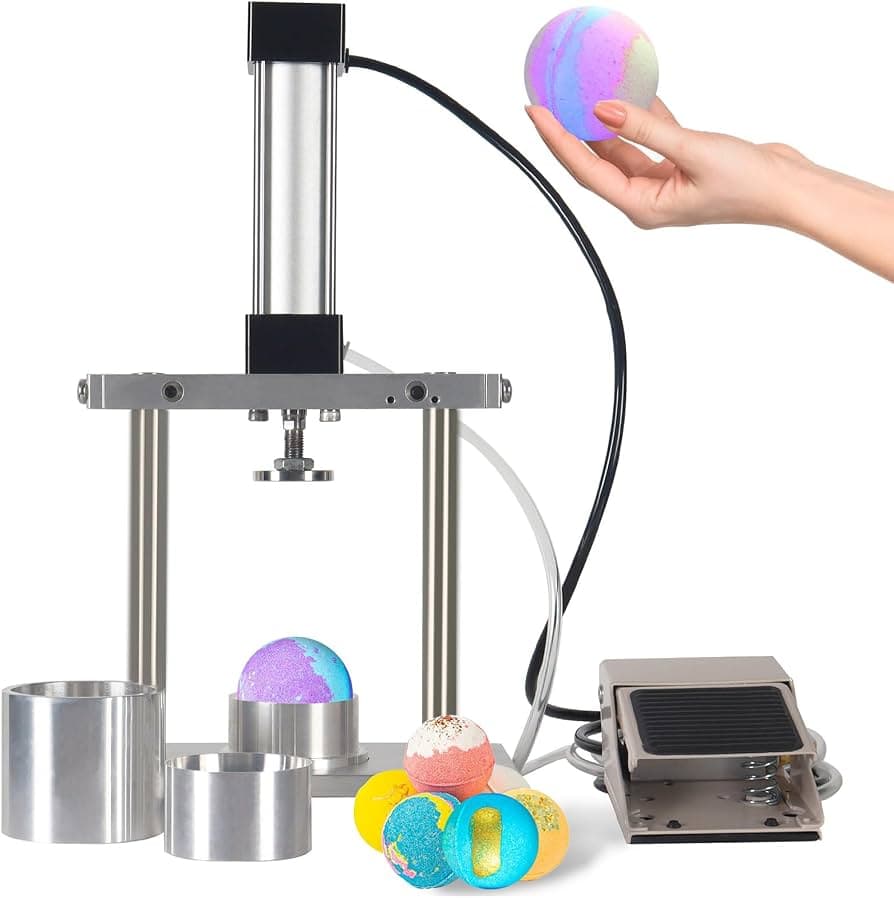
For makers, the winning formula is still the clean one: approachable scents, careful ingredient choices and gift-ready shapes. For buyers, the smartest purchase is the one that respects the skin first and the marketing second. In a category that keeps growing, the products most likely to last are the ones that feel good in the water and stay gentle on the body.
This article was produced by Prism’s automated news system from verified source data, official records, and press releases, then run through automated quality and moderation checks before publishing. The system is built and supervised by the people who set the standards it runs under. Read our full AI policy.
Did this article answer your question?