Bath bombs stay in demand as makers refine recipe and finish
Bath bombs still sell because the formula is simple, the finish matters, and a clean shell can turn one weekend batch into giftable stock.
Why bath bombs still pull their weight
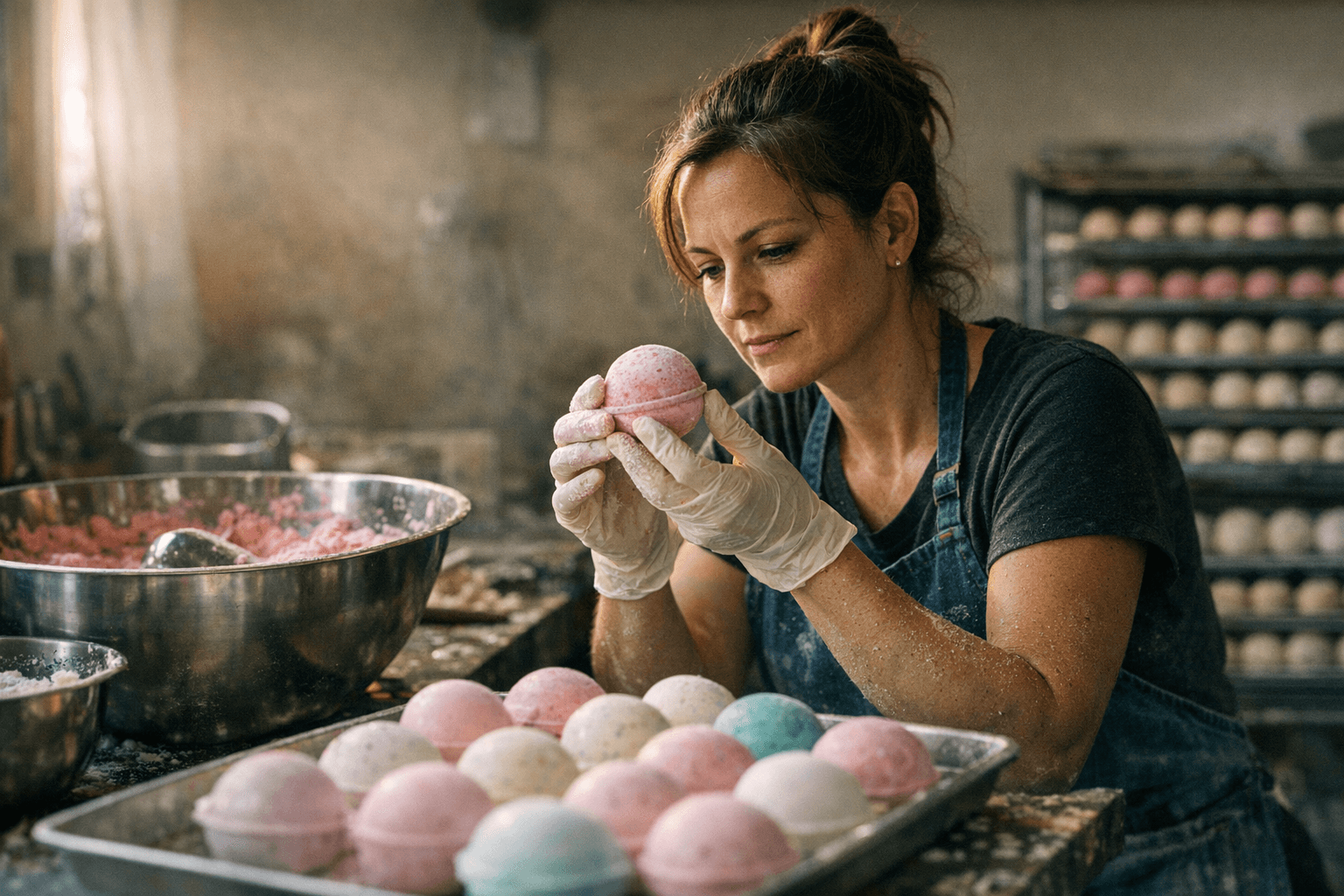
Bath bombs remain the easiest first serious make for anyone who wants something giftable, camera-ready, and fast to turn into stock. The appeal is practical, not just cute: a good bath bomb can be bundled, branded, and repeated without a huge setup, which is why the category still attracts hobby makers and small businesses chasing strong margins and repeat purchases.
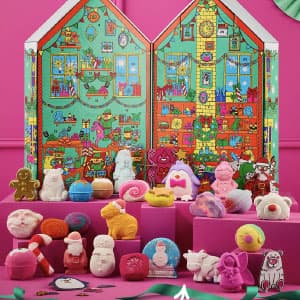
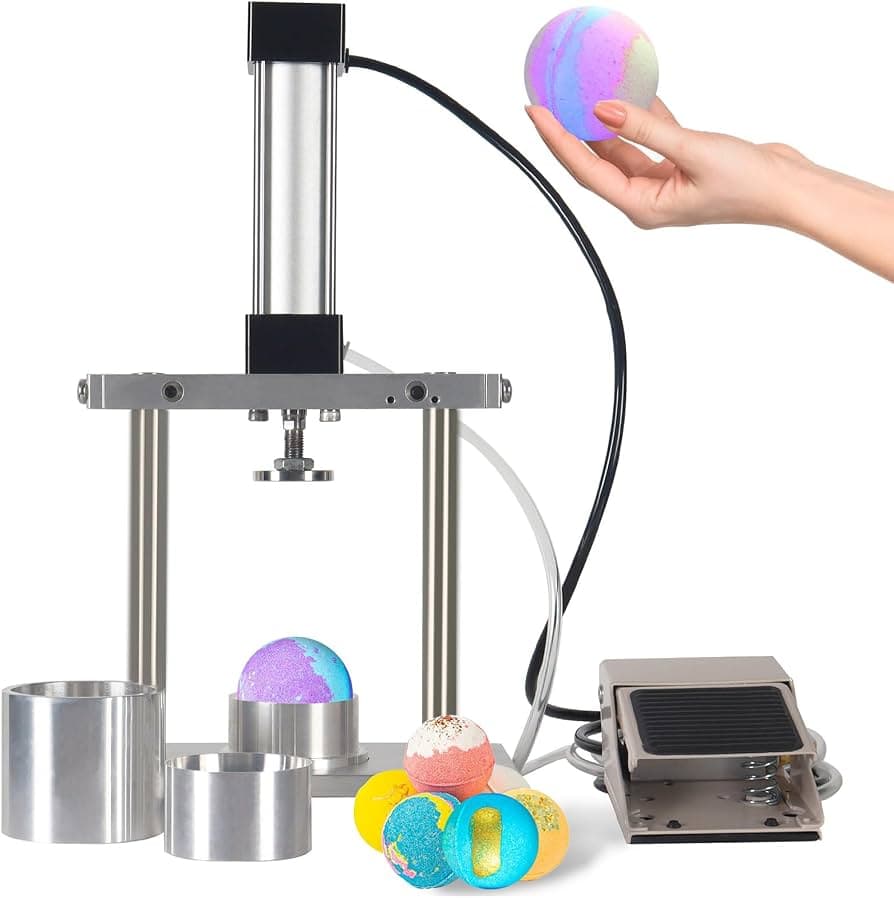
That staying power has roots in the original product story. Mo Constantine, co-founder of Lush, invented and patented the bath bomb in 1989 in a garden shed in Dorset, England, pressing citric acid, sodium bicarbonate, and essential oils into a small press. Lush says it was first awarded the trademark for bath bombs on April 27, 1990, and the company has spent decades turning that humble format into a global signature item.
The scale matters because it explains why makers keep coming back to this shape and scent-driven format. Cosmetics Business reported that Lush sold roughly 30,000 bath bombs in its first year in the United Kingdom in 1995 and now sells more than 20 million globally per year. That kind of volume tells you the category is not just a passing self-care trend. It is a durable product class with a wide audience and a familiar value proposition: one item, quick satisfaction, easy gifting.
What actually makes a bath bomb work
At the chemistry level, the whole thing is simpler than the retail packaging suggests. Sodium bicarbonate and citric acid sit there quietly until water starts the reaction and releases carbon dioxide, which creates the fizz people expect. Everything else in the formula exists to control that reaction, shape the finish, and decide whether the bomb feels premium or falls apart in your hands.
That is why the ratio story matters so much. Bath bombs are less about tossing ingredients together and more about keeping moisture under control so the mix binds without starting to react too early. Humidity is the enemy here: too much moisture can trigger cracks, soften the shell, or leave you with a bomb that looks fine in the mold and rough by the next day. The makers who get consistent results are the ones who treat the process like a small formulation job, not a kitchen accident.
Fragrance and color also separate a polished batch from a sloppy one. You want even scent release, color that looks bright without staining the tub, and a shell that stays hard instead of chalky or crumbly. That is where the commercial mindset comes in: a bath bomb that performs cleanly in the water is much easier to sell again.
The finish is where the product becomes giftable
A bath bomb can have the right chemistry and still look amateur if the surface is dull, cracked, or dusty. The pieces that make it feel retail-ready are all about control: firm packing, smooth molding, careful drying, and a finish that looks intentional in a gift box or on camera. This is where a lot of beginners leave money on the table, because the market rewards visual polish as much as scent.
A few details matter more than flashy add-ons:
- Pack the mold firmly so the shell comes out smooth rather than lumpy.
- Keep moisture low while mixing and drying, because a damp room can undo everything fast.
- Use just enough fragrance to carry in the bath without overpowering the blend.
- Aim for a hard, clean shell that does not crumble when handled or wrapped.
- Think about the tub as part of the product, not an afterthought, because a clean rinse is part of the customer experience.
For makers who care about bath-ring staining, Polysorbate 80 is one of the most useful practical tools in the mix. It helps disperse oils and colorants in water, which can reduce the greasy ring or color smear that turns an otherwise nice bath into a complaint. That makes it especially useful when the goal is not just a pleasant soak, but something you can confidently put under a brand name.
Why the category still has room to grow
The business case is still strong, and the market data backs that up. Grand View Research estimated the global bath bomb market at USD 1,859.7 million in 2023 and projected it to reach USD 2,837.8 million by 2030. GMI Insights was in the same neighborhood, estimating USD 1.38 billion in 2024 and forecasting growth to USD 2.49 billion by 2034. Different models, same message: this is a real market with room left in it.
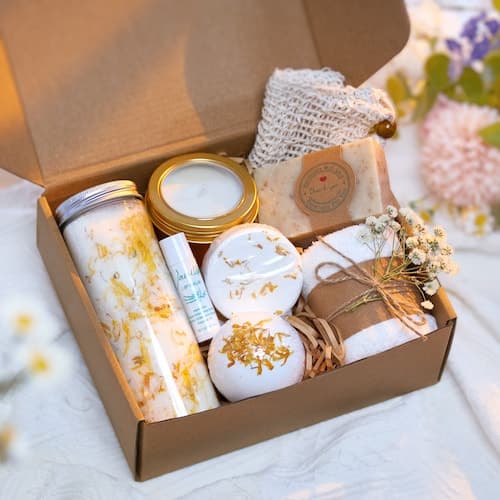
The drivers are easy to see. Bath bombs are highly giftable, customizable, and attractive on camera, which makes them easy to market in bundles, seasonal collections, and branded lines. They also fit neatly into the broader self-care and premium gifting habits that keep shoppers reaching for small, sensory products instead of plain soap.
What the U.S. rules mean for makers
In the United States, bath bombs are cosmetics, which means they are not casual crafts once they move beyond personal use. The U.S. Food and Drug Administration requires truthful, non-misleading labeling, and that is not a side note when scent, color, and skin feel are part of the selling point. If you are selling, you need to think about what is in the product and how it is presented.
MoCRA raised the stakes further. The FDA says the Modernization of Cosmetics Regulation Act of 2022 is the most significant expansion of its authority over cosmetics since the FD&C Act of 1938. Manufacturers and processors generally must register cosmetic facilities and renew that registration every two years, unless an exemption applies, and the agency notes that some small businesses are exempt from certain registration and listing requirements, though not in every case.
Fragrance deserves special caution, because the FDA flags it as a real issue for some consumers. That matters in bath bombs more than in many other cosmetics, because scent is often the headline feature. The FDA also notes that people use 6 to 12 cosmetics products daily on average, which is a reminder that even a “fun” product sits inside a much broader safety and labeling system.
The weekend maker’s takeaway
If you want the shortest path to a sellable bath bomb, focus on the unglamorous parts first: moisture control, a solid shell, a tub-friendly finish, and packaging that makes the product look intentional. The category still rewards makers who understand that the magic is not just the fizz. It is the repeatable, clean, professional result that survives handling, photographs well, and leaves the bath looking as good as it smells.
This article was produced by Prism’s automated news system from verified source data, official records, and press releases, then run through automated quality and moderation checks before publishing. The system is built and supervised by the people who set the standards it runs under. Read our full AI policy.
Did this article answer your question?