Bath Steamers 101: What They Are and How to Use Them Right
Bath steamers aren't bath bombs — and once you know the difference, you'll never mix them up again.
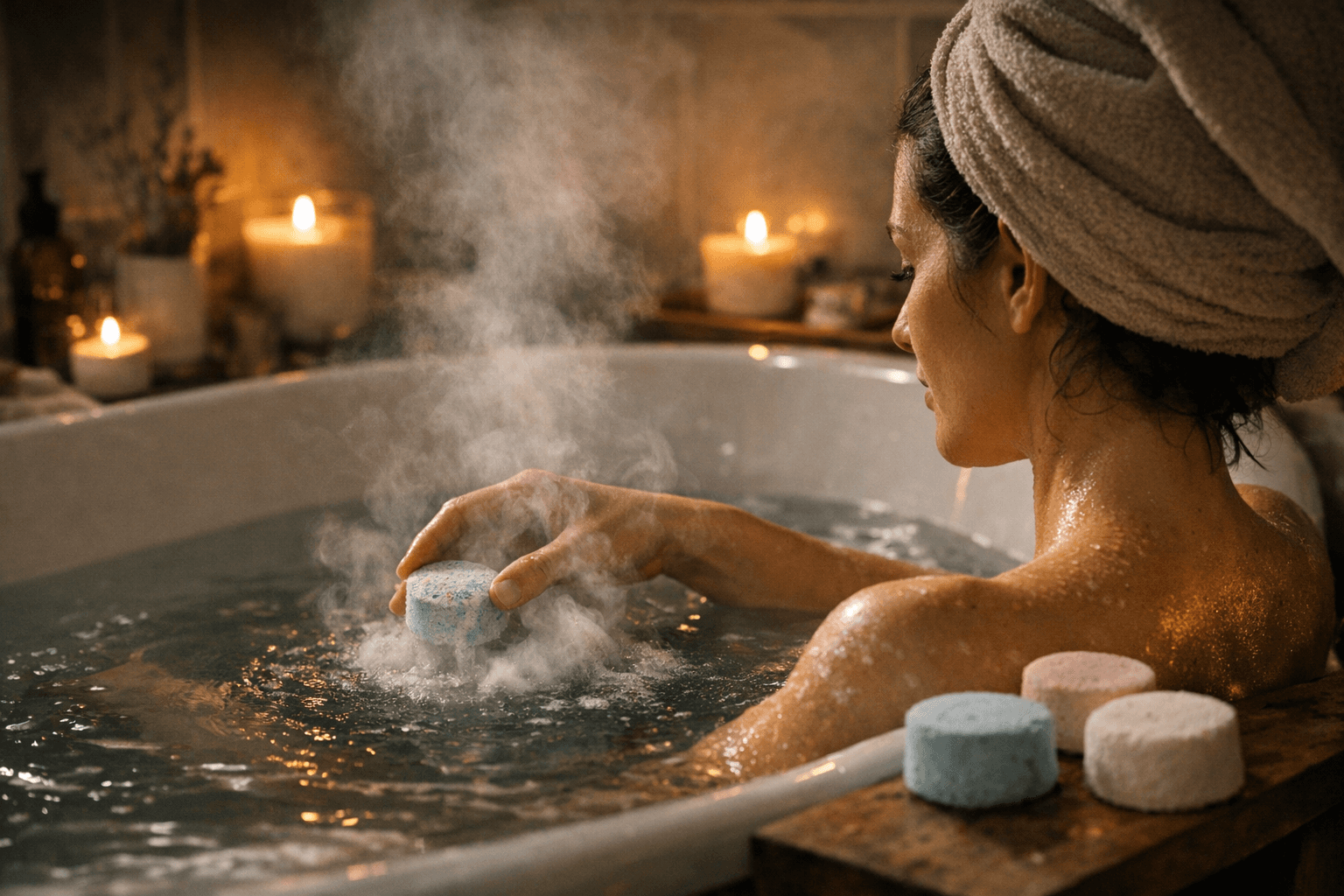
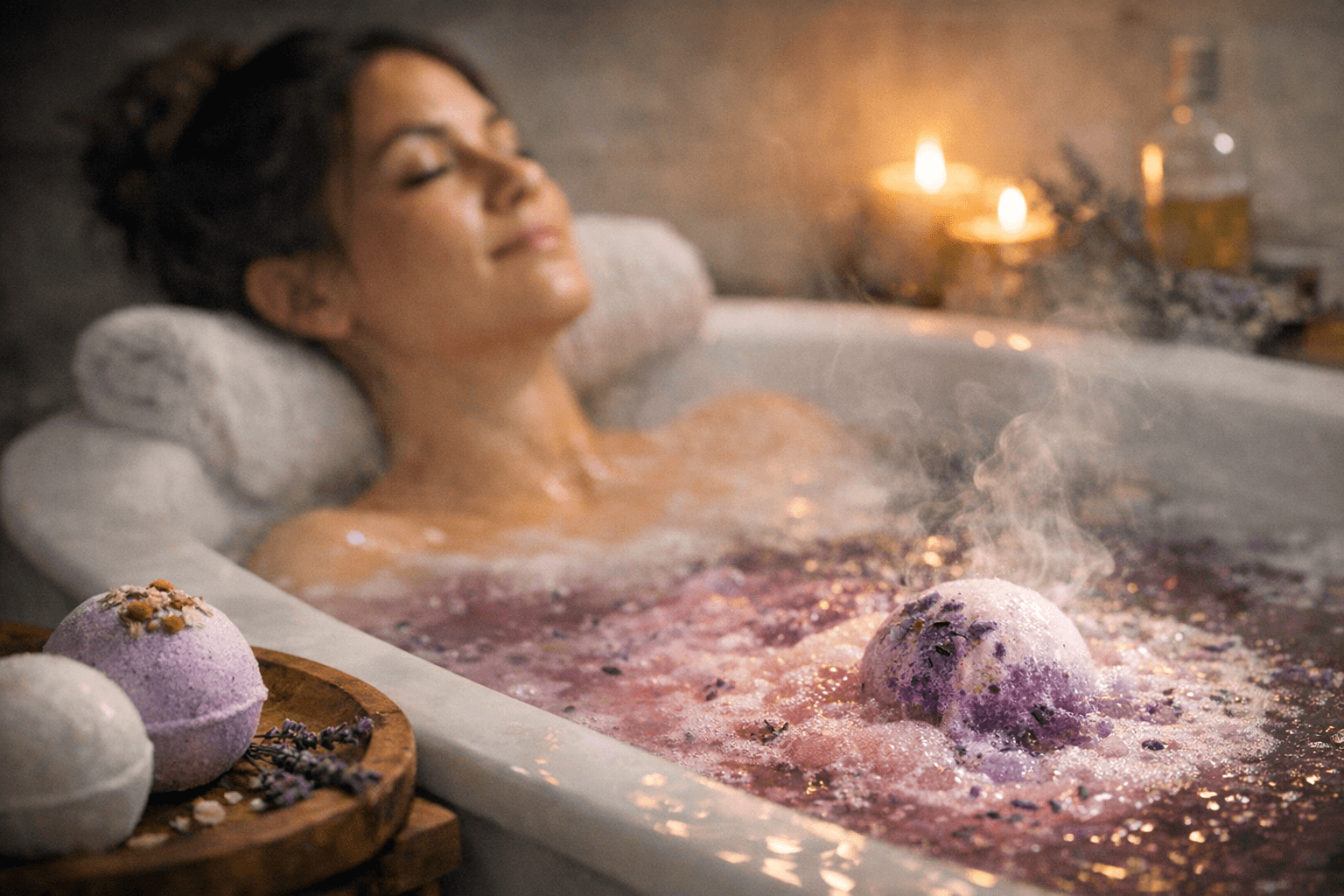
If you've ever dropped what looked like a bath bomb into a dry shower floor and wondered why nothing spectacular happened, you've already discovered the core truth about bath steamers: they play by different rules. While bath bombs dissolve in a full tub and deliver their magic through soaking, bath steamers are designed for the shower, activated by steam and the occasional splash of water rather than full submersion. They're a distinct category, and treating them like one of your fizzy tub companions is the fastest way to waste a good product.
What a Bath Steamer Actually Is
A bath steamer, sometimes called a shower steamer or shower melt, is a compressed tablet formulated to release fragrance, essential oils, and often menthol or eucalyptus when it comes into contact with steam and small amounts of water. Unlike a bath bomb, which needs to dissolve completely in a full tub of water to deliver its skin-conditioning ingredients, a bath steamer is built for aromatherapy first. The experience is closer to a spa steam room than a bubble bath: you're inhaling the benefits, not soaking in them.
The formulation reflects this difference. Bath steamers typically contain a higher concentration of essential oils than bath bombs, because the goal is vapor diffusion into the air around you. They also tend to skip the butters, oils, and skin-conditioning agents that make bath bombs so nourishing, since there's no prolonged skin contact. What you get instead is an intensified aromatic hit that can clear sinuses, ease tension, or simply make a Tuesday morning shower feel like something worth getting out of bed for.
How to Use One Correctly
Placement matters more than most people realize. The steamer should go on the floor of your shower, but not directly under the spray. You want it close enough to get splashed and activate, but not so close that it dissolves in seconds under full water pressure. A corner spot near the drain tends to work well: it catches runoff without getting blasted.
Here's a simple sequence to get the most out of your steamer:
1. Start your shower and let the water heat up fully before stepping in. You want the steam already building before the steamer activates.
2. Place the steamer on the shower floor away from the direct stream of water, closer to the wall or in a corner.
3. Step in and let the steam do the work. Breathe deeply. The essential oils will diffuse into the air as the tablet slowly dissolves.
4. If the scent feels weak, flick a little water toward the steamer with your foot to reactivate it.
5. Leave it in place until it fully dissolves, which typically takes the length of a normal shower, roughly 8 to 15 minutes depending on the formula and how much water reaches it.
One thing to keep in mind: the floor can get slippery as the steamer dissolves and releases its oils. This isn't a dealbreaker, but it's worth knowing before you're doing a surprise split at 7 a.m.
Bath Steamers vs. Bath Bombs: Clearing Up the Confusion
The two products look similar on a shelf, and plenty of makers sell both under the same brand, which adds to the confusion. But their purposes, formulations, and ideal use cases are genuinely different, and understanding that distinction helps you shop smarter.
- Bath bombs: designed for full tub submersion, skin-conditioning ingredients like butters and oils, lower essential oil concentration, fizzing is the main event
- Bath steamers: designed for the shower floor, aromatherapy-focused, higher essential oil load, dissolution is gradual and steam-triggered
If a product is marketed for "shower use" and contains menthol, eucalyptus, or peppermint at a prominent level, it's almost certainly a steamer. Those ingredients are irritating if you actually soak in them, which is another reason the two categories stay separated in serious bath and body circles.
Choosing the Right Steamer for Your Shower
Not all steamers are created equal, and the main variables are essential oil quality, binder ingredients, and how long the tablet holds together. A steamer that dissolves too fast won't give you a full shower's worth of fragrance. One that's too hard and dense might sit there looking decorative without releasing much scent at all.
Fragrance profiles to look for, depending on what you're after:
- Eucalyptus and peppermint: classic decongestant combination, ideal when you're sick or your sinuses are staging a protest
- Lavender: wind-down option, better for evening showers or when you need to take the edge off a stressful day
- Citrus blends (grapefruit, orange, lemon): energizing, good for morning routines
- Eucalyptus and spearmint together: a popular middle ground between energizing and calming, common in spa-style formulations
If you're making your own at home, the basic ratio to work with is baking soda and citric acid as your fizzing base, with a binding agent like cornstarch or clay to slow the dissolution rate, and your essential oil blend added at a higher percentage than you'd use in a bath bomb. Many makers in the DIY bath community add a small amount of menthol crystals regardless of the main scent, because menthol enhances the perception of steam and makes the aromatherapy effect feel more immediate.
Storage Tips That Actually Make a Difference
Bath steamers are humidity-sensitive in a way that catches new makers and buyers off guard. Store them in a bathroom cabinet and they'll start fizzing prematurely from ambient moisture. The fix is straightforward: keep them in a sealed container or zip-lock bag, ideally somewhere outside the bathroom until you're ready to use one. A bedside table, a linen closet shelf, or even a kitchen drawer all work better than the shower shelf you might instinctively reach for.
If you're gifting steamers or selling them at a craft fair, individual shrink-wrap or heat-sealed cellophane is the standard in the community for a reason. It protects the product and signals that the maker understands humidity is the enemy.
The bath steamer category has grown steadily as more people look for spa-quality experiences in everyday routines without the commitment of running a full bath. Once you've used one correctly, the appeal is obvious: it's five minutes of eucalyptus fog and mint-scented steam before you've even had coffee, and that's a hard thing to give up.
Know something we missed? Have a correction or additional information?
Submit a Tip