Beginner's Guide to Making Bath Bombs at Home
Learn the essentials to craft fizzy, fragrant bath bombs with simple ingredients, reliable techniques, and safety-minded labeling. This guide walks you step-by-step through ingredients, mixing, molding, curing, troubleshooting, and when to scale up to a manufacturer.

1. Why make bath bombs at home and why it matters to your community
Making bath bombs is an accessible creative project that blends self-care, craft, and small-scale entrepreneurship. You can tailor scents, ingredients, and aesthetics to friends, local markets, or workshops; sharing batches builds community connections and offers a low-barrier product for local makers' tables and online micro-brands. Knowing basic DIY techniques also helps you evaluate claims and quality when buying from small sellers.
2. Primary ingredients and their roles
A reliable bath bomb base uses baking soda (sodium bicarbonate) and citric acid as the fizzing core; these react in water to produce bubbles and effervescence. Typical binders and texture modifiers include Epsom salt for muscle relief and corn starch to slow fizz and provide a smooth, dry feel; common beginner ratios are around 2:1 dry soda to citric acid with small amounts of salts and starch to taste and performance. Measure carefully, weight-based recipes give consistent results for repeatable batches.
3. Carrier oils and essential oil fragrance options
Carrier oils add skin-conditioning benefits and help the mixture bind; light oils such as fractionated coconut oil, sweet almond oil, or jojoba work well without leaving heavy residue. Essential oils deliver scent, lavender, eucalyptus, lemon, and bergamot are popular for their strong, recognizable profiles, but always dilute to safe concentrations (commonly 0.5–2% of the total formula depending on the oil and target audience). Patch-test new blends on yourself or volunteers and note any fragrance allergies before selling.
4. Colorants and additive recommendations
Use colorants designed for bath products, mica powders, oxide pigments, and water-dispersible FD&C or D&C colors, because oil-based cosmetics dyes can misbehave in bathwater. Natural colorings like clays and spirulina are gentle but produce muted hues; botanicals such as dried rose petals or calendula add visual appeal but can float and clog drains. Avoid cosmetic glitters that aren’t biodegradable if you’re selling to environmentally conscious customers; polyester glitters can harm waterways.
5. Mixing, moisture control, and preventing premature fizz
Moisture is the enemy of bath-bomb stability; work in a low-humidity room and use small spray bottles to add liquid slowly when binding the mix. Combine dry ingredients thoroughly first, then blend oils and fragrance into the smallest possible volume; add carrier oil and essential oils sparingly and use a mist of witch hazel or rubbing alcohol to bring the mix to a sand-like consistency without activating fizz. Test by squeezing a small handful, if it holds shape, it’s ready to press; if it crumbles, add a light mist and mix again.
6. Molding and shaping techniques
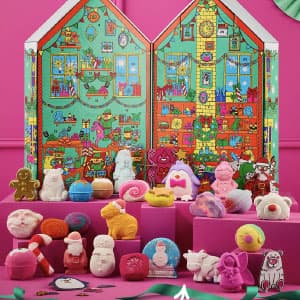
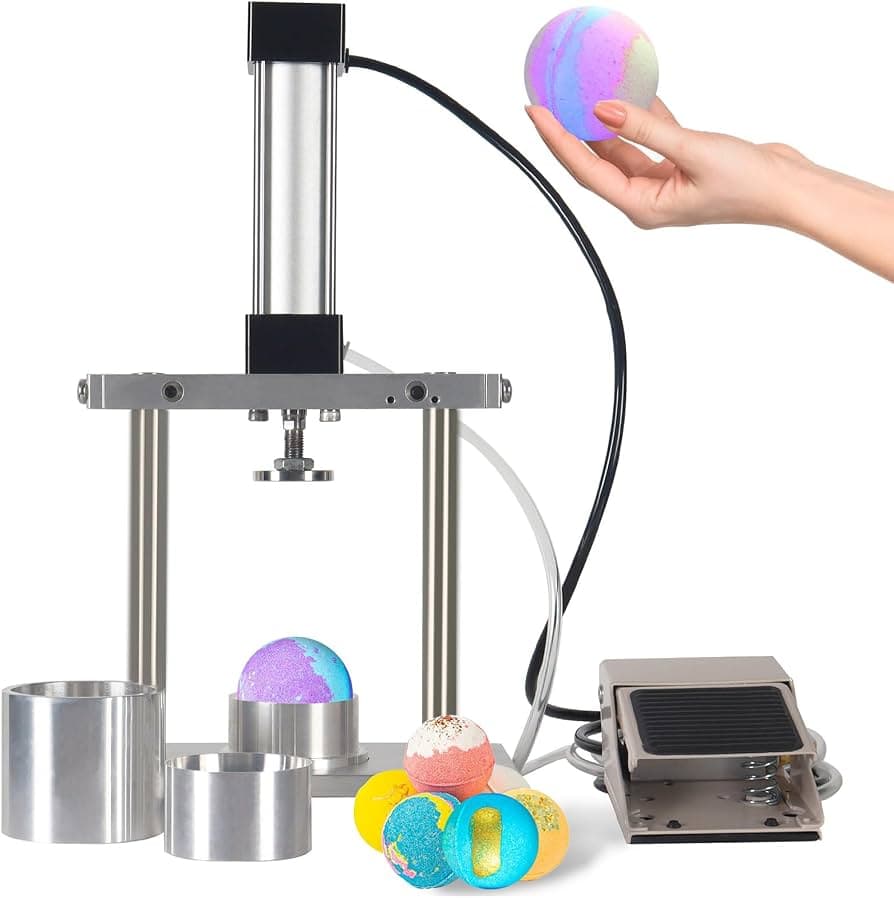
Molds range from two-piece sphere molds to silicone shapes and reusable plastic presses, choose molds that demold cleanly and match your aesthetic goals. Firmly pack the mixture into each half (for spheres) or into the mold cavity, overfilling slightly, then press together and tap gently to release air pockets; for single-piece molds, compact well and let settle. For layered or marble effects, alternate colors quickly and press to avoid premature drying between layers.
7. Curing, drying, and storage recommendations
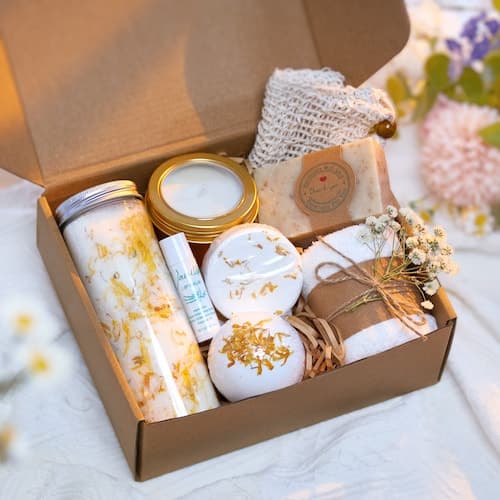
Allow bath bombs to cure undisturbed for at least 24–72 hours depending on size and humidity; larger or more oily bombs may need longer to harden completely. Cure on a flat, dry surface away from direct sunlight and store finished bombs in airtight containers or wrap them individually to protect fragrance and prevent humidity uptake. Label storage with production date and suggested shelf-life (commonly 6–12 months for optimal fragrance and performance).
8. Basic safety, allergen guidance, and labeling for small-scale sellers
List full ingredient declarations on packaging using INCI names when possible, and highlight potential allergens (nuts, citrus, etc.). Avoid making health claims (e.g., “treats eczema”) unless you have supporting testing and compliance; keep directions for use and warnings (e.g., “for external use only,” “avoid contact with eyes”) visible. For sellers, maintain batch records, note fragrance percentages, and consider simple stability checks to estimate shelf-life for customer transparency.
9. Troubleshooting common problems and fixes
If bombs are crumbly, you likely under-added binder or moisture, re-mix and add a fine mist of liquid binder such as witch hazel until the mix holds shape; if they’re soft after curing, increase drying time or reduce carrier oil in the formula. Premature fizz during mixing signals too much moisture or humid conditions, work faster, lower humidity, and sift in dry ingredients to rebalance. Discoloration or mottling often comes from uneven mixing or incompatible colorants; remix and test small batches before scaling.
10. When and how to scale up: manufacturing and private-label options
If demand outgrows your kitchen, consider partnering with an experienced OEM/ODM to handle large batches, compliance, and packaging; established manufacturers can help with automated lines, formula stability, and regulatory guidance. For makers interested in scaling, companies with 30+ years in production often offer private-label services and can advise on labeling, safety testing, and volume pricing, partnering lets you preserve your brand while avoiding costly facility upgrades. • Tip: keep your core recipe and small-batch variations documented so any partner can reproduce your signature product reliably.
Final thought: Start small, test often, and keep notes. With simple, safe ingredients and attention to moisture, you can make beautiful bath bombs that delight friends and customers while learning the fundamentals that prepare you to scale responsibly.
This article was produced by Prism’s automated news system from verified source data, official records, and press releases, then run through automated quality and moderation checks before publishing. The system is built and supervised by the people who set the standards it runs under. Read our full AI policy.
Did this article answer your question?