Best bath-bomb molds for hobbyists and small-batch makers
Learn the top mold types, what matters when choosing them, and practical buying tips so you can make consistent, shelf-ready bath bombs at home.

1. Metal press molds and heavier-duty press-style tools
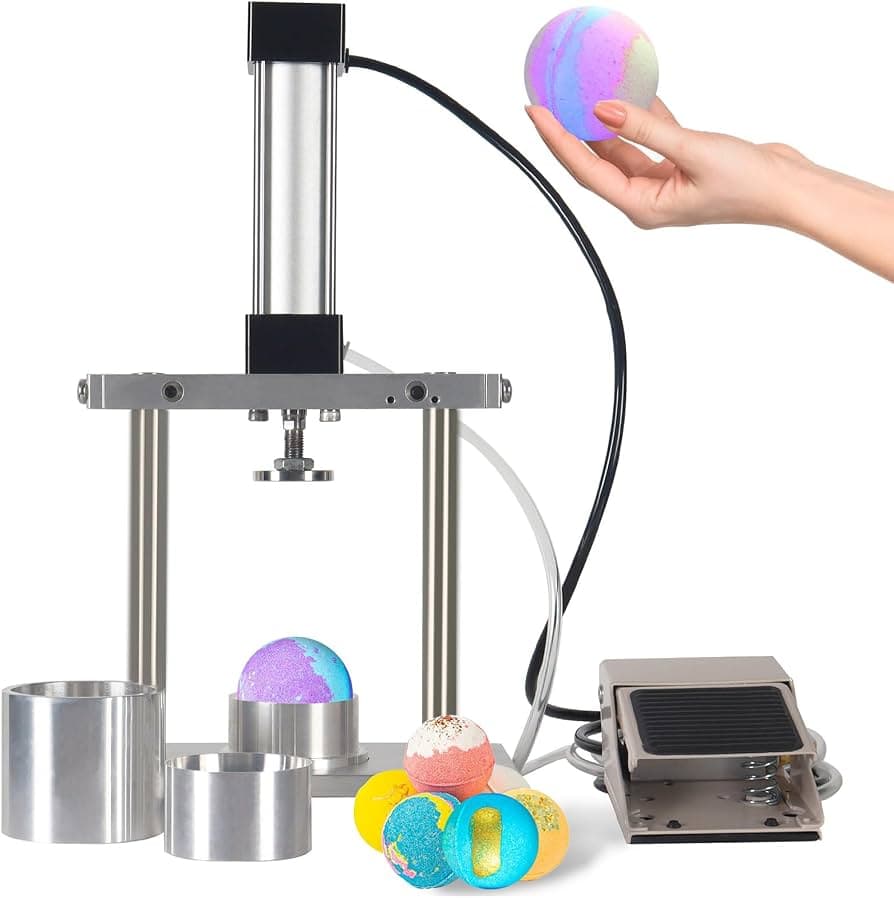
Metal press molds and heavier-duty press-style tools are the top pick when you want consistent, repeatable bath bombs that hold up to small-batch production. These presses compress mixture more tightly than hand-packed molds, reducing crumbling and producing a uniform finish that speeds up packaging and selling. Expect better shape fidelity and fewer cracked bombs, which matters if you sell at markets or share samples with local stores. Typical prices range from mid-tier hobby tools to pro-level presses, so budget for quality if you need repeatability.
2. Stainless and other metal options for a uniform finish
Stainless and other metal molds deliver a smoother, more professional surface than many plastics, making your creations photo-ready with minimal sanding or prep. Metal conducts pressure consistently and is often more durable for repeated use, lowering replacement costs over time and helping you maintain a consistent product line. If your goal is uniformity, especially for gift sets or subscription boxes, spend toward a stainless option rather than a cheap disposable set. Expect stainless prices to be higher, but the return is in less waste and more uniform batches.
3. Multi-shape silicone molds for variety and creative designs
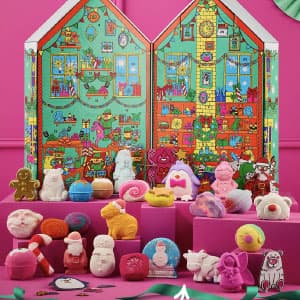
Multi-shape silicone molds are ideal when you want playful shapes, textured details, or quick experimentation without heavy equipment. Silicone releases easily, so you can demold delicate designs with less crumbling and less need for coating agents, making them great for seasonal or themed runs. They’re lightweight and compact for workshops and community crafting nights, and usually priced affordably for trying multiple shapes before committing to metal. Keep in mind silicone can stretch or warp with very large bombs, so match mold size to your formula.
4. Plastic sphere mold sets as low-cost starter options
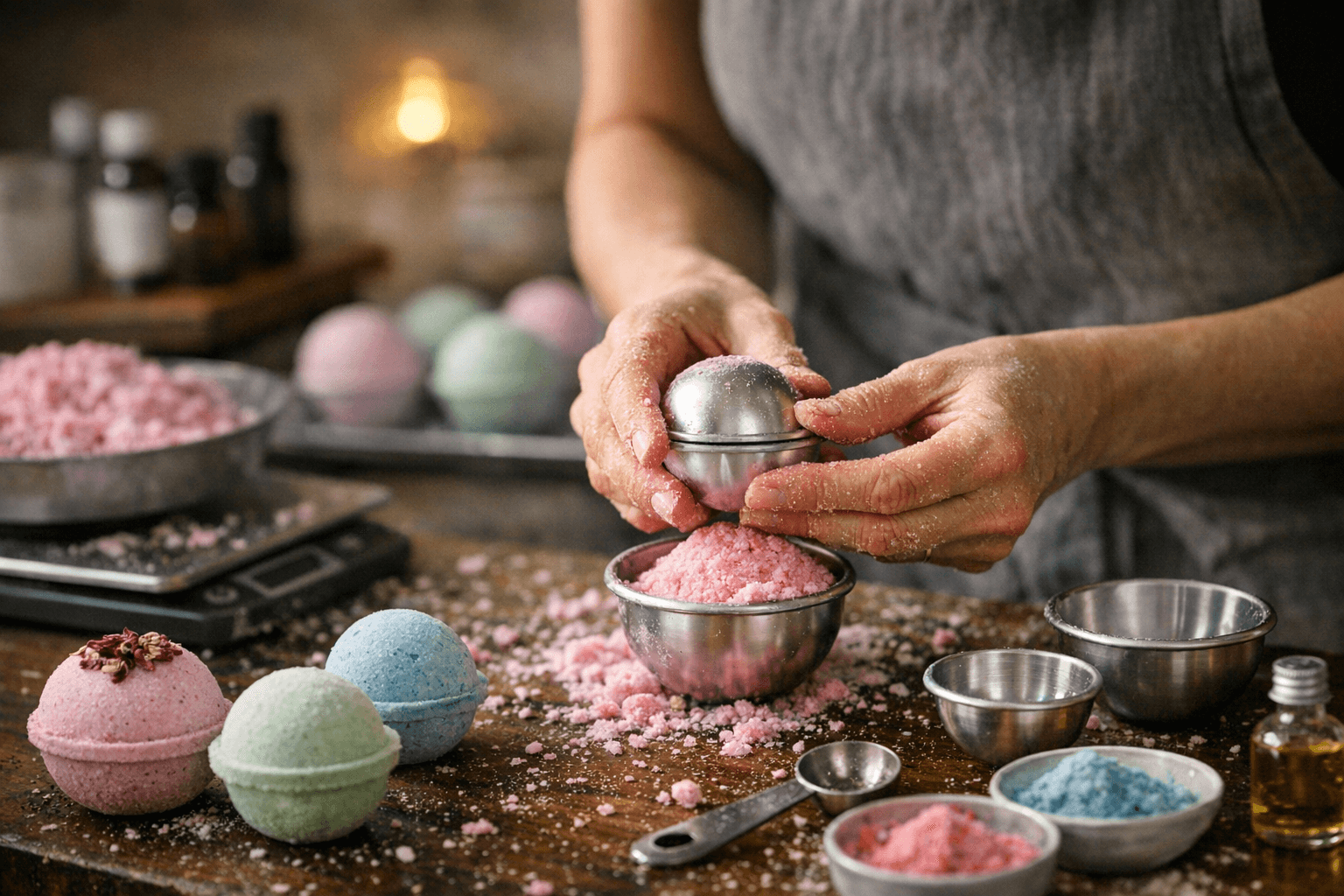
Plastic sphere mold sets are the go-to for beginners testing recipes or making gifts without a big upfront cost. They’re cheap, widely available, and do the job for single-use or small batches, but they can be inconsistent in release and often need a gentle touch when packing and demolding. If you’re teaching a class or running a pop-up table, bringing a few spare molds is smart, plastic warps faster and shows wear. Typical price ranges are very accessible, often under $20 for multi-packs, making them perfect for practice and learning.
- Durability, metal and thick silicone last longer under repeated use.
- Ease of release, silicone and well-finished metal reduce demolding failures.
- Shape fidelity, detailed molds hold fine patterns better; presses lock in detail.
- Size options, offering multiple sizes helps you create singles, minis, and gift sets.
5. Key selection criteria: durability, ease of release, shape fidelity, and size options
When choosing a mold, prioritize factors that matter to your workflow and customer expectations:
These practical checks save time and frustration during production and keep return rates low if you’re selling locally or online.
6. How the rankings were determined: algorithmic aggregation and practical metrics
The ranking methodology blends algorithmic aggregation of customer reviews with pricing and merchant factors to highlight molds that deliver real-world value. That means the picks aren’t just popular; they balance user satisfaction, affordability, and merchant reliability, useful if you prefer buying from sellers with consistent shipping and support. For you, this translates into mold recommendations that reflect both hands-on satisfaction and sensible business choices for small-batch makers.
7. Pros, cons, and typical price ranges for each category
Breaking down the trade-offs helps you match budget to goals: plastic sphere sets are low-cost (often under $20) but less durable; silicone multi-shape sets are moderate ($10–$40) with easy release and variety; entry-level metal press molds start in the mid-range ($30–$80) and pro stainless press tools can exceed $100 for commercial-grade consistency. The pro tip: invest in metal for volume, pick silicone for design testing, and use plastic only while prototyping recipes.
8. Practical buying advice for hobbyists and small-batch makers
Buy with your workflow in mind: if you plan weekend markets, choose tools that cut down post-mold finishing; if you rotate seasonal designs, pick a mix of silicone and easy-release plastic. Consider spare parts, consistent merchant availability, and how easy a tool is to clean, those small choices reduce downtime and batch loss. Also factor in storage: molds that stack or nest save workspace in a shared studio or community craft room.
9. Community relevance and how molds fit into local craft economies
Mold choice affects pricing, presentation, and brand identity at markets and online: consistent finishes and shape fidelity make it easier to build a recognizable product line. Sharing tools or bulk-buying molds with your crafting group lowers per-unit costs and helps newer makers get started without a big investment. Local workshops and socials often swap tips on recipes and demolding tricks, being part of that exchange makes your products better faster.
10. Care, maintenance, and tips to get reliable results every time
Treat molds like tools: rinse silicone with warm water and mild soap, avoid abrasive pads, and store flat to prevent warping; for metal, dry thoroughly to prevent rust and use a thin coating of oil only if necessary for release. For presses, check alignment and tighten fittings before a big run to prevent uneven bombs, and keep a small toolkit for quick adjustments. Small habits like cleaning between scent changes and testing one trial bomb before a full batch save time and product.
11. Our two cents? balancing creativity with consistency
If you’re starting, try a plastic sphere or silicone set to nail your recipe, then graduate to a metal press or stainless mold when you want repeatable, market-ready results. Mix and match by purpose, silicone for seasonal variety, metal for your signature core line, and keep spare molds on hand for busy weekends. The takeaway? invest in the right tool for the job rather than the cheapest option, and your fizz-cred (and sales) will thank you.
This article was produced by Prism’s automated news system from verified source data, official records, and press releases, then run through automated quality and moderation checks before publishing. The system is built and supervised by the people who set the standards it runs under. Read our full AI policy.
Did this article answer your question?