Best mica pigments and powders for bath bombs in 2026
Find ranked mica and pearlescent powder picks for bath bombs, plus buying criteria, usage tips, pricing expectations, and seasonal prep for small-batch makers.
1. Smalltongue, best overall pick for versatile color and shimmer
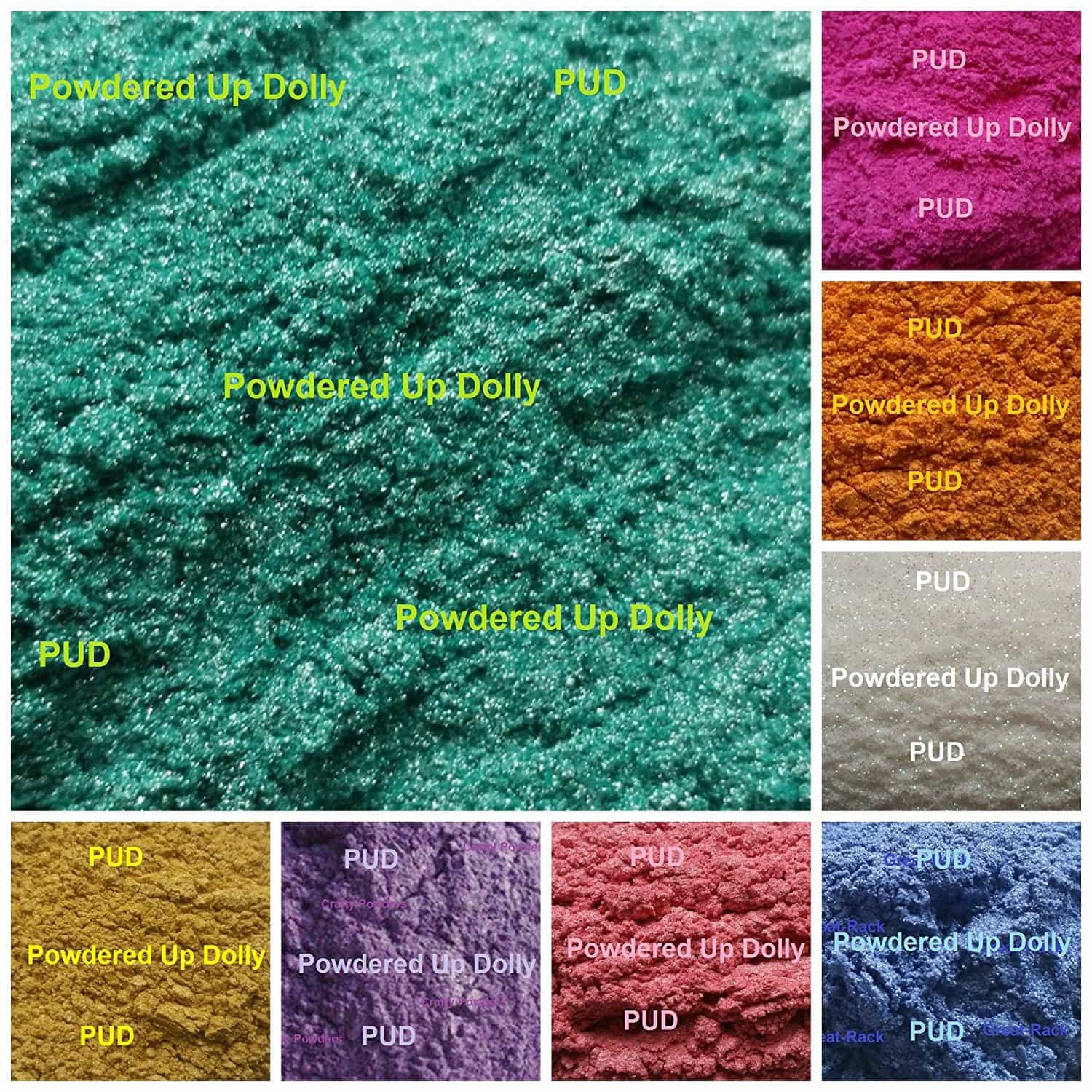
Smalltongue tops the roundup as the most versatile set for makers who want strong color payoff and a wide pearlescent range. For bath bombs you’ll appreciate mixes that layer well in dry blends and give consistent sheen without needing heavy application. This is the go-to if you want one kit that covers soap, candles, and cosmetics as well as bath products.
2. Rolio, runner-up with reliable cosmetic-grade options
Rolio scores high for makers focused on skin-safe labeling and predictable pigments, making it a solid runner-up for bath bombs and small-batch cosmetic projects. Rolio’s palettes tend to have balanced vibrancy, which helps when you need repeatable results for seasonal runs like Valentine’s or winter collections. Expect dependable color payoff and fewer surprises during scale-up.
3. CHANGTIKEJI, value set for crafters building inventory
CHANGTIKEJI is highlighted as a value-packed option, useful when you’re stocking a small business or experimenting with many shades. It’s especially practical for makers who need a wide assortment without premium cost per color, and it pairs well with testers and sample-sized product listings. Use it for creating themed bundles where you don’t need every shade to be ultra-premium.
4. Cosmetic-grade and safety labeling, the single most important criteria
For bath-bomb makers, prioritize skin-safe cosmetic grades and clear non-toxic labeling above everything else; these determine whether you can legally and ethically sell a product meant to contact skin. Look for explicit cosmetic-grade claims and ingredient transparency so you can confidently advertise bath bombs as skin-safe. If a pigment skirts labeling, don’t risk customer reactions, choose alternatives that declare cosmetic suitability.
5. Color payoff and pigment performance, what matters in practice
Color payoff determines how much mica you actually need and whether colors stay true in the fizzing bathwater, so pick powders that show strong pigment per pinch. High payoff means you’ll use far less mica per batch, which saves cost and reduces cloudiness in the water. Test on small 1–2 batch trials to dial dosing and mixing order before committing to larger runs.
6. How little mica you need, practical dosing guidance
A little mica goes a very long way in bath bombs; most makers start with a pinch and work up slowly until they get the shade and shimmer they want. Because mica is potent, adding too much can stain skin or cause a heavy residue, slow, measured additions let you find the sweet spot. Always make a single test bomb to check visual effect and residue before a full production run.
7. Common price expectations, budget to mid-range reality
Expect price tiers from inexpensive sampler packs for hobbyists up to mid-range multi-color kits geared at small businesses; most makers find a balance in sets priced for repeat use without premium markup. Budget sets are great for trying palettes; mid-range options typically offer better pigment consistency and clearer cosmetic-grade claims. Plan procurement around how often you produce and whether you’ll need labelling/certifications for resale.

8. Practical mixing and application tips for bath bombs
Mix mica into your dry base (baking soda, citric acid blends) rather than pouring pigment into wet batter to avoid streaking and clumping. For layered or marbled bombs, pre-blend small amounts of mica with a neutral dry carrier so you can spoon or press neat colors into molds. Test color in finished fizz to see true payoff, micas can look different once they hit water.
9. Pearlescent vs. matte micas, matching finish to product
Choose pearlescent powders if you want shimmer and glow in the bath; matte micas give solid color without shine. Match the finish to your product positioning: luxe bath bombs benefit from pearlescent highlights for giftable winter/Valentine stock, while everyday kids’ bombs may be better matte and intensely pigmented. Layer pearlescent strategically, used sparingly it elevates perceived value without overpowering the color.
10. Seasonal planning, winter and Valentine’s stock considerations
When preparing winter or Valentine’s lines, lean into warm shimmers, rosy micas, and metallic highlights for a premium look that photographs well online. Build small test runs to check stability over storage time; color shift and fallout can erode brand perception if discovered by customers. Plan SKU variations (matte vs. shimmer, single-color vs. marbled) so you can react quickly to which styles sell.
11. Labelling, safety testing, and customer transparency
Label pigments on ingredient lists when selling bath bombs and be ready to share cosmetic-grade status if customers ask; transparency builds trust and reduces returns. Do a simple patch test recommendation and note any warnings about inhalation during mixing, micas are fine on skin when cosmetic-grade but dusty during handling. Clear product language prevents misunderstandings and supports small-business credibility.
12. Buying checklist and setup for small-batch makers
When selecting a set, check: • cosmetic-grade claim • color range and pearlescent/ matte mix • price per gram or per color • customer reviews about color payoff and fallout • packaging sizes that match your batch scale. Assemble a small test kit with sampler packs from top picks (Smalltongue, Rolio, CHANGTIKEJI) and standardize one mixing protocol so your colors are consistent across batches.
The takeaway? Start with a trusted kit, prioritize cosmetic-grade labeling, and remember that a pinch can transform a bath bomb, less is often more. Our two cents? Buy a small sampler, run quick tests, and scale what works: consistent color and clear safety claims will keep customers coming back.
Know something we missed? Have a correction or additional information?
Submit a Tip