Busy Caregivers Can Find Self-Care Beyond Bath Bombs in Simple Daily Micro-Habits
Bath bomb lovers who can't carve out an hour have better options than guilt. Three breaths, a five-minute walk, and a shower steamer can still deliver the reset you need.
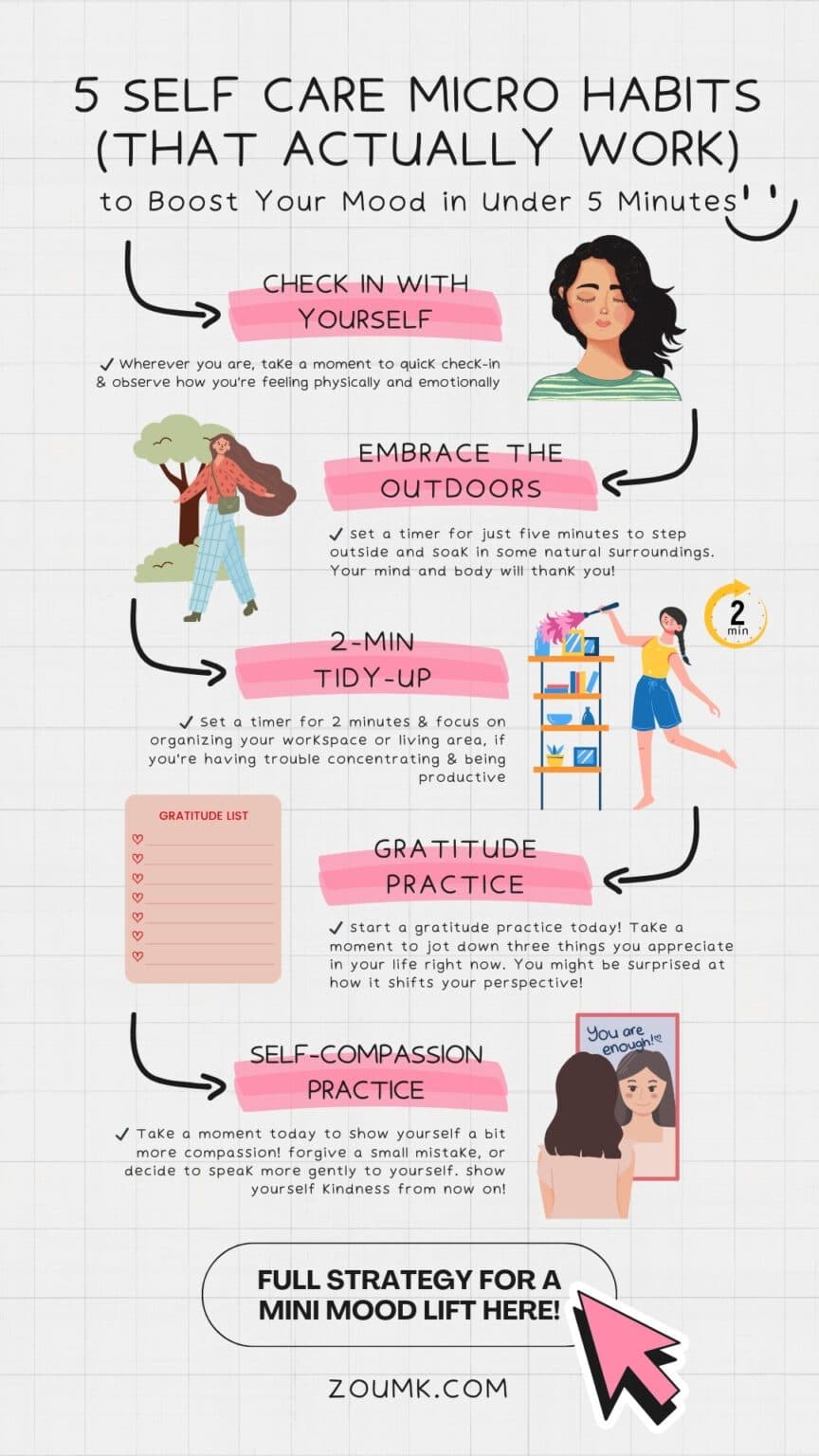
The bath bomb is ready. The fizzy, the fragrance, the ritual you have been craving since Tuesday. But so is the laundry, and the homework folder, and the kid who needs a snack. For a significant portion of the bath bomb community, this is not an occasional mismatch; it is Tuesday, and Wednesday, and most of Saturday. Sara Taylor's piece on Stroller-Envy names this problem plainly: an hour-long soak is simply unrealistic for most caregivers and busy professionals on most days. The solution she offers is not to abandon the pursuit of self-care but to rebuild it around what actually fits.
The Myth of the One-Hour Reset
The standard bath-bomb ritual is an event: fill the tub, drop the bomb, soak for 45 minutes, emerge restored. That model works beautifully when the calendar cooperates, but it quietly sets up a guilt trap when it does not. If the full ritual is the only version of self-care that counts, then any day without a free hour becomes a day where you failed to care for yourself. Taylor's framing challenges that directly, positioning short practices not as consolation prizes but as legitimate, science-supported tools that accumulate real stress relief over time. Reframing what counts is the first and most important step.
When the Bath Bomb Actually Wins
Before dismissing the soak entirely, it is worth knowing when it is genuinely the right tool. If you have 30 or more uninterrupted minutes, need deep sensory decompression after a prolonged period of overstimulation, or want the skin-conditioning benefits that a well-formulated bomb delivers through extended contact, the full ritual earns its place. The bath bomb is also ideal when the goal is genuine transition, a deliberate signal to your nervous system that the caregiving shift is over. On those days, protect that time aggressively. The decision tree starts here: if the tub is available and the window is real, use it.
Micro Workouts: Five to Ten Minutes of Movement
When the tub window closes, movement opens. Taylor's list includes micro full-body workouts in the five-to-ten-minute range, short enough to complete during a nap, a snack break, or the gap between school pickup and dinner. The science behind this is straightforward: brief bouts of exercise trigger the release of dopamine and serotonin, the neurotransmitters linked to mood regulation and relaxation. You do not need a gym, a mat, or a 45-minute class; a set of squats and a few push-ups done consistently produce cumulative benefits that a single long workout performed once a month cannot replicate.
The 4-7-8 Breath: Three Rounds, Measurable Calm
Structured deep breathing is the most portable self-care tool on the list because it requires nothing except a few seconds and a quiet corner. The 4-7-8 method, developed by integrative medicine specialist Andrew Weil and rooted in the ancient yogic practice of pranayama, works by inhaling for four counts, holding for seven, and exhaling for eight. According to the Cleveland Clinic, techniques like this trigger the body's relaxation response, calming an overstimulated nervous system. Taylor's article makes a point that sounds almost too simple to believe: three intentional breaths can substantially reduce stress. That is not hyperbole; it reflects decades of research on controlled breathwork and its effect on the autonomic nervous system.
Quick Neighborhood Walks
A five-minute walk around the block is one of those recommendations that sounds underwhelming until you do it. Research published in Frontiers in Psychology confirms that even brief walking sessions reduce stress and improve mood, driven by the same dopamine and serotonin release triggered by longer exercise. The neighborhood walk has a specific advantage for caregivers: it creates a physical boundary between the indoor caregiving environment and a brief moment of sensory reset. You do not need a trail, a destination, or a particular pace. The point is the interruption of the stress loop, and five minutes is enough to start it.

Short Journaling Sessions
Written reflection does not require a leather-bound notebook or a dedicated hour of silence. Taylor includes short journaling sessions in the list precisely because they scale to whatever time is available, even five minutes of freewriting before the house wakes up or after the kids are down. The act of externalizing anxious thoughts onto paper is well-documented as a method for reducing their psychological weight. For caregivers specifically, journaling creates a rare moment of self-directed attention in days that are otherwise entirely organized around others' needs.
Shower Steamers: Bath-Bomb Energy Without the Tub
This is where bath-bomb makers should pay close attention. Shower steamers are the closest adjacent product to a bath bomb that works inside a two-to-five-minute window. Placed on the shower floor, they dissolve in the steam and release essential oils that transform a routine rinse into an aromatherapy session. The format has been one of the breakout self-care trends, with search interest and retail demand surging through 2025 precisely because they deliver the sensory ritual of a bath bomb without requiring a tub or a spare hour. For makers, these are not a replacement line; they are a bridge product that keeps busy customers connected to the craft between full soak sessions.
Mini-Bombs and Foot-Soak Fizzers
Foot-soak fizzers are another bath-bomb-adjacent workaround that fits into interrupted routines without asking for a full tub. A basin of warm water on the bathroom floor, a small fizzy dropped in, ten minutes while you read something or simply sit: this is a legitimate sensory reset that requires almost no setup and no dedicated bathroom time. Mini-bombs sized for partial fills, travel tins, and sample-sized formats serve the same function. The key insight from Taylor's framing is that portability and speed do not have to mean sacrificing indulgence. A well-formulated foot fizzer with eucalyptus or peppermint oil delivers a sensory payoff that rivals a full soak for mood reset, even if it skips the full-body soak.
Building a Portfolio, Not a Pedestal
The cumulative model is the philosophical engine beneath all of this. Small, repeatable habits are easier to maintain and more likely to produce long-term benefits than infrequent indulgent events, no matter how restorative those events are when they happen. Three breathing rounds on Monday, a five-minute walk on Tuesday, a foot-soak fizzer on Wednesday, a full bath-bomb soak on Saturday: that portfolio delivers more consistent stress relief than waiting all week for one perfect evening that may never arrive. The goal is not to replace the bath bomb ritual but to stop treating it as the only ritual that counts.
For Makers: Frictionless Is the New Luxury
The consumer signal embedded in Taylor's piece is direct and actionable. A large portion of the bath-bomb audience loves the aesthetics, the scent design, and the sensory philosophy of the format but cannot reliably schedule the full experience. Brands and small-batch makers that respond with smaller packs, pre-portioned shower steamers, and marketing built around 10-minute resets rather than hour-long soaks will reach that audience where they actually live. Framing a product as a "quick-reset ritual" rather than a "luxurious soak" is not a downgrade; it is an honest acknowledgment of how most caregivers actually move through their days. The makers who understand this are positioned to convert the browsers who love bath bombs in theory into buyers who use them consistently in practice.
This article was produced by Prism’s automated news system from verified source data, official records, and press releases, then run through automated quality and moderation checks before publishing. The system is built and supervised by the people who set the standards it runs under. Read our full AI policy.
Did this article answer your question?