CBD bath bombs offer women a spa-like evening reset
The fizz can feel luxurious, but the smarter buy is the one with a clear CBD dose, solid testing, and no fuzzy health claims.
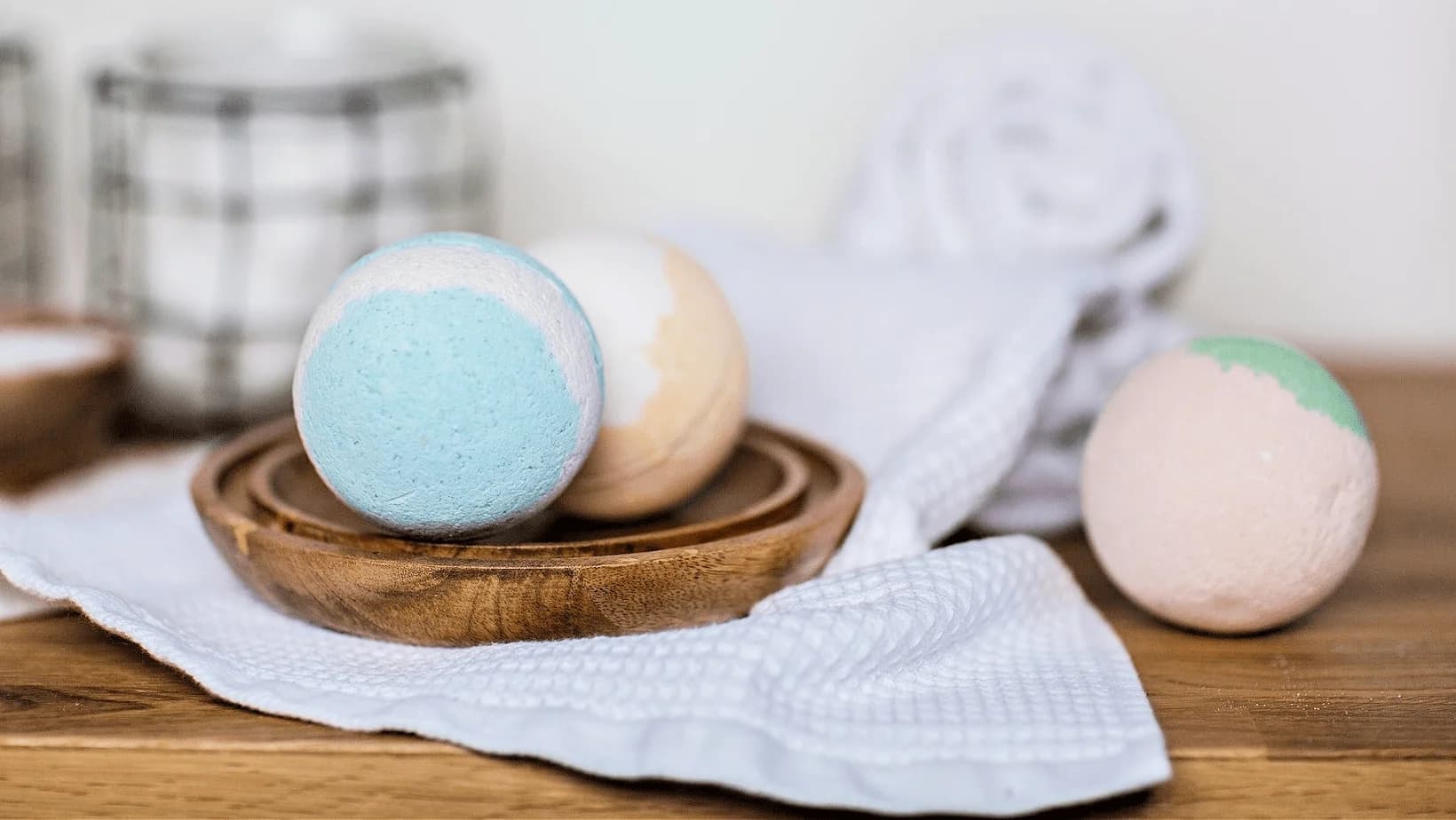
Warm water, a burst of scent, and 20 or 30 quiet minutes can turn an ordinary tub into a private reset after work, family duties, and a day that never really stopped. That is the feeling women are buying into with a CBD bath bomb. The trick is knowing where the spa-like ritual ends and the marketing begins, because these bombs live at the crossroads of skincare, fragrance, and a still-murky CBD category.
Why the ritual works even before the CBD enters the water
Bath culture has always been about more than cleansing, and that is exactly why CBD bath bombs fit so easily into the self-care shelf. The familiar mix of fizz, warm water, essential oils, Epsom salt, shea butter, and natural fragrance turns the tub into a small staged experience, not just a wash. In a stress-heavy routine, that matters: the Centers for Disease Control and Prevention warns that long-term stress can worsen health problems and that daily stress-management habits can help prevent those effects.
The bath itself also has a real relaxation case behind it. The National Center for Complementary and Integrative Health lists deep breathing, progressive muscle relaxation, guided imagery, and meditation as recognized relaxation techniques, which is why so many bath routines pair the soak with tea, soft music, reading, or a few minutes of breathing practice. A randomized bathing study found that immersion bathing improved self-reported fatigue, stress, pain, mood, and skin-condition measures compared with showering.
The checklist that matters before you drop one into the tub
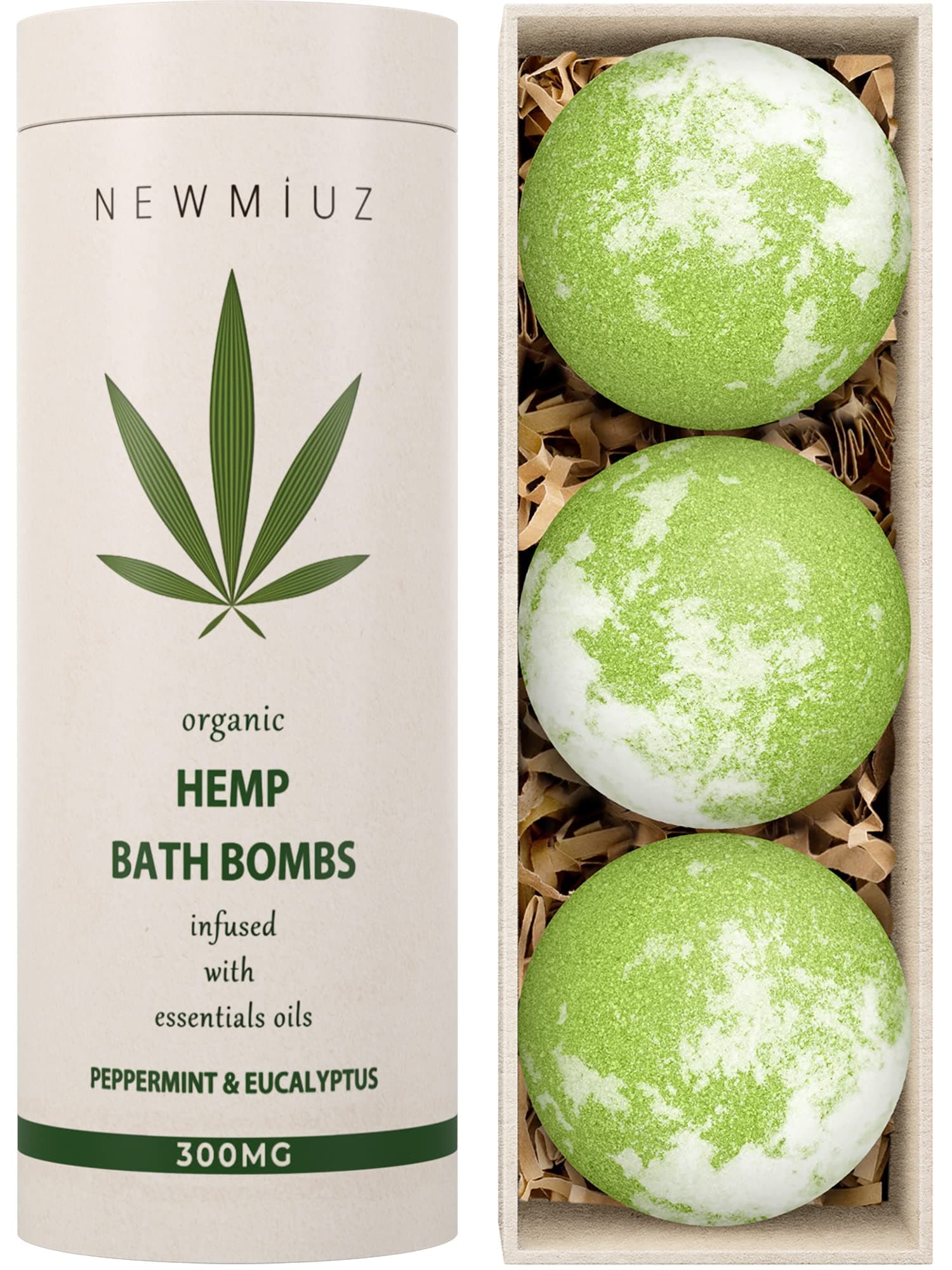
If you are buying a CBD bath bomb for a calm evening, the label should do more than look pretty. It should answer basic questions about dose, ingredients, and testing so the product feels like a cosmetic, not a mystery.
- CBD amount: Look for the amount in milligrams per bomb, not just a vague “CBD-infused” claim. A label that names the dose gives you a real comparison point across products.
- Third-party testing: Independent testing is one of the few ways to check whether the product contains what it says it contains. Many CBD products on the market, including bath bombs, are not FDA-approved and may not be pure CBD.
- Full ingredient list: Hemp-derived CBD may be the headline, but the rest of the formula matters just as much. Essential oils, fragrance, shea butter, Epsom salt, and colorants can all affect how the bath feels on skin.
- Fragrance sensitivity: If your skin is dry, reactive, or easily irritated, fragrance deserves the same attention as the CBD. The American Academy of Dermatology advises limiting baths and showers to five to ten minutes with warm water for dry skin, which is a reminder that long, scented soaks can be rough on some skin types.
- No medicinal overpromising: A bath bomb can be a cosmetic ritual, but claims about treating stress, pain, or insomnia cross into another territory fast. If the packaging starts sounding like a remedy instead of a bath product, treat that as a warning sign.
What the law allows, and where the gray area starts
CBD products sit in a regulatory zone that invites big promises and small print. The U.S. Food and Drug Administration continues to support scientifically based research into cannabis-derived drugs, but CBD cosmetics are not the same thing as approved drug products. Fragrance ingredients used in cosmetics are regulated ingredients, and therapeutic claims can push a cosmetic product into drug territory.
That matters for bath bombs because the category leans heavily on mood language. Aromatherapy-style wording can make a product feel therapeutic, but fragrance products marketed with claims that they will treat health problems or improve well-being are still subject to cosmetic and drug rules. So even a bath bomb with hemp, lavender, or eucalyptus is still subject to scrutiny if its marketing crosses into therapeutic claims.
What topical CBD bath use can actually promise
The science is interesting, but it is not a clean endorsement of every calming claim on the shelf. Recent reviews found that topical cannabidiol may have anti-inflammatory, antioxidant, and moisturizing potential, but they also stressed that dosing, safety, and long-term effects need more human research. A broader dermatology review suggested cannabinoids may help with inflammatory skin disorders while still calling for more evidence.
How the category got here in the first place
Bath bombs are not a novelty item anymore. Mo Constantine, the Lush co-founder, created and patented the modern bath bomb in 1989, and the product has since become one of the category-defining objects of bath culture. In 2026, Lush put its sales at more than 20 million bath bombs globally per year. The global bath bomb market was about $1.77 billion in 2025.
This article was produced by Prism’s automated news system from verified source data, official records, and press releases, then run through automated quality and moderation checks before publishing. The system is built and supervised by the people who set the standards it runs under. Read our full AI policy.
Did this article answer your question?