Choose and Make Scented Bath Bombs Using Trusted Recipes and Tips
A practical buyer’s guide paired with a step‑by‑step evergreen‑scented recipe gives clear ingredients, shopping considerations, and molding tips for making scented bath bombs at home.

A straightforward primer and a hands‑on recipe now give readers the tools to choose and make scented bath bombs using familiar kitchen items and botanical oils. The essentials of bath‑bomb chemistry and shopping priorities help shoppers decide between natural and synthetic ingredients, while a concrete evergreen formula walks makers through mixing and molding.
BestReviews frames the consumer side, explaining bath‑bomb basics and shopping considerations. The guide highlights sodium bicarbonate and citric acid as core ingredients and urges attention to natural vs. synthetic ingredients and added oils. LearningHerbs supplies a practical do‑it‑yourself evergreen recipe that uses common household items and named botanical oils to illustrate those shopping choices.
The LearningHerbs recipe lists precise measurements: 1 cup baking soda; 1/2 cup citric acid; 2 tablespoons olive oil; 1/2 cup Epsom salt; 1/2 cup cornstarch; 25 drops fir needle essential oil (Abies balsamea); 15 drops black spruce essential oil (Picea mariana); 15 drops scotch pine essential oil (Pinus sylvestris); witch hazel or other hydrosol in a spritzer bottle; and evergreen needles optional. For makers who prefer technical terms, sodium bicarbonate and baking soda refer to the same compound, tying the buyer’s‑guide language to the hands‑on recipe.
Follow the LearningHerbs method for a reliable workflow. “Blend the baking soda, citric acid, Epsom salts and cornstarch together in a large bowl. Stir well and break up any clumps within the mixture.” Next, “In a small bowl blend together the olive oil and essential oils.” “Drizzle them onto the previous dry mixture. Stir well.” Use a spritzer of witch hazel or hydrosol to bring the mix to the right tactile consistency; once the mixture holds together, press it into molds immediately.

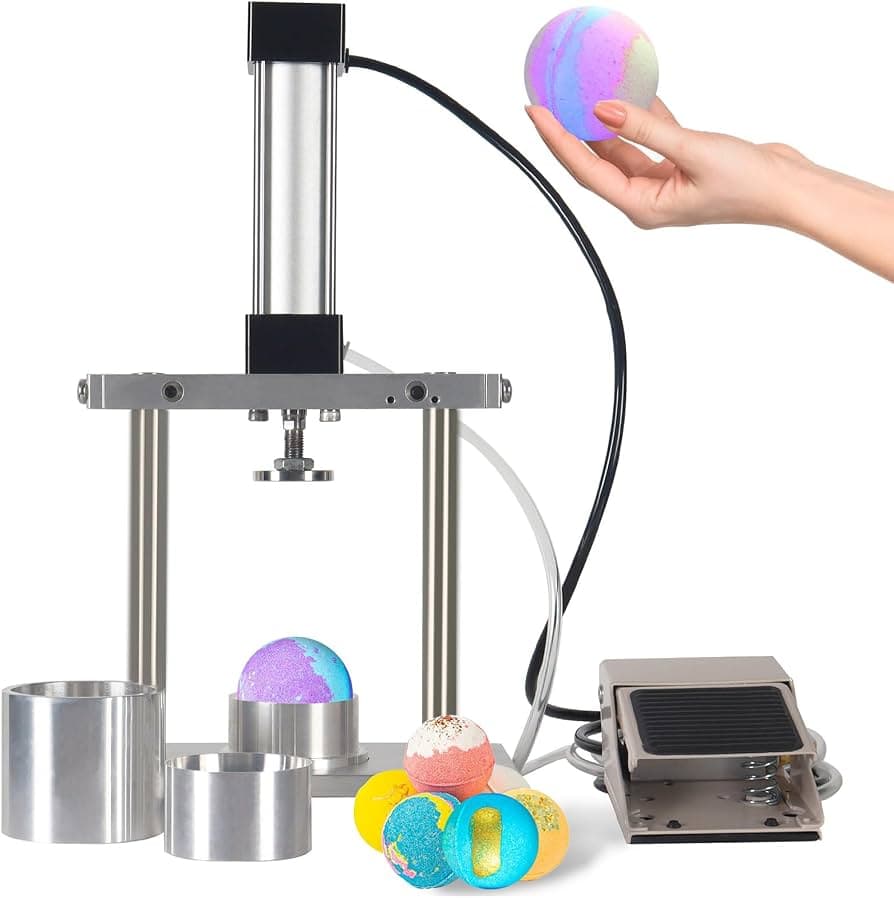
Practical molding advice keeps cleanup simple. “You can buy molds specific for making bath bombs, but rather than buy something new with such limited use, I chose to use a 1/3 measuring cup.” When adding botanicals, follow the recipe’s packing notes: “Once you have the desired consistency, immediately start pressing it into molds. If using evergreen needles, place a couple in the center of your measuring cup. Less is better here as lots of needles can be a bother to clean up after your bath. Pack the measuring cup with the mixture. Use the heel of your hand to pack it in firmly and to create a relatively level space at the top.”
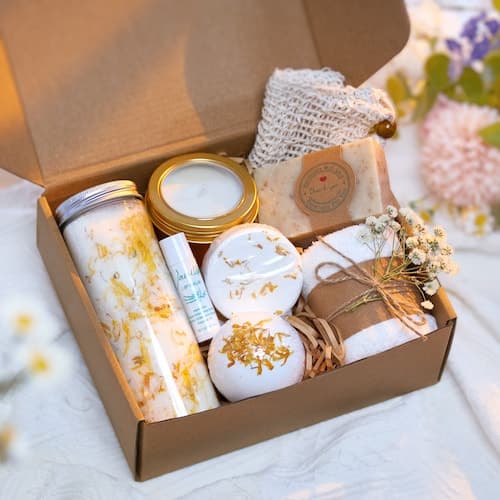
The LearningHerbs copy also frames the ritual: “These winter months offer the chance to slow down and sink into self-care and introspection. This recipe invites you to relax into a hot bath scented with the resinous aromas of evergreens. Start the bath water, put on your favorite music, light a candle, sink into the restorative water, drop in your bath bomb, and breathe.” For sourcing of botanicals, the recipe points readers toward specialty suppliers: “Need herbs? Visit Mountain Rose Herbs.” The author also suggests pairing bath bombs with other homemade treats: “In the past I’ve shared recipes with you for Evergreen Lip Balm, Evergreen Body Butter, and an Evergreen Moisturizing Salt Scrub – these would all combine to make a lovely seasonal gift basket!”
A few practical gaps remain in the supplied material: the recipe excerpt does not state expected yield, drying or hardening time, or detailed safety and dilution guidance for essential oils. Verify those specifics and any allergy or safety concerns before gifting or bathing with homemade products. For readers ready to try, this combination of buyer’s guidance and a named‑oil recipe makes scented bath bombs an accessible craft and a simple, fragrant way to personalize self‑care or build a seasonal gift set.
This article was produced by Prism’s automated news system from verified source data, official records, and press releases, then run through automated quality and moderation checks before publishing. The system is built and supervised by the people who set the standards it runs under. Read our full AI policy.
Did this article answer your question?