Craftiful Fragrance Oils explains what makes bath bomb batches succeed or fail
One batch can fizz cleanly while the next crumbles or swells. Craftiful Fragrance Oils shows how ingredient balance turns bath bomb making into a repeatable system.
Why this guide matters when a batch goes sideways
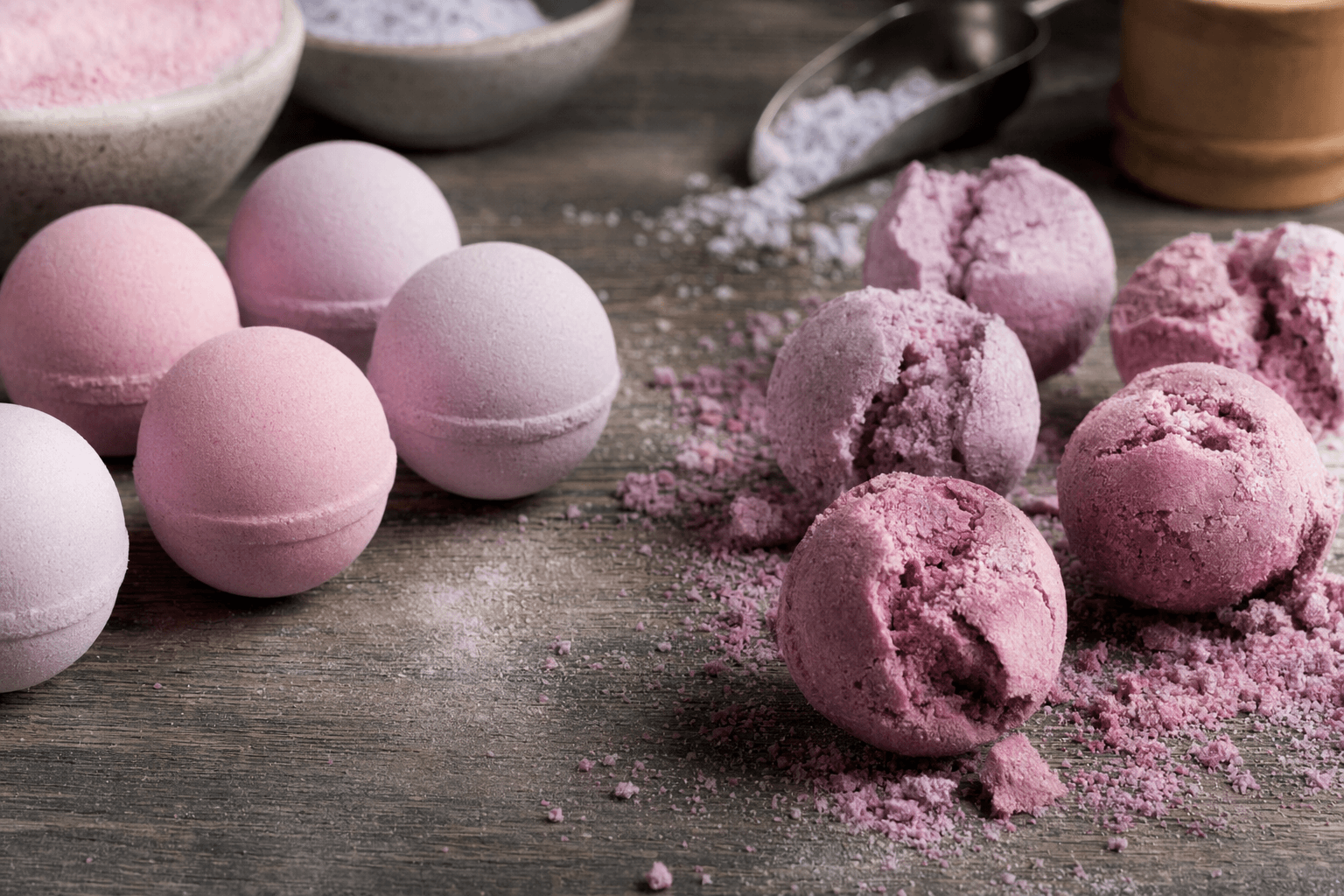
The difference between a great bath bomb and a frustrating one is often invisible at mix time. One batch comes out hard, holds scent, and fizzes cleanly in the tub; the next swells in the mould, chips at the edges, or lands with a weak reaction. Craftiful Fragrance Oils leans into that reality and treats bath bomb making like a system, not a guessing game.
That approach is exactly what sells the guide. Instead of romanticizing craft, it focuses on the variables that make small-batch work succeed or fail: ingredient balance, room humidity, oil load, and the way each addition changes texture before the mix ever hits a mould. For makers chasing repeatability, that is the useful part.
The fizz starts with balance, not luck
At the center of the formula are sodium bicarbonate and citric acid, the pair that drives the familiar bath bomb reaction. Craftiful explains the roles plainly: sodium bicarbonate supplies the alkaline side of the fizz, while citric acid brings the acid side. Get that balance wrong and you do not just change the bubble show, you change the structure of the whole bomb.
Push the citric acid too high and the bomb can turn brittle, making it harder to mould cleanly. Keep it too low and the fizz can feel underwhelming, which is a problem if you are making for customers who expect a dramatic hit when the bomb drops into water. The guide also makes the point that there is no universal perfect ratio, because oils, clays, butters, and even humidity in the room all shift how the mix behaves.
That is the right mental model for this product category. Bath bombs did not become a durable staple because one fixed recipe ruled them all. Lush says Mo Constantine invented the bath bomb in 1989 in a garden shed in Dorset, England, and the company says it was first awarded the bath bomb trademark on April 27, 1990. Lush now marks that date as World Bath Bomb Day, and it says it sold roughly 30,000 bath bombs in its first year. That origin story matters because it shows how fast a handmade novelty became a real product category.
Cornflour, oils, and butters change the feel, but they also change the risk
Craftiful gives cornflour the kind of attention experienced makers give it in practice. It can slow the reaction and soften the feel of the finished bath, which is why it shows up in so many formulas. It also helps with binding, but too much can mute the fizz and leave the bomb feeling more polite than satisfying.
Carrier oils such as sweet almond or sunflower oil play a similar double role. They improve skin feel and can help the mixture hold together, but too much oil can kill the fizz or leave an oily ring in the bath. That is the tradeoff sellers feel immediately, because a prettier dry bomb is not a win if it performs badly in the tub.
Butters like shea and cocoa butter can push the formula toward a more premium finish, but they also make the mix temperamental. They respond to temperature, so a formula that behaves in a cool workspace can suddenly become over-packed once the butter softens. In practical terms, that means the same recipe can give you two different outcomes depending on the day, the room, and how fast you work.
What repeatability looks like in a real making workflow
The strongest part of the guide is the way it reframes bath bombs as a repeatability problem. A good batch is not just the one that looks good on the table. It is the one that survives the cure, keeps its scent, drops cleanly into water, and still looks worth buying after storage or shipping.
That is the immediate payoff for makers. If your formula is balanced, you get fewer mystery failures like cracking edges, soft domes, or weak fizz. If it is not, you spend more time fixing batches than making them. Craftiful’s ingredient-by-ingredient breakdown gives you a better chance of spotting which variable broke the run, whether that means backing off oil, tightening the acid balance, or reducing the amount of fat-rich butter in the mix.
For small sellers, that consistency matters even more. A bath bomb that looks fine on the rack but dents in transit or sweats in storage is a product problem, not just a craft problem. The guide reads like it was written for makers who need the next batch to match the last one, not for people who only want to experiment once.

Why the business side is no longer optional
The commercial stakes are bigger than a weekend hobby table. Recent market reports put the global bath bomb market in the low billions, with one 2025 estimate at about $1.38 billion and another at about $1.48 billion. Those numbers explain why formula control and compliance now sit in the same conversation.
In the United States, bath bombs sold commercially are typically treated as cosmetics, which brings federal labeling and safety expectations into play. The U.S. Food and Drug Administration says cosmetic products must follow labeling rules and ingredient nomenclature requirements, and it says manufacturers need adequate safety substantiation before marketing a product. It also warns that fragrance ingredients can be associated with allergies and sensitivities, which is exactly why scent load and disclosure matter so much in this category.
The paperwork side has been shifting too. On February 11, 2026, the FDA updated its Cosmetics Direct portal to support biennial cosmetic facility registration renewal under MoCRA. For sellers, that means the formula is only part of the product. Labeling, safety substantiation, and inventory-ready consistency are now part of the same job.
The takeaway for makers who want fewer failed batches
Craftiful Fragrance Oils is useful because it does not pretend bath bombs are simple. It treats the formula like a living system where sodium bicarbonate, citric acid, cornflour, oils, and butters all compete for control over texture, scent, fizz, and durability. That is the difference between a bomb that merely looks finished and one that actually performs.
If you make for yourself, the lesson is fewer surprises in the mould and in the tub. If you sell, the lesson is even sharper: cleaner packaging, better shelf life, more consistent performance, and fewer reasons for a customer to think the batch was rushed. That is what turns bath bombs from a pretty craft into a product that can hold up under real use.
This article was produced by Prism’s automated news system from verified source data, official records, and press releases, then run through automated quality and moderation checks before publishing. The system is built and supervised by the people who set the standards it runs under. Read our full AI policy.
Did this article answer your question?