Da Bomb builds bath bomb brand around surprise-inside gifting
Da Bomb turns bath bombs into a giftable reveal, and that surprise-inside formula is still helping the brand stand out in a crowded self-care aisle.

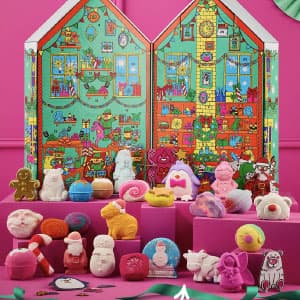
Da Bomb has built its bath bomb business around a simple idea that still has real commercial muscle: the fizzer should not just smell nice, it should deliver a reveal. Each bomb promises a surprise inside, and that hidden payoff turns a basic bath product into something closer to an event, especially for gift buyers and younger shoppers looking for novelty they can unwrap, drop, and watch unfold.
Why the surprise-inside model keeps working
The smartest thing about Da Bomb’s approach is that it understands how bath bombs are actually bought. Plenty of products compete on scent or color alone, but the surprise-inside format adds anticipation before the drop and a payoff after the fizz. That gives the product a second layer of appeal, one that feels built for birthdays, stocking stuffers, party favors, and spontaneous gifts.
It also gives the brand a clearer identity in a crowded category. When every shelf is full of fragrant spheres and pastel swirls, a hidden toy or collectible-style reveal becomes an immediate differentiator. Da Bomb leans into that advantage by making the surprise part of the promise, not a side feature, which helps the brand stay memorable even as the market around it fills with novelty fizzers.
A brand story that feels handmade, family-run, and easy to retell
Da Bomb’s origin story is part of why the reveal model has stuck. Public reporting says sisters Caroline and Isabel Bercaw started the business in 2011 when they were 10 and 11 years old. Money reported that their parents bought about $25 worth of ingredients for a science experiment, and the early bath bombs were first sold at a local art fair in Minneapolis.
That story matters because it gives shoppers something beyond the product itself: a family-business narrative that feels authentic, scrappy, and giftable all at once. Da Bomb’s homepage says its bath fizzers are handmade in the USA by a pair of teenage sisterpreneurs, and the company’s story page says all of its bombs are handmade in the USA. It also says the company pays fair, living wages and has created over 150 jobs in its community. Together, those details make the brand feel like more than a novelty maker. They make it feel like a real manufacturing story with local roots.
Forbes later described Da Bomb Bath Fizzers as a 200-employee company with more than $20 million in annual revenue, and noted retail partners including Target, CVS and Kohl’s. That kind of scale shows why the brand’s origin still matters: the narrative is small enough to feel personal, but the business has grown large enough to prove the model can travel.
From one fizzer to a wider gifting ecosystem
Da Bomb is not acting like a one-product brand, and that is part of its durability. Its navigation spans Bath Bombs, Bath Bomb Jars, Bath Salts, Bath Shots, Oddballs, Shower Steamers, Value Packs, Gift Sets, DIY Books, and a Tub Club subscription box. That spread tells you the company understands a key truth of the bath bomb category: once a shopper likes the reveal, they often want more ways to buy into the same mood.
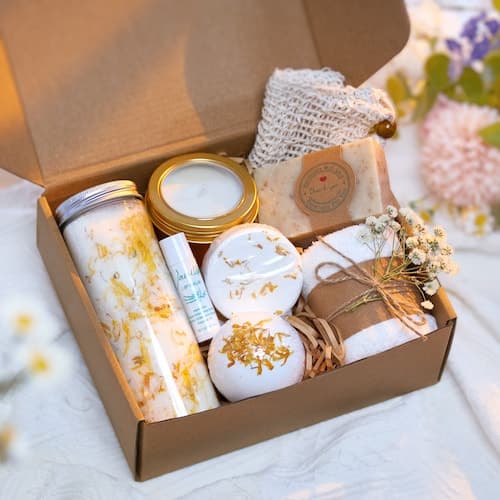
The breadth also makes the brand easier to shop for different occasions. Value packs support repeat use, gift sets make the decision simple, and DIY Books pull in the maker-curious customer who wants the fizzing experience to spill out of the tub and into the kitchen. Even the playful product names reinforce the same brand language of surprise, experimentation, and collectability.
Tub Club turns novelty into repeat purchase
Da Bomb’s Tub Club subscription box shows how the company monetizes that repeat behavior. Each month, the service sends four full-size 7-ounce bath bombs directly to the doorstep, and each one has a surprise inside. The box ships only to U.S. addresses, which keeps the offer tightly defined even as the brand expands.
Subscriptions matter here because they convert a one-time gift idea into a recurring habit. Instead of relying on a single birthday or holiday, Da Bomb can keep the reveal cycle going every month. For a brand built on anticipation, that is a strong commercial fit: the customer is not just buying bath bombs, they are buying a steady stream of little reveals.
How Da Bomb positions against a crowded bath bomb market
The larger market context helps explain why this strategy keeps landing. Grand View Research estimated the global bath bomb market at $1,859.7 million in 2023 and projected it to reach $2,837.8 million by 2030. Fortune Business Insights put the market at $2.12 billion in 2025 and forecast $3.76 billion by 2034. Both sets of numbers point in the same direction: the category is still growing, but growth brings imitation, and imitation makes positioning more important.
Grand View Research also says Millennials and Gen Z are key demand drivers because of self-care, wellness, and experiential products. That is the lane Da Bomb is already in. The brand is not trying to win on quiet luxury or minimalist scent profiles. It is selling an experience that feels immediate, playful, and easy to give, which is exactly the kind of thing younger shoppers tend to share, buy for friends, and remember.
The practical comparison is straightforward:
- Scent-first bath bombs sell relaxation.
- Color-first bath bombs sell visual drama.
- Surprise-inside bath bombs sell anticipation, reveal, and a second reason to talk about the product after the water has drained.
That extra layer is why Da Bomb can stay relevant in a market crowded with novelty fizzers. The reveal is not just cute branding. It is the product logic.
A gift product that understands its audience
Da Bomb’s homepage language makes this even clearer. The products are described as wonderfully fragrant, designed to deliver a mood-boosting burst, and built to feel giftable, affordable, and repeatable. Those are not accidental adjectives. They map directly to how bath bombs move through the market: as small indulgences, easy gifts, and low-risk treats that can be bought without much explanation.
That is the real durability of the surprise-inside model. It gives a bath bomb a story before the bath, a payoff in the tub, and a memory after the fizz is gone. In a crowded self-care aisle, that is more than a gimmick. It is the difference between a product people use once and a brand they remember the next time they need a gift.
This article was produced by Prism’s automated news system from verified source data, official records, and press releases, then run through automated quality and moderation checks before publishing. The system is built and supervised by the people who set the standards it runs under. Read our full AI policy.
Did this article answer your question?