Dermatologists Outline Bath Bomb Safety Tips for Consumers
A clinician reviewed consumer health summary outlines dermatologist guidance and safety considerations for bath bomb use, emphasizing how ingredients and additives can cause irritation. The guidance matters for makers and sellers because clear labeling, usage advice, and simple formulation choices can reduce skin reactions and protect tubs and drains.

A clinician reviewed consumer health summary has clarified how bath bombs work and why some formulations cause skin reactions, offering practical steps for users and producers. The core chemistry behind the fizz is the reaction of bicarbonate and citric acid, and those base ingredients are generally benign once dissolved. Many commercial bombs however include fragrances, dyes, preservatives and decorative additives such as glitter and botanicals, and those extras are common sources of irritation for sensitive skin.
Dermatologists note that typical reactions include redness, itching, scaling and irritation, often appearing in skin folds or where the product stayed in prolonged contact with skin. Fragrances and oxidized terpenes such as limonene and linalool are frequent culprits in contact dermatitis. For children and for people with eczema or otherwise compromised skin barriers, these risks increase and warrant extra caution.
Practical recommendations center on limiting exposure and reducing residue. Keep soaks to about 10 to 15 minutes, rinse after bathing to remove oils and residues, and avoid products that list known allergens when you have a history of eczema or fragrance sensitivity. Perform a patch test on a small area of skin before using a new product widely. For makers, including clear ingredient lists, basic usage and safety instructions, and allergy warnings directly on labels or packaging helps consumers make informed choices and can prevent adverse reactions.
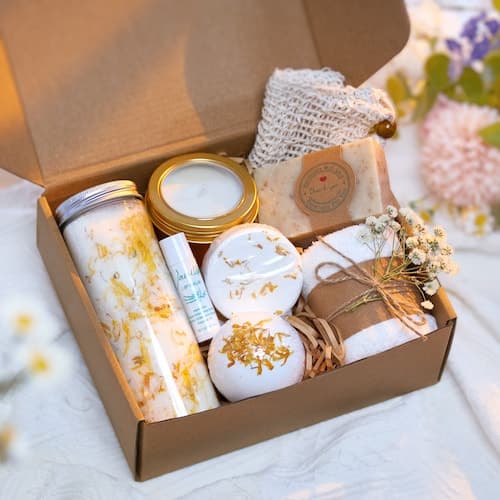
Beyond skin safety, decorative bits can cause plumbing and cleaning issues. Flower petals and glitter may clog drains or cling to tub surfaces, and using an emulsifier such as polysorbate 80 in formulations helps disperse oils and reduce tub staining. Sellers who package products for gifting or retail should consider simpler formulations or offer clear guidance on decorative contents and cleanup.
This clinician reviewed guidance offers community value by translating clinical concerns into actionable steps. Include ingredient transparency, advise patch tests, recommend rinsing, and consider gentler alternatives for vulnerable users. Those steps protect customers, reduce returns and complaints, and help sustain a safe, thriving bath bomb community.
This article was produced by Prism’s automated news system from verified source data, official records, and press releases, then run through automated quality and moderation checks before publishing. The system is built and supervised by the people who set the standards it runs under. Read our full AI policy.
Did this article answer your question?