DIY Bath Bombs: No-Fail Recipe, Troubleshooting, and Tips
Learn a practical, proven approach to making bath bombs at home, including core ratios, mixing technique, and simple fixes for common problems. This guide covers ingredients, binder technique, color and fragrance choices, storage, and community-tested tips to help you create reliable, skin-friendly fizzing treats.
1. Core recipe and ratios
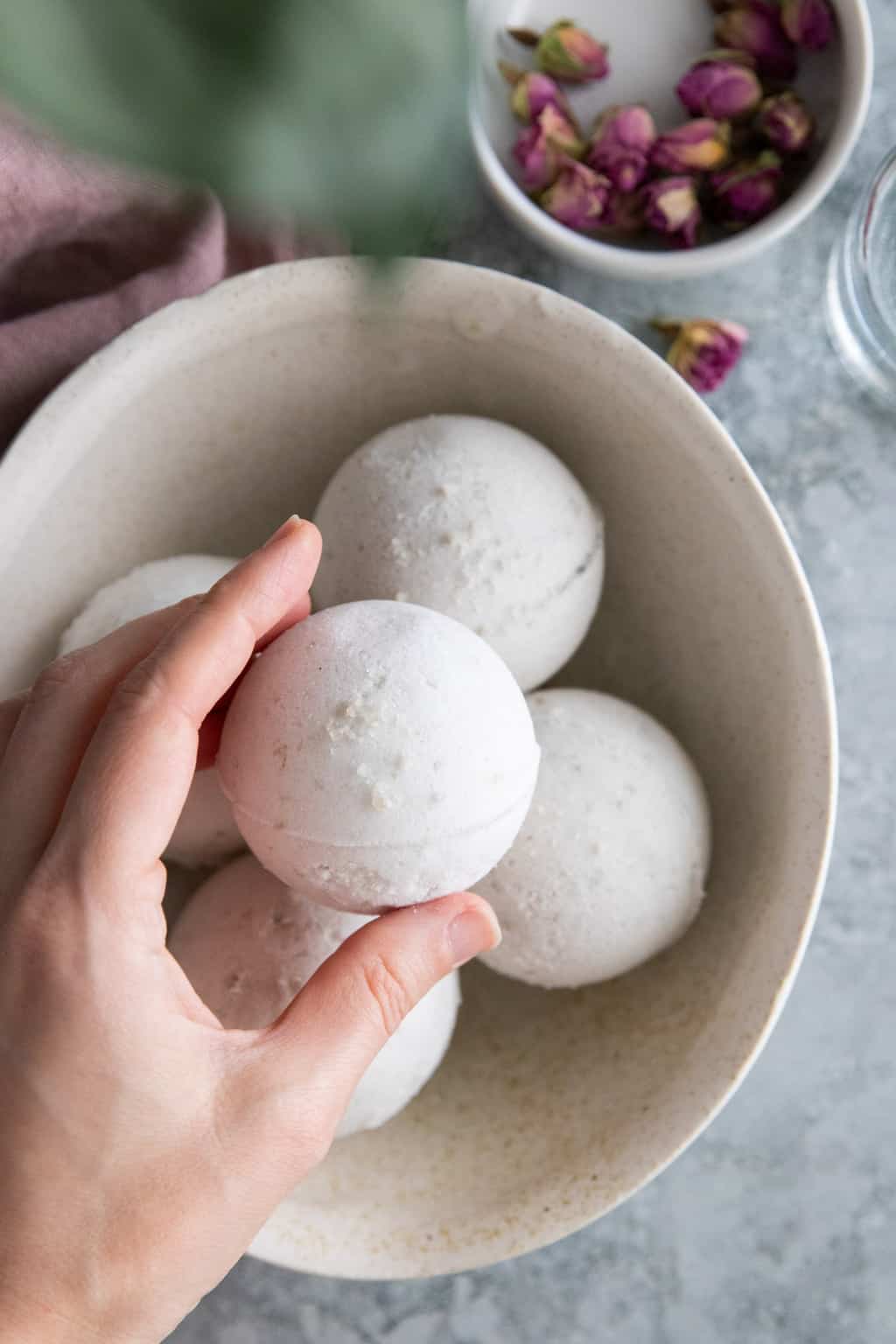
A reliable starting point uses roughly 2 parts baking soda to 1 part citric acid as the chemical base for fizz. Add Epsom salt or sea salt for bath benefits and texture, and optionally include cornstarch to soften the feel and slow the reaction. Include a small amount of a solid fat (like coconut oil) or a carrier oil to condition skin; too much oil will reduce fizz, so use sparingly. Use a fast-evaporating binder (witch hazel spray) applied sparingly to achieve the target texture.
2. Ingredient functions explained
Baking soda provides the alkaline base that reacts with the acid to generate effervescence, while citric acid supplies the acid component that creates bubbles when dissolved. Epsom salt and sea salt add mineral benefits and can alter the dissolution speed, giving you options for a gentler or quicker-fizz experience. Cornstarch acts as a filler and texture modifier, reducing brittleness and extending the bomb’s time to dissolve; oils moisturize the skin but will mute some of the fizz if overused.
3. Binder choice and texture testing
Use witch hazel as your binder rather than plain water to avoid premature fizzing; witch hazel evaporates quickly and reduces the chance of activating the reaction. Add the binder in a fine mist and stop as soon as the mixture reaches a “wet sand” texture, moist enough to clump but not soggy. Test texture by squeezing a small handful: it should clump together without crumbling, which tells you you’ve used enough binder without activating the fizz prematurely.
4. Mixing technique and step-by-step molding
1. Dry mix all powders thoroughly to distribute ingredients evenly, this prevents pockets of acid or soda that can cause inconsistent fizz.
2. Combine oils with a small portion of the dry mix before returning to the rest to avoid clumping of the oil.
3. Mist binder evenly while stirring; go slowly and pause frequently to check texture.
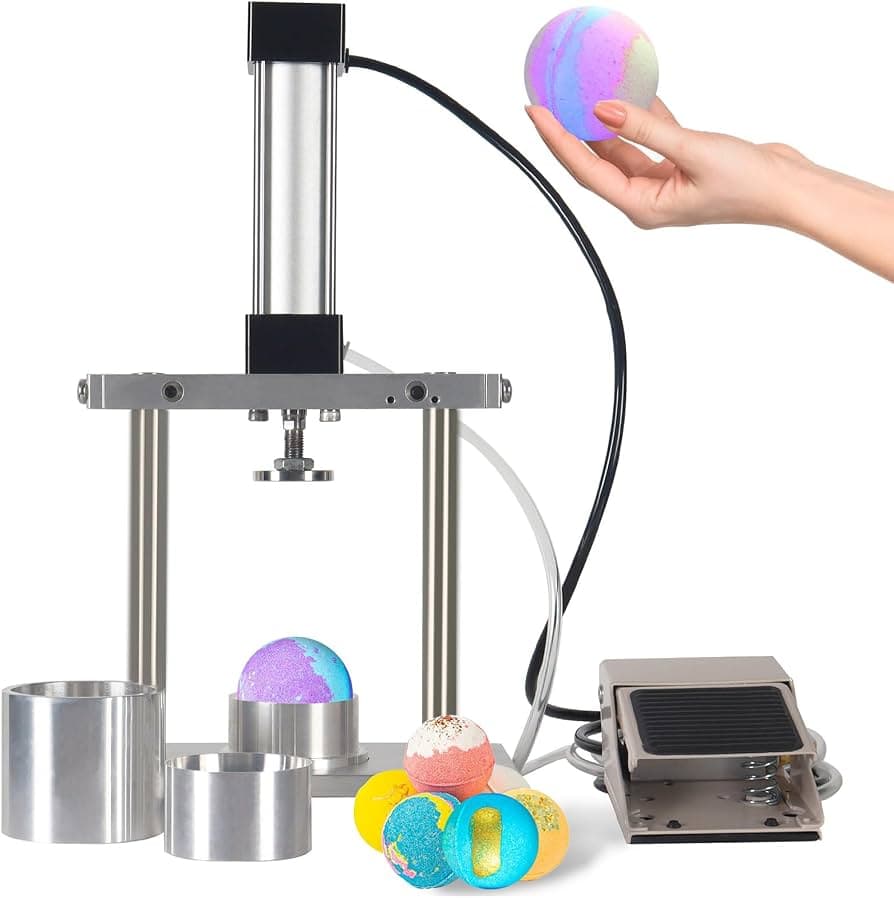
4. Pack molds firmly and overfill slightly before pressing halves together; firm pressure reduces air gaps and helps bombs release cleanly when dry.
A deliberate, patient approach to mixing and filling yields more consistent results than rushing through the steps.
5. Drying time and unmolding
Allow bath bombs at least 24 hours to dry in a cool, dry place before unmolding; humidity extends drying time and increases the chance of crumbling. If a bomb sticks in the mold, warm the outer surface gently or briefly blow-dry the mold to loosen it, this loosens suction without reactivating fizz. If a bomb partially crumbles during unmolding, you can recompact and sprinkle a little witch hazel to bind it back together, then let it dry again.
6. Colorants and safe decorative additions
Choose cosmetic-grade mica powders or water-based colorants designed for bath products to avoid staining skin or tubs; test your colorant choices on a small batch and check how they disperse in water. For decorations, dried flowers and biodegradable glitter add visual appeal, but place them in the center of the bomb rather than the outside to reduce mess in the tub. Avoid anything that could clog drains or irritate skin; when in doubt, prioritize finely milled, skin-safe additives.

7. Fragrance choices and essential-oil caution
You can use fragrance oils made for bath products or essential oils, but always respect the potency of essential oils and dilute them appropriately in your oil phase. Essential oils vary in skin-safety and photosensitivity, so consult reliable safety guidelines before adding them to a recipe, and perform a patch test if you plan to gift or sell your bombs. Start with conservative fragrance amounts and increase in subsequent small test batches until you reach your preferred scent strength.
8. Storage and shelf life
Store finished bath bombs in airtight containers or sealed bags in a cool, dry place to protect them from humidity, which can trigger partial fizzing and reduce shelf life. Label batches with the date you made them so you can rotate stock and use older bombs first; properly stored bombs can keep several months but will eventually lose some of their fizz over time. Avoid long exposure to fluctuating temperatures or direct sunlight, which can melt oils and alter texture.
9. Troubleshooting common failures
Crumbling usually means the mixture was too dry or not packed firmly enough, rebind by adding a tiny amount of witch hazel and remold, or sprinkle a light mist and compress. Low fizz commonly results from incorrect soda-to-acid ratios, excess oil, or exposure to moisture during storage; check your core ratio first and reduce oily additions if fizz seems weak. If bombs activated prematurely while mixing, dry the batch and test shorter binder mists next time; preventing contact with free liquid is the key.
- Use witch hazel, not plain water, as your binder to reduce premature activation and speed drying.
- Always test texture by squeezing a sample, if it clumps without crumbling you’re ready to mold.
- Press molds firmly and allow at least 24 hours to dry; patience in this step prevents many common failures.
- Warm or briefly blow-dry molds if bombs stick to make unmolding easier without damaging the surface.
10. Practical community tips and best practices
These small habits are what community makers call the difference between an inconsistent experiment and a reliable, repeatable bath-bomb routine.
This article was produced by Prism’s automated news system from verified source data, official records, and press releases, then run through automated quality and moderation checks before publishing. The system is built and supervised by the people who set the standards it runs under. Read our full AI policy.
Did this article answer your question?