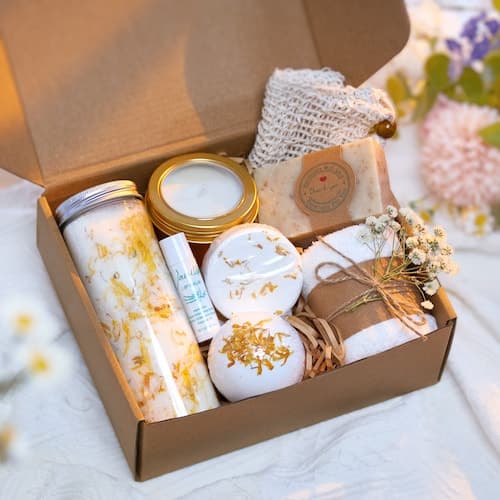
Do Bath Bombs Do More Than Color and Scent?
A January 6, 2026 online thread asked whether bath bombs deliver skin benefits beyond fizz, color, and fragrance, prompting a mix of practical answers and safety notes from users. The conversation highlights what to look for in ingredients, which products may feel more nourishing, and potential irritation or residue issues consumers should watch for.

An online poster wrote that a full-size bath bomb gifted at Christmas fizzed, dyed the water "a bright, unusual color" and smelled nice, but otherwise delivered little sensory benefit. That simple question, are bath bombs supposed to do more than smell nice and color the water?, sparked a broad, practical reply thread on January 6, 2026 and reopened common consumer questions about performance, safety, and ingredient expectations.
The most direct take in the thread boiled the issue down to water chemistry: "They are a form of water softener. That is all." Many other contributors concurred that color and scent are the primary appeal for most commercial bath bombs, while a subset of brands and DIY recipes include butters, oils or salts that can change how the skin feels after a soak. Commenters pointed to examples such as Lush 'Butterball', noted for visible cocoa butter pieces, as an instance where a product can leave a more noticeable skin-softening effect.
Practical implications are clear for anyone who buys or gifts bath bombs. Ingredient lists matter. Cosmetic-grade pigments account for the dye effect; butters and carrier oils are what add measurable skin conditioning. Epsom salts or magnesium sulfate act differently, targeting muscle relief rather than moisturization. Conversely, some formulations leave tub residue or a film that users may interpret as oil or irritation, and at least one contributor raised concerns about urinary tract irritation after baths with fragranced or additive-heavy products.
For everyday users, the community advice translates into a few straightforward checks: inspect the ingredient list for cocoa butter, shea, plant oils or salts if you want skin or muscle benefits; expect fizz, scent and color alone if those ingredients are absent; and be cautious with heavily fragranced or pigment-heavy bombs if you have sensitive skin or a history of irritation. If you are prone to UTIs or recurrent irritation, consult a healthcare provider before trying fragranced bath products.
This conversation matters because bath bombs remain a popular, giftable product at mainstream and indie price points, and buyer expectations are mixed. The thread underlines that while many bath bombs are primarily whimsical, designed to color and scent a bath, some formulations genuinely contribute moisturizing or muscle-relief effects. Read labels, set realistic expectations, and pick products that match the outcome you want from a soak.
This article was produced by Prism’s automated news system from verified source data, official records, and press releases, then run through automated quality and moderation checks before publishing. The system is built and supervised by the people who set the standards it runs under. Read our full AI policy.
Did this article answer your question?