Easy Homemade Bath Bombs Need Just Pantry Staples and 10 Minutes
You can make a fizzy bath bomb from pantry staples in about 10 minutes, and the real test is whether the kitchen-ingredient version still feels worth using.
Why this pantry version works
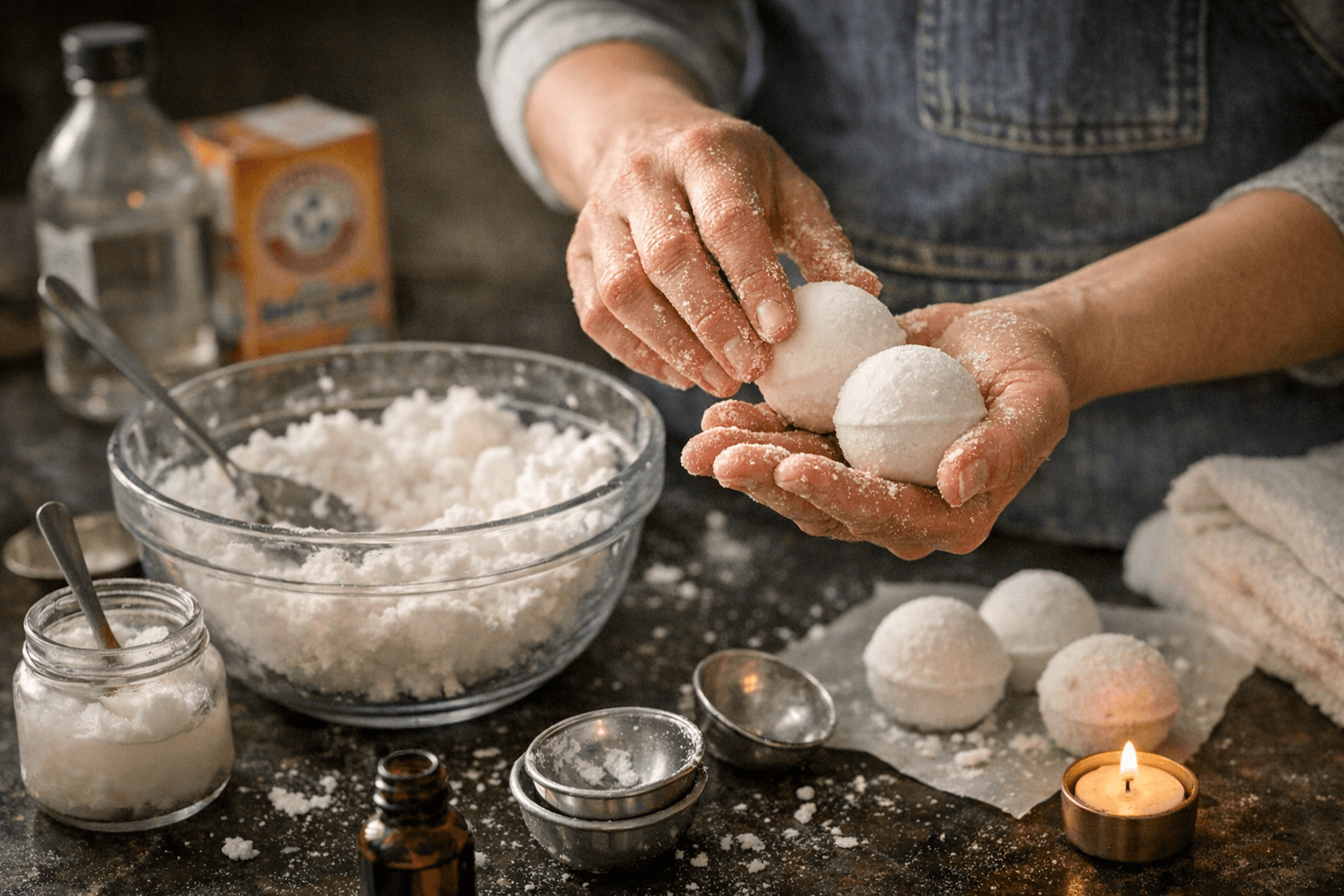
The best thing about this bath bomb formula is how little it asks from you. Wendy Glancy leans into the low-barrier appeal: citric acid, baking soda, light oil, and cornstarch are enough to build a bath bomb that feels like a real treat, not a craft-store project that eats your afternoon. The recipe promises about 10 minutes of prep, roughly 8 hours of drying time, and a yield of 8 large bombs, which makes it easy to see why this kind of DIY keeps winning people over.
That simplicity is the point. You are not chasing a boutique spa formula here; you are making a reliable, repeatable bath bomb with ingredients that already make sense together. The dry mix follows the standard structure used in educational chemistry examples, and that matters because the fizz is not magic. It is the acid-base reaction doing its job when water hits the bomb.
The chemistry behind the fizz
Bath bombs work because citric acid reacts with sodium bicarbonate, better known as baking soda, and releases carbon dioxide gas when water is added. That gas is what gives you the familiar fizz and the quick burst of movement in the tub. Keep the ingredients dry until the last possible moment, because moisture in the bowl is what starts the reaction early and ruins the batch.
That is also why the recipe starts with thoroughly mixing the dry ingredients by hand. A fork or whisk is enough, and the method reinforces the most important beginner lesson: if the dry ingredients are not evenly blended, you will get uneven fizz and patchy bombs. A good bath bomb should feel consistent all the way through, not dense in one corner and dusty in another.
What you need, and what you do not
This is one of those crafts where the equipment list is refreshingly ordinary. A large mixing bowl, a fork or whisk, and molds are enough to get moving. Muffin tins, plastic Easter eggs, and silicone shapes all work, which is part of the charm if you are making a few for gifts, a seasonal batch, or just to stock your own bathroom shelf.
The ingredient list stays equally stripped down. Citric acid and baking soda do the heavy lifting, cornstarch helps with texture, and light oil brings the mixture together. Optional food coloring and scented oil let you customize the batch, but the base formula does not depend on them. That is useful if you want a dependable bomb first and a prettier one second.
How to make a bath bomb without wrecking the batch
Start by combining the dry ingredients completely. That first step sounds basic, but it is where a lot of beginner batches go wrong. If the citric acid and baking soda are not distributed evenly, the bombs can fizz unevenly or fall apart in sections.
Once the dry mixture is smooth, add the light oil slowly so the mix holds together without getting wet. The sweet spot is a blend that packs like damp sand and stays together when squeezed, but still feels dry enough to avoid triggering the fizz in the bowl. If you rush this part, you usually end up with one of two failures: crumbly bombs that will not hold their shape, or over-wet bombs that start expanding before they ever reach the mold.
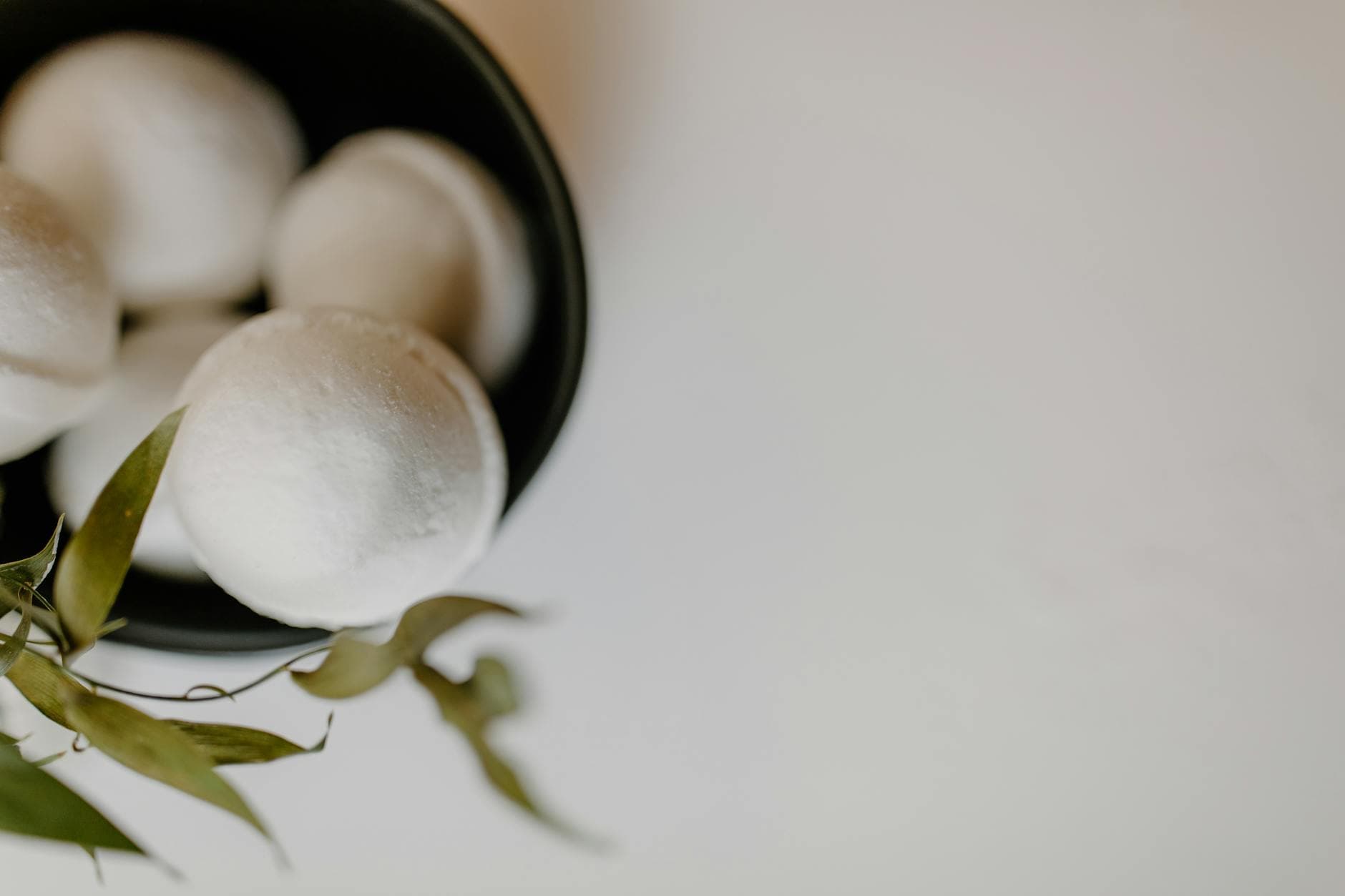
Pack the mixture firmly into your molds and let it dry for about 8 hours. That drying window is what turns a loose kitchen blend into something that can survive handling, storage, and a real bath. If you unmold too early, the bomb may look finished but collapse in your hand the moment you move it.
Beginner mistakes that waste a good batch
The biggest rookie mistake is adding liquid too quickly. A few drops too much can kick off the reaction early and leave you with a half-fizzed bowl instead of a finished bath bomb. The second mistake is assuming every color or scent upgrade is harmless just because it sounds natural.
Fragrance also deserves respect. The FDA treats products marketed to consumers as cosmetics when they are intended to be applied to the body to make the person more attractive, and cosmetics sold at retail must carry an ingredient list. That is the real-world reminder behind a craft like this: once you make bath bombs for gifting or selling, they stop being just a fun kitchen experiment and become cosmetic products with labeling and safety responsibilities.
Skin comfort is part of the equation
Bath bombs may be popular, especially with kids, but dermatology sources are clear that they can be rough on sensitive skin. Even ingredients that sound gentle can trigger itching, dryness, or irritation in people with eczema or fragrance allergies. WebMD and Cleveland Clinic both flag that issue, and the warning gets sharper when you start adding essential oils, glitter, dyes, or stronger fragrance blends.
Essential oils are not automatically skin-safe just because they are plant-based. In sensitized people, they can cause allergic contact dermatitis, which is a much fancier way of saying your relaxing bath became an uncomfortable one. If your skin tends to react, the smartest version of this recipe is the plainest one: fewer add-ins, lighter scent, and a simpler finish.
Why this humble craft keeps selling
Bath bombs are not a tiny niche anymore. Market research firms estimate the global bath bomb market at about $1.38 billion in 2024, with one forecast projecting growth to roughly $2.49 billion by 2034 at a 6.2% CAGR. That scale helps explain why a pantry-friendly recipe still hits: people want low-cost self-care that feels a little indulgent without requiring a full beauty-haul commitment.
The appeal is easy to understand when you make the first batch yourself. You start with kitchen staples, mix for about 10 minutes, wait for the drying time, and end up with 8 large bombs that look and smell far more expensive than they are. The trick is not perfection. It is control: enough moisture to hold shape, enough dryness to fizz properly, and enough restraint to keep the skin-friendly version from turning into an overdone fragrance project.
That is the real value of this formula. It proves bath bombs do not need a specialty setup to feel satisfying, and it gives you a practical way to make something that works in the tub instead of just looking good on the counter.
This article was produced by Prism’s automated news system from verified source data, official records, and press releases, then run through automated quality and moderation checks before publishing. The system is built and supervised by the people who set the standards it runs under. Read our full AI policy.
Did this article answer your question?