Eco-Friendly Bath Bombs: When to Remove Plastic Wrap and Better Alternatives
Plastic wrap on a bath bomb belongs in the trash, not the tub — here's exactly when to remove it and which eco-friendly alternatives actually protect your fizz without the waste.
Every bath bomb maker eventually fields the same question from a first-timer: "Do I just... drop the whole thing in?" It sounds obvious until you watch someone toss a shrink-wrapped bomb straight into the tub and wonder why nothing's happening. The plastic wrap question is genuinely worth addressing head-on, and the packaging alternatives conversation is even more interesting for anyone committed to running a greener operation.
Why Plastic Wrap Is On There in the First Place
The plastic on a bath bomb serves a few distinct purposes: it prevents color from staining your hands during handling, and it helps keep the bomb structurally intact so it doesn't fall apart before you use it. Beyond that, the wrap acts as a barrier against moisture, which directly impacts fizziness and performance. In humid environments especially, keeping the plastic on ensures the bath bomb retains its integrity right up until it hits water. It also seals in fragrance, preventing the scent from dissipating prematurely and ensuring the full olfactory impact lands when the bomb meets the bath.
So the plastic is doing real work during storage and transit. That doesn't mean it belongs in your tub.
Yes, Remove It — Every Single Time
Once you've got the bath bomb to the bath intact, there's no reason to keep the plastic on. More importantly, plastic wrap is not biodegradable or water-soluble, so it will just end up floating around in your bathtub while you're trying to relax.
The performance hit is real too. With plastic on, water struggles to reach the bath bomb fast enough, which slows the chemical reaction between sodium bicarbonate and citric acid. When water contacts those two ingredients, it creates carbon dioxide — which is what produces all the bubbles and colored foam. Leave the wrap on and you're throttling the very reaction you paid for.
The color will be prevented from fully dispersing in the water, and you also run the risk of adding bits of plastic to your bathtub. On top of that, you'll miss all the fizzy fun the bath bomb has to offer.
How to Remove It Cleanly
Most commercial bath bombs have a seam you can split open by hand. If you find that your bath bomb doesn't have a seam, or the seam won't give way, use a pair of scissors. Carefully cut a small nick in the edge of the plastic wrapper and you should be able to peel it away from that point. Once it's off, place the bath bomb under the water stream as you fill your tub for maximum bubbles.
The Real Problem: Plastic Wrap Is an Environmental Mess
Here's where it gets worth paying attention to if you're making bath bombs yourself. Most recycling centers don't accept polyolefin shrink wrap, especially if contaminated. While these plastics are marketed as more eco-friendly than their predecessors, plastic products on the market today are still made with petroleum-based chemicals.
The good news is that it's not actually necessary to wrap bath bombs in plastic shrink wrap at all. The main reasons people reach for it are moisture protection and fragrance lock-in — both of which can be handled with better materials.
Eco-Friendly Packaging Alternatives That Actually Work
The range of plastic-free options has expanded significantly, and most of them perform just as well for small-batch makers and sellers alike.
- Kraft paper: Kraft paper is a recyclable and biodegradable material made from unbleached wood pulp that works for wrapping individual bath bombs, creating pouches, and making boxes. It's a design-forward option that reduces environmental footprint while keeping an earthy aesthetic.
- Biodegradable tissue paper: Wrapping your bath bomb in biodegradable, compostable tissue paper keeps contents packed tightly together and prevents rubbing against the sides of a box. It also adds an element of excitement when the customer opens the packaging.
- Fabric pouches: Fabric pouches made from cotton or similar materials can be closed with string and offer a rustic, environmentally friendly alternative to plastic packaging. These work especially well for gift sets and market stalls.
- Cellulose film and compostable sleeves: Options like cellulose film, paper wraps, or compostable sleeves offer the same freshness-sealing benefits as shrink wrap without harming the environment. Moisture can ruin a bath bomb, but that doesn't mean you need plastic.
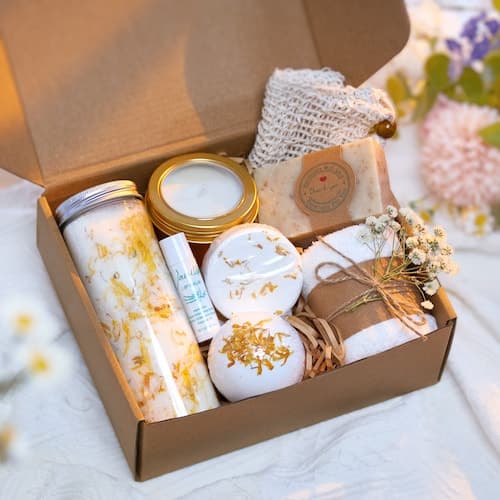
- Cardboard boxes: Boxes are a great eco-friendly packaging choice, as they are recyclable and sometimes compostable. For paper-based box packaging, aim for a 16pt or higher paperweight to ensure protection. Too thin a paperweight will fail to keep the bath bomb safe if it's dropped.
- Molded pulp trays: Molded pulp trays hold bath bombs securely while reducing waste, and they pair well with biodegradable film wraps to add a layer of protection.
A Note on "Naked" Bath Bombs
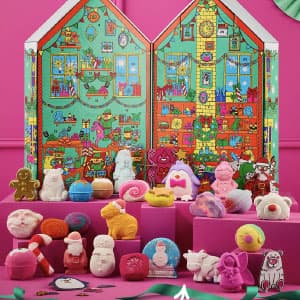
If you walk into any Lush store, you'll see that their bath products — including shampoo bars, soap bars, and bath bombs — are sold "naked." If you live in an especially humid environment or are worried about moisture during shipping, there are products marketed as biodegradable shrink wrap for bath bombs worth exploring.
Selling or gifting naked bath bombs is a legitimate path, but it demands attention to storage. The good rule of thumb is to always store bath bombs in dry places so they don't come out mushy by the time they're used. Adding clay or cornstarch to your recipe helps absorb ambient moisture, and storing in cool, dry locations away from direct sunlight extends shelf life considerably. Silica gel packets in storage containers are another practical addition.
Putting It Together
The plastic wrap question has a simple answer: always remove it before the bomb hits the water, and use scissors if the seam won't cooperate. The packaging question is more nuanced, but the direction is clear. There's a genuine rise in bath bomb makers moving to compostable or biodegradable packaging, allowing customers to enjoy their bath bombs without contributing to plastic waste. Whether you're wrapping a single bath bomb for a friend or scaling up for a small business, the eco-friendly options are durable, affordable, and in most cases more visually distinctive than a plain shrink-wrap job anyway. The fizz doesn't care what it's wrapped in — but the planet does.
This article was produced by Prism’s automated news system from verified source data, official records, and press releases, then run through automated quality and moderation checks before publishing. The system is built and supervised by the people who set the standards it runs under. Read our full AI policy.
Did this article answer your question?