EU fragrance allergen deadline forces bath bomb label updates by 2026
The EU’s bath bomb label clock is ticking: fragrance-heavy products need a full allergen review before 31 July 2026, or old packaging stops passing.
Bath bomb labels built around the old fragrance-allergen list stop being enough on 31 July 2026. That is when the transition period under Regulation (EU) 2023/1545 ends for cosmetic products placed on the EU market.
What the EU deadline actually changes
The core change sits in Annex III of the EU cosmetics rules: more fragrance allergens now have to be named individually on pack, and some existing entries changed as well. The move expands the long-standing 26-allergen list to 82 substances, although some 2026 guidance counts it as 81 or 80-plus because of later corrections and grouping differences.
Cosmetic products that were relying on the old allergen list can stay on the Union market only until that deadline, which makes it a real cutoff for packaging, artwork, and label approvals.
Why bath bombs are the easiest products to miss
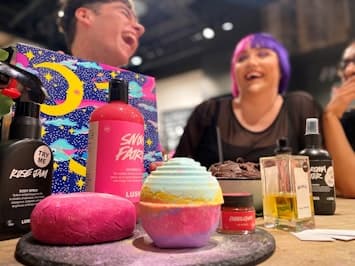
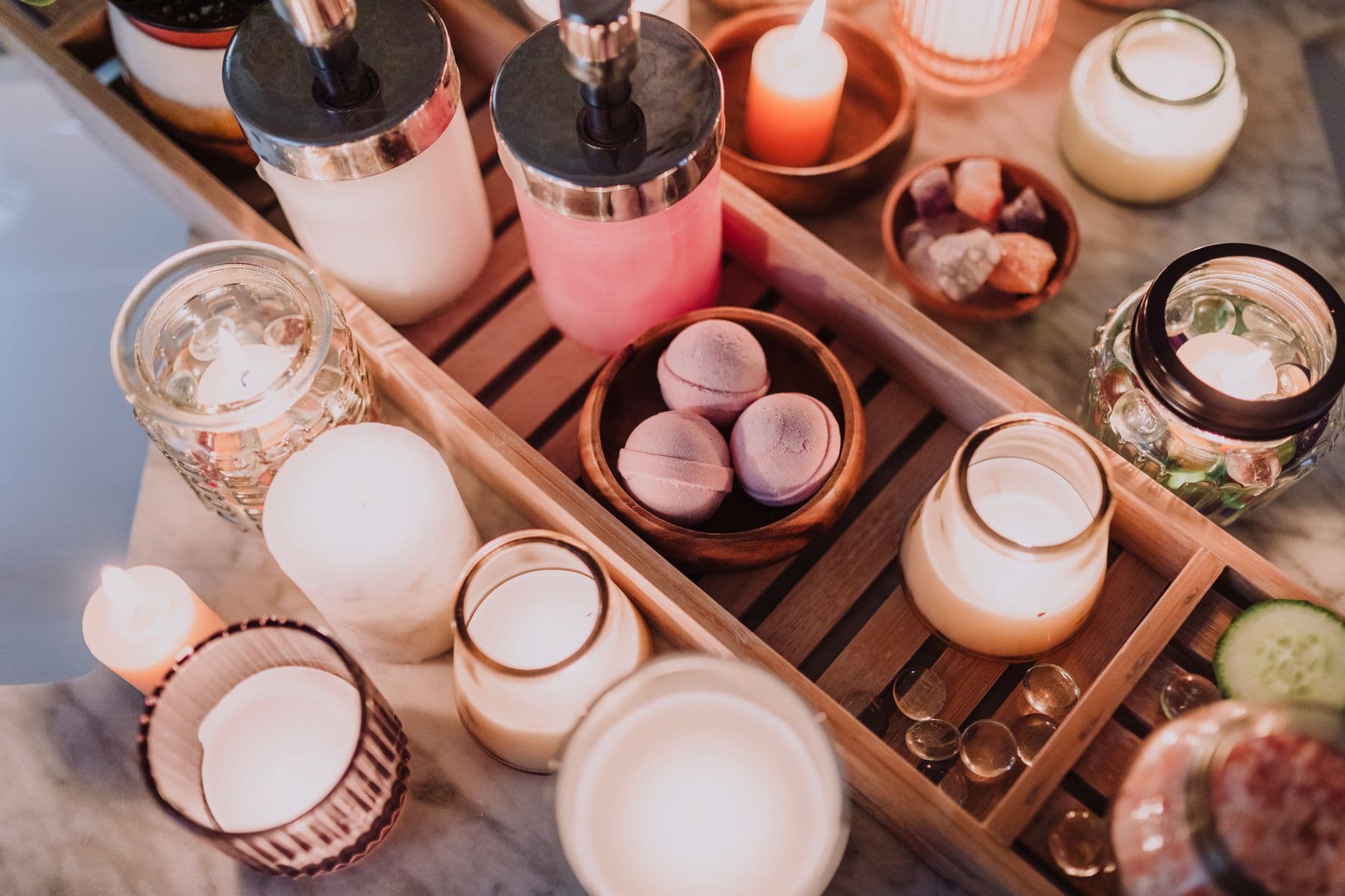
Bath bombs sit in the danger zone because they are fragrance-heavy rinse-off cosmetics. That means they often contain essential oils, perfume compounds, and decorative scent blends that can trigger individual allergen disclosure even when the finished product looks simple on the shelf. A berry-scented bomb or a spa-style lavender blend can hide a lot of label work behind one fragrance story.
The brands most likely to get caught late are the ones with preprinted packaging, multiple scent variants, or multilingual EU labels. If your artwork is already locked, your supplier has changed a fragrance blend, or you sell private-label runs with the same front pack across several markets, you are the type of business that discovers too late that the back panel no longer matches the formula. Bath bombs sold on scent and experience need tight alignment between marketing language and ingredient disclosure.

The key numbers to check
Under the EU cosmetics rules, fragrance allergens must be listed when they exceed 0.01% in rinse-off products and 0.001% in leave-on products, and bath bombs generally fall into the rinse-off category.
The label question also depends on how detailed your formula records are. If your supplier documentation only shows a fragrance oil name and not the allergen breakdown, you cannot really tell whether the finished bath bomb crosses the disclosure threshold.
Your practical compliance checklist
1. Audit every bath bomb SKU by fragrance, not just by product name.
The same base formula with three different scents can trigger three different allergen disclosures.
2. Pull the supplier documentation for every fragrance oil, essential oil, and blend.
You need the allergen breakdown, not just the marketing name on the invoice.
3. Map each allergen against the updated EU list and check the threshold for rinse-off products.
The old 26-allergen checklist is not enough for a July 2026 sell-through plan.
4. Reconcile formula, pack copy, and translations before you print.
Multilingual labels are where small mismatches become expensive, especially if you sell across more than one EU market.
5. Decide early whether the fix is new artwork, stickers, or over-labeling.
The right answer depends on your packaging stock, your print lead times, and whether you can keep the consumer-facing claim consistent with the new disclosure.
6. Revisit your Cosmetic Product Safety Report if the fragrance profile has changed.
If the formula changed, the safety file and the label should not be treated as separate jobs.
Why the rule keeps moving under your feet
The list did not stay frozen after brands started mapping it. A correction published on 13 November 2025 introduced technical adjustments to three ingredients in the new allergen list. The spreadsheet you built earlier in the process may need a second pass before you sign off final packaging.
Regulation (EU) 2023/1545 was adopted on 26 July 2023 and entered into force on 16 August 2023, so the compliance window has been open for years.
This article was produced by Prism’s automated news system from verified source data, official records, and press releases, then run through automated quality and moderation checks before publishing. The system is built and supervised by the people who set the standards it runs under. Read our full AI policy.
Did this article answer your question?