How bath bombs fizz, ingredients and history behind the DIY staple
Bath bombs only work when water, fragrance, and powder stay in balance. The real beginner lesson is how to keep the batch from crumbling, fizzing early, or irritating skin.
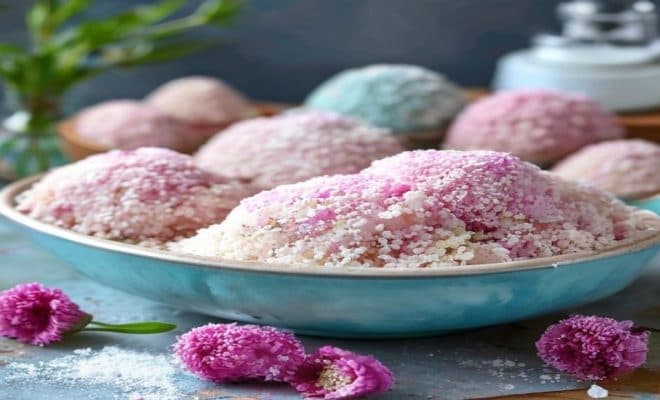
A bath bomb looks easy until the batch crumbles, fizzes before it hits the tub, or comes out so heavily scented that it stops feeling soothing. The best ones are a small chemistry project with spa ambitions, which is why first-time makers keep running into the same problems: too much moisture, weak fizz, and fragrance that overwhelms the mix.
What makes the fizz happen
The signature bubbling comes from an acid-base reaction between sodium bicarbonate, better known as baking soda, and citric acid. When water is introduced, the reaction releases carbon dioxide gas, which creates the fizz, along with sodium citrate and water. That is the whole trick at the center of the category, and it is why bath bombs can look simple while still being surprisingly sensitive to the exact balance of ingredients.
Many recipes also add cornstarch or arrowroot powder. Those ingredients are not there for drama; they help with texture and can make the finished bomb hold together better. For anyone who has watched a pretty molded sphere turn to dusty rubble, that extra dry structure can matter as much as the sparkle on top.
The ingredient list that actually does the work
The classic bath bomb formula is built around a few specific jobs. Baking soda is the base. Citric acid drives the reaction. Epsom salt is often added for its familiar therapeutic reputation. Essential oils bring scent and a mood-lifting feel. Food coloring gives the bath bomb its visual appeal, and water acts as the binder that lets everything pack into a mold.
That last ingredient is the one that causes the most trouble. Too much liquid can trigger premature fizzing before the mixture ever reaches the tub, and excess moisture can leave finished bombs crumbly instead of firm. High humidity creates the same headache, which is why so many troubleshooting guides for bath bomb makers focus less on decoration and more on keeping the mix dry until the very end.
For first-time makers, the most useful habit is restraint. Add only enough moisture for the mixture to hold shape, not enough to start the reaction early. The goal is a packed mixture that feels like damp sand and keeps its form under light pressure, not a wet paste that begins to bubble in the bowl.
A practical beginner’s checklist looks like this:
- Keep the dry ingredients fully blended before adding any liquid.
- Add water slowly, because the reaction starts as soon as the powders get too wet.
- Work in a low-humidity space if possible.
- Use fragrance lightly at first, since stronger scent is not the same thing as better performance.
- Let the mold do the shaping instead of trying to force extra moisture into the mix.
The tools are basic, but the measuring matters
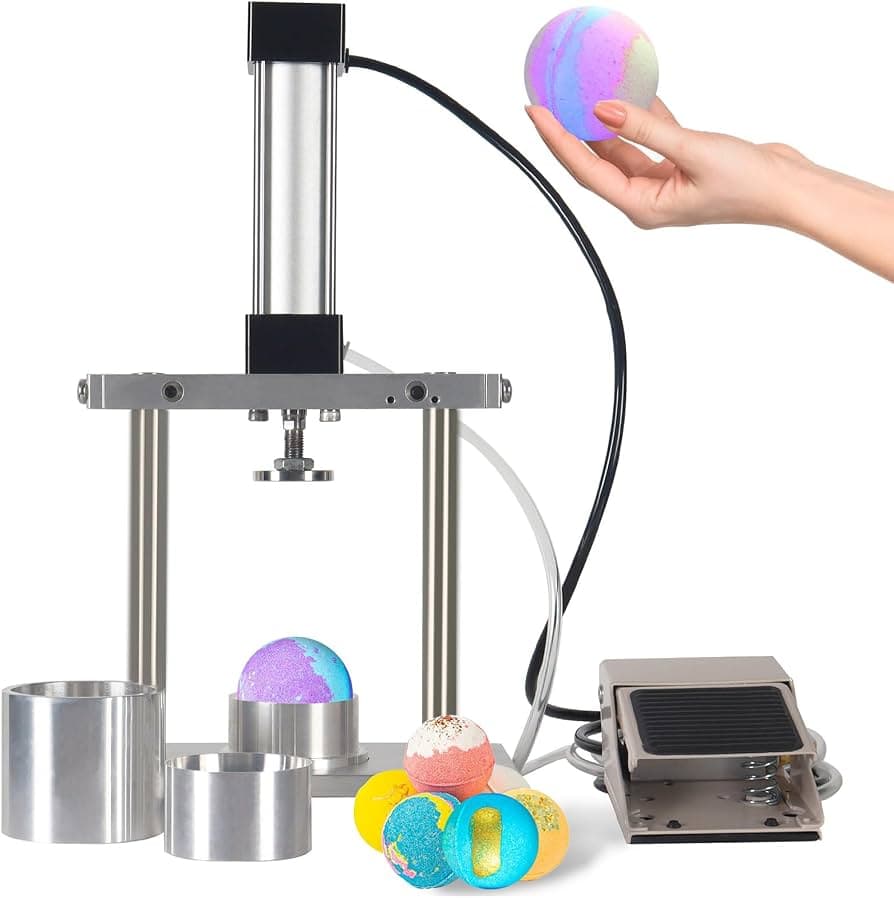
Bath bomb making does not require special equipment. A mixing bowl, a whisk or spoon, bath bomb molds, and measuring cups and spoons are enough to get started. That low barrier is part of the appeal: the project feels accessible, but it still rewards care and consistency.
That is also where many beginner recipes fall short. A page that only lists ingredients without explaining how to keep them balanced misses the part that actually decides whether a batch works. The real value is in the troubleshooting, because the hobby is less about memorizing a formula than learning how the ingredients behave together.
From a garden shed to a DIY staple
The modern bath bomb story is tied to Mo Constantine and Lush. Lush says Constantine created the first bath bomb in 1989 in a garden shed in Dorset, England, and that the company was first awarded the bath-bomb trademark on April 27, 1990. Lush later launched as a company in 1995, turning a homemade idea into one of the most recognizable products in the self-care aisle.
That history helps explain why bath bombs still sit comfortably between craft project and consumer product. They borrow from the old ritual of bathing as relaxation, but their modern identity comes from a very specific DIY invention. The category has stayed popular because it offers a quick payoff: a plain bath becomes more fragrant, more colorful, and more performative in a matter of seconds.
Safety and troubleshooting before the scent gets out of hand
The cleanest-looking bath bomb is not automatically the safest one. Bath bombs can irritate sensitive skin and may cause redness, itching, or rash. That risk rises when fragrance is handled carelessly, especially with essential oils that are not properly dispersed.
The FDA notes that essential-oil products may be marketed with aromatherapy claims about improving well-being or treating health problems, but those claims do not necessarily mean the product delivers those results. The Tisserand Institute adds another practical warning: when essential oils are mixed with water without a dispersing agent, undiluted droplets can cling to skin and increase the chance of irritation. In other words, over-fragrancing is not just a cosmetic mistake, it can turn a bath bomb from playful to uncomfortable.
WebMD’s consumer guidance points to the same basic reality from a skin-care angle: even large, polished bath-bomb brands are not always transparent about every ingredient, and sensitive skin can react to what seems like a harmless soak. That is why the best beginner advice is not to chase the strongest scent or the brightest color. It is to make a bomb that holds together, fizzes when it should, and stays gentle enough to use without second-guessing the bath.
The strongest bath bomb guides understand that difference. They do not stop at the recipe card. They show how to keep the mix dry, how to measure with care, how to avoid a batch that fizzles too early, and how to keep fragrance from becoming the thing that ruins the soak. That is what turns a cute DIY project into a bath bomb that actually works.
This article was produced by Prism’s automated news system from verified source data, official records, and press releases, then run through automated quality and moderation checks before publishing. The system is built and supervised by the people who set the standards it runs under. Read our full AI policy.
Did this article answer your question?