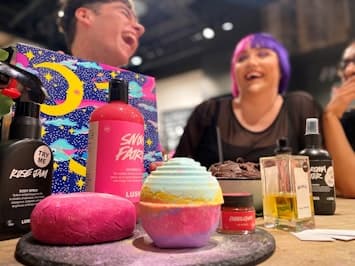
How Lush invented the modern bath bomb in a Dorset shed
Mo Constantine’s 1989 shed experiment became the bath bomb template makers still copy, and April 27 now marks World Bath Bomb Day.

The modern bath bomb did not start as a polished retail hit. It started in a garden shed in Dorset, England, where Mo Constantine pressed citric acid, sodium bicarbonate, and essential oils into a small press and turned a simple mixture into a fizzing sphere. That one makeshift build became the format the bath bomb world still recognizes, and it is why April 27 carries real weight for anyone who follows bath bomb culture.
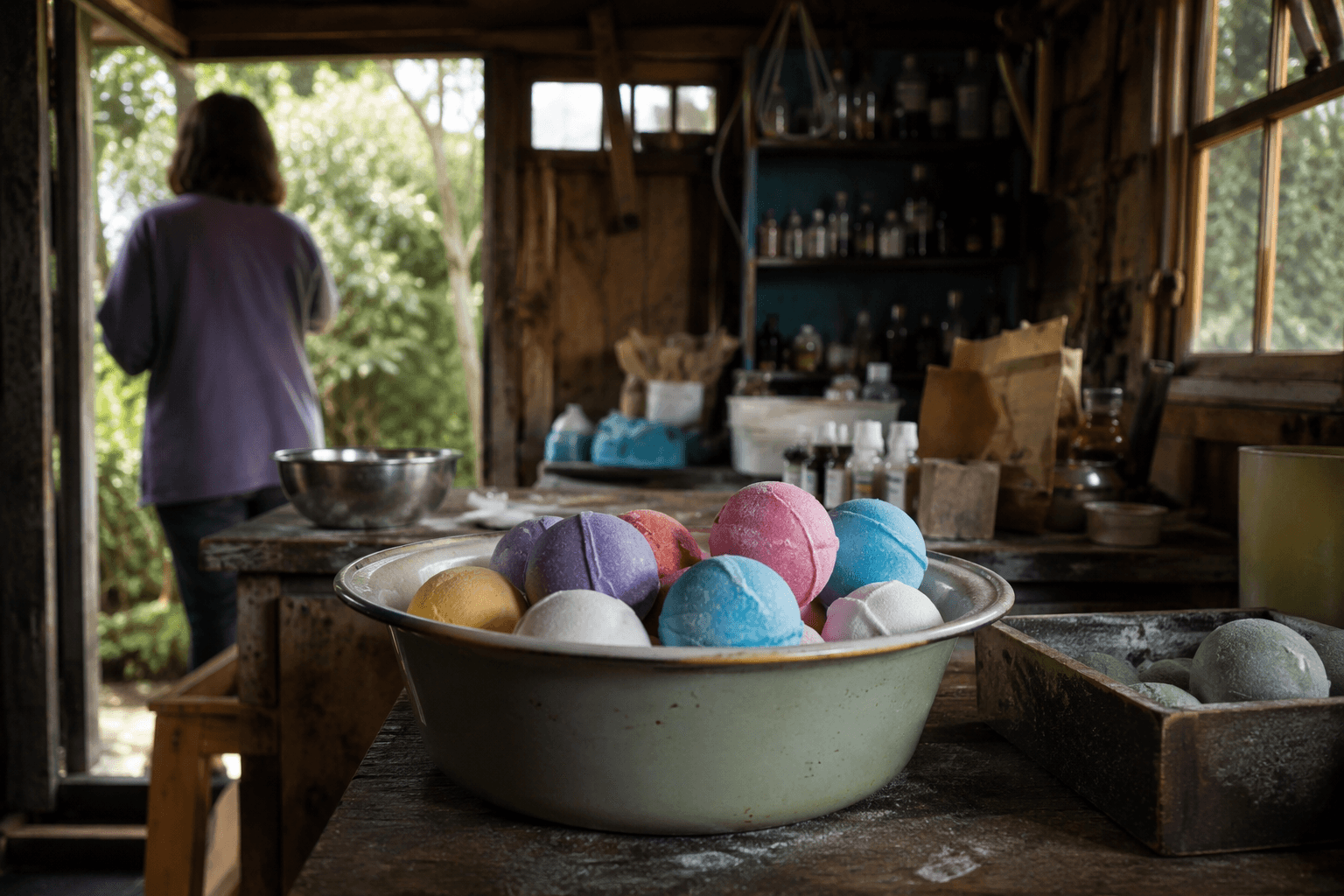
The Dorset shed where the format was born
Lush says Mo Constantine invented the modern bath bomb in 1989, and the setting matters as much as the formula. A garden shed is a far cry from a lab, which is part of why the story still lands with makers and collectors: this was a handmade object first, not a mass-market concept. The original press-out method gave the product its shape, while the mix of citric acid, sodium bicarbonate, and essential oils gave it the sensory hit that made the format worth repeating.
That origin story explains why bath bombs were more than a novelty. Once the sphere, the fizz, and the fragrance worked together, the object became easy to recognize and even easier to imitate. Lush has kept returning to that shed-era image in its brand storytelling because it is the clearest way to show where the category came from and why the company still treats the bath bomb as one of its defining products.
Why the original formula still matters
If you make bath bombs or buy them with a collector’s eye, the core lesson from the Constantine story is that the formula is part chemistry and part shaping. Citric acid and sodium bicarbonate are the backbone, while essential oils carry the scent profile that gives the finished bomb its identity in the bath. The small press is not just a historical detail either, because it marks the moment the mixture stopped being loose powder and became a product you could recognize on sight.
That is also why the original invention still gets referenced so often in the handmade cosmetics world. Bath bombs sit at the intersection of craft, scent, and showmanship, and the Lush origin story shows that all three were built into the format from the start. The category has since expanded into countless variations, but the basic expectation remains the same: drop it in water, and it should deliver color, fragrance, and that unmistakable fizz.
April 27 became the bath bomb date
The trademark side of the story is what turns a clever invention into a date people can circle. Lush says it was first awarded the bath bomb trademark on 27 April 1990, and the company now marks that day as World Bath Bomb Day. That detail matters because it shows the product did not just spread by imitation, it became a branded category with its own annual moment.
By the time the date was being celebrated as World Bath Bomb Day, bath bombs had already moved from one person’s shed experiment to a recognizable part of bath culture. Lush’s later brand materials describe bath bombs as a 37-year-old product line, which is a reminder of how long the format has been in circulation. The company also frames the bath bomb as a category-defining bathing product, not just one item in a crowded shelf of extras.
How World Bath Bomb Day became a fan event
World Bath Bomb Day is not just a heritage nod anymore. Lush used the occasion in 2022 to give away 100,000 bath bombs for the first-ever World Bath Bomb Day, which shows how a trademark date turned into a shareable fan moment. That kind of promotion does two things at once: it celebrates the origin story and pulls the product back into the present as something people line up for, post about, and build launches around.
Lush has also tied the date to new product activity, including campaigns centered on World Bath Bomb Day and a first-ever cold water bath bomb among 29 new products launching for the occasion. That matters because it shows how the anniversary has become a commercial platform as much as a heritage marker. The bath bomb is no longer just remembered as an invention from Dorset; it is used as a launch point for fresh products and a way to keep the category visibly alive.
Why the origin story still beats a generic DIY tale
What makes this story stick is not just that a bath bomb was invented, but that the invention is specific enough to explain the whole category. The shed, the press, the citric acid, the sodium bicarbonate, the essential oils, and the trademark date all line up into a clean origin for a product people still buy because they want the same fizzing payoff. That is why the bath bomb has stayed culturally legible while so many bath trends have come and gone.
The modern version may be commercialized, merchandised, and rolled into annual promotions, but the core image is still the same one from Dorset: a handmade sphere that starts with a simple press and ends with a tub full of fizz. That is the original bath bomb trick, and it is still the standard everyone is measuring against.
This article was produced by Prism’s automated news system from verified source data, official records, and press releases, then run through automated quality and moderation checks before publishing. The system is built and supervised by the people who set the standards it runs under. Read our full AI policy.
Did this article answer your question?