How to choose the best bath bomb manufacturer for your brand
The best bath bomb manufacturer is the one that keeps your formula consistent, your labels compliant, and your packaging ready for shipping. Once you’re selling at scale, craft logic stops working.
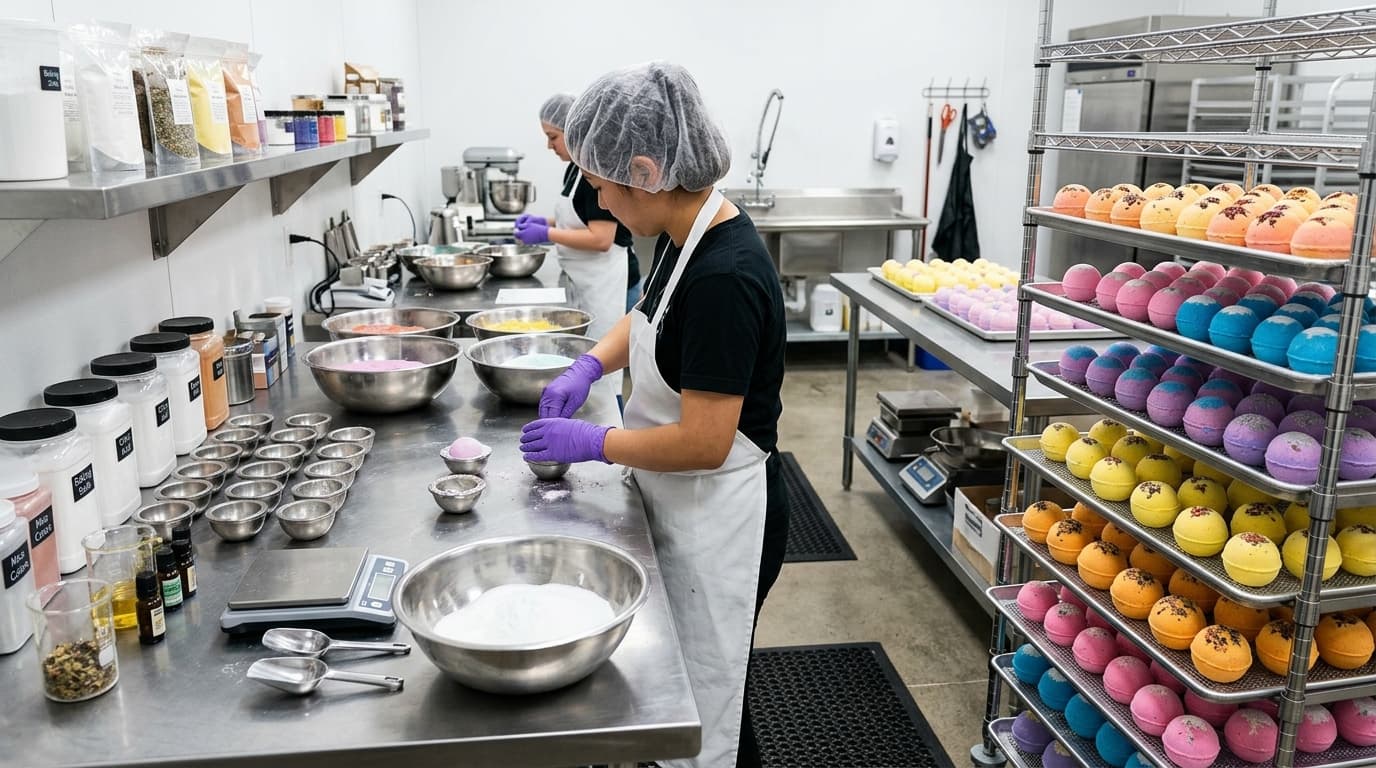
Once your bath bombs move from kitchen counter to cartons, the question changes fast. You are no longer looking for someone to simply pour and press; you need a production partner who can protect your formula, your packaging, and your brand promise.
What a real manufacturer should cover
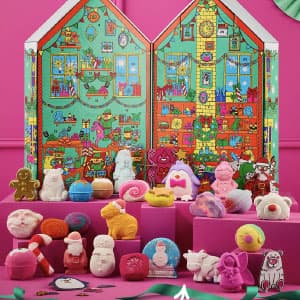
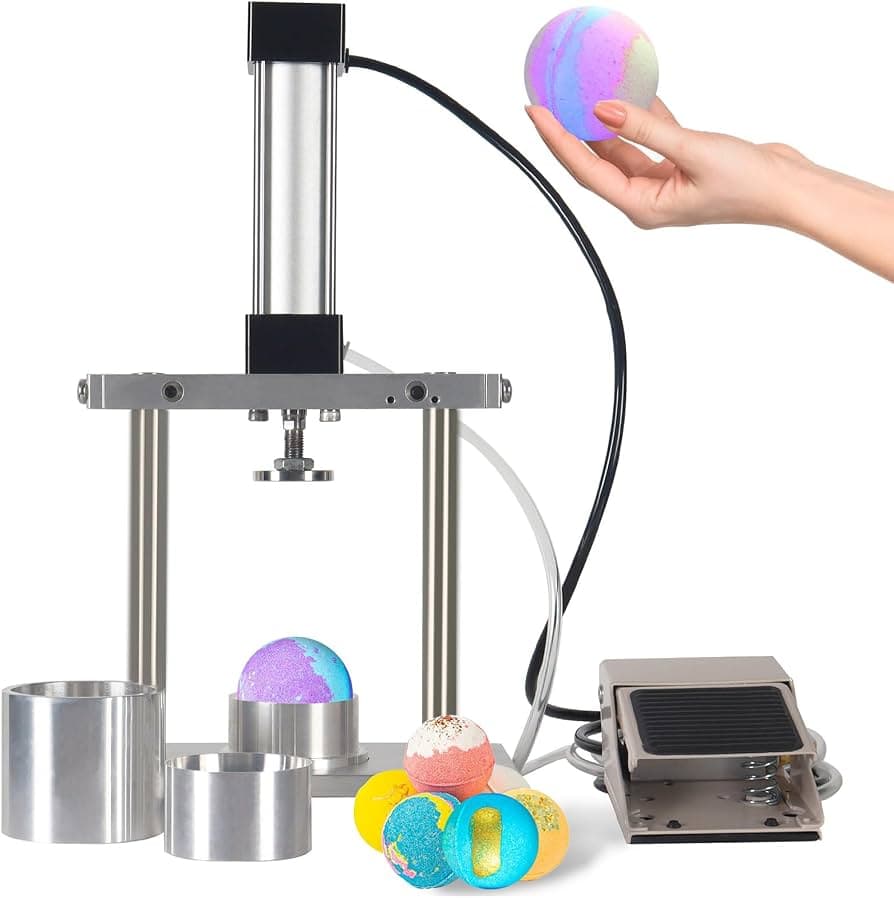
A bath bomb manufacturer does far more than fill molds. The better ones can handle formula development, ingredient sourcing, production, drying, wrapping, labeling, packaging, and bulk order preparation, because bath bombs have to survive shipping and still look shelf-ready when they arrive.
This is also where the distinction between a manufacturer, a supplier, and a wholesaler stops being jargon and starts affecting your margins and control. A manufacturer can often work with you on private label, formula ownership, and packaging flexibility; a supplier or wholesaler may simply move finished goods.
The buyer’s checklist: what to ask before you place an order
A bath bomb partner should be able to answer practical questions in plain language, not just show you pretty samples. Before you commit, ask for the minimum order quantity, who owns the formula, what quality checks are done, and what packaging support is included.
Here is the checklist that matters most:
- Minimum order quantity, and whether it fits your cash flow and storage space
- Formula ownership, especially if you plan to reformulate, scale, or move manufacturers later
- Quality testing, including how batch-to-batch consistency is checked
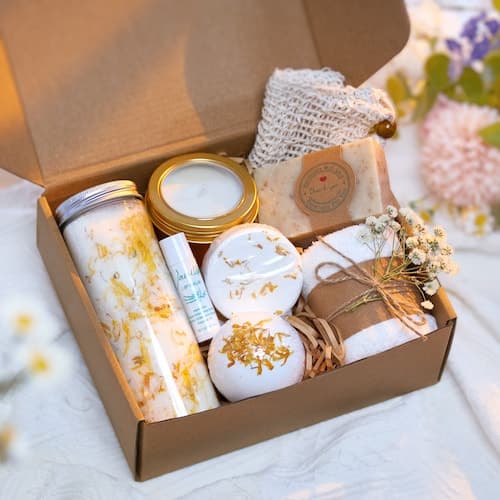
- Packaging support, from wrapping and labeling to bulk order prep and shelf presentation
- Private label versus white label options, so you know how much of the product is truly yours
- Ingredient sourcing, because the wrong ingredients can create inconsistency, clumping, or shipping problems
SBODi treats the manufacturer choice as one of the most important decisions for retailers, spas, ecommerce sellers, gift brands, and private-label bath businesses because the right partner shapes product quality, packaging, pricing, and how often customers come back.
Compliance is part of the sourcing decision, not an afterthought
In the United States, bath bombs sold as cosmetics fall under FDA cosmetics rules. Cosmetics marketed in the U.S. must comply with the FD&C Act, the Fair Packaging and Labeling Act, and FDA cosmetic regulations, and they must not be adulterated or misbranded. They also have to be safe under labeled or customary conditions of use, which means your manufacturer has to understand more than scent and color.
Labels generally need the product identity, the net quantity of contents, the name and address of the manufacturer, packer, or distributor, and required ingredient information. Intended use depends on claims, consumer expectations, and ingredients, so a bath bomb can drift toward drug territory if you start promising therapeutic effects.

Manufacturers and marketers are legally responsible for cosmetic safety and labeling.
Why packaging support can make or break the line
Bath bombs are highly visual, which is part of their appeal and part of their vulnerability. The product is often bought as a gift, an impulse purchase, or a color-forward social media find, so packaging has to do double duty: protect the bomb and present it well. Grand View Research put the global bath bomb market at USD 1,859.7 million in 2023 and projected it to reach USD 2,837.8 million by 2030, growing at 6.5 percent CAGR from 2024 to 2030.
In that report, Europe was the largest revenue-generating market in 2023, the U.S. held about 85 percent of market share, and specialty stores accounted for about 35 percent of distribution. A manufacturer who can only make the bomb but not support the package leaves you solving half the job yourself.
Read the recall stories as manufacturing lessons
Packaging and moisture control are not theoretical risks. On February 26, 2026, the U.S. Consumer Product Safety Commission recalled Surreal Brands LLC’s Tubby Tots Fizzy Flask Bath Magic bath foam sets after moisture trapped inside the container built pressure and ejected pieces when opened. The recall covered about 9,400 units in the U.S. and about 600 in Canada, and CPSC recorded three incidents and two injuries, including bruises, swelling, and a chipped tooth.
That recall involved bath foam sets rather than a standard bath bomb, but the lesson lands in the same place: drying, sealing, and shipping durability are production issues, not decorative ones. A manufacturer that understands shelf stability and moisture management addresses those risks before the product gets near a bathtub.
Private label versus white label is a strategic choice
If you are still selling like a crafter, white label can look tempting because it seems faster. But once you are trying to build a recognizable bath line, private label matters because it gives you more control over how the product is formulated, packaged, and positioned. SBODi distinguishes directly between white label speed and private label control.
Formula ownership, packaging flexibility, and order size all belong in the same conversation.
This article was produced by Prism’s automated news system from verified source data, official records, and press releases, then run through automated quality and moderation checks before publishing. The system is built and supervised by the people who set the standards it runs under. Read our full AI policy.
Did this article answer your question?