Indigenous women-led bath-bomb brands blend wellness, sustainability, and cultural identity
Indigenous women-led bath brands turn fizz into a fuller story, with Sisters Sage showing how ingredients, identity, and trust can outshine generic spa marketing.
A bath bomb is only the beginning
The global bath-bomb market is already big enough to make this story more than a niche craft note: one 2023 estimate put it at USD 1,859.7 million, with growth projected to USD 2,837.8 million by 2030. In Canada, a separate outlook says the category should pass USD 20 million between 2025 and 2030, which helps explain why makers are treating bath bombs as a serious brand play, not just a weekend project. In a marketplace feature published by IndigenousSME on April 16, 2026, that business reality is wrapped around something more specific: Indigenous women-led companies are using wellness products to sell story, sustainability, and cultural identity at the same time.
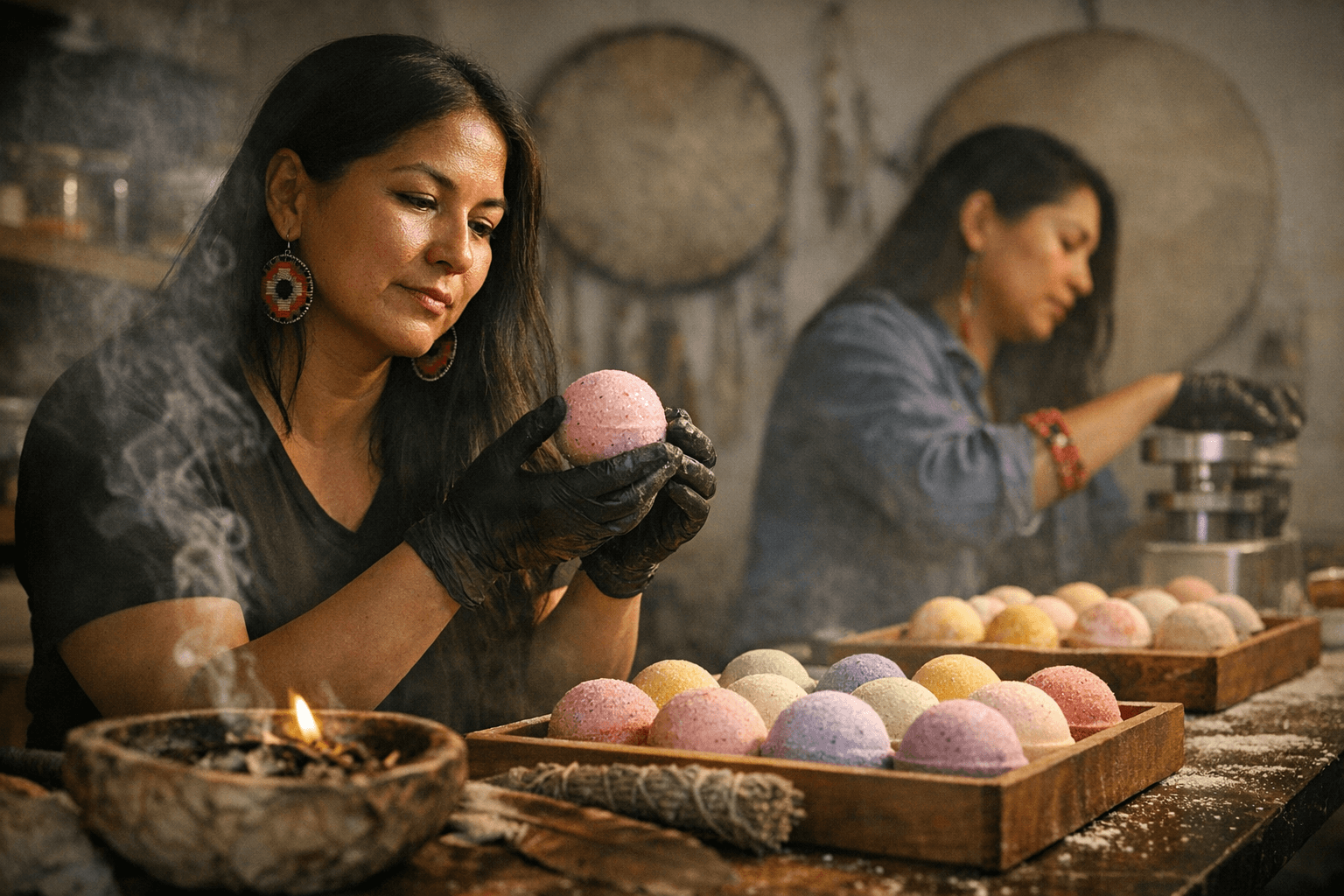
Sisters Sage is the clearest bath-bomb example in that feature. Founded in 2018 by Lynn-Marie Angus and Melissa-Rae Angus, the company is described as a Tsimshian-owned wellness brand based in Vancouver, BC, and its line includes soaps, bath bombs, salves, and smokeless smudge sprays. The brand says it uses First Nations knowledge and traditional ingredients such as sage, cedar, and sweetgrass, which makes the product lineup feel rooted in place and teachings rather than in generic spa language.
Why Sisters Sage reads like a maker-business case study
What makes Sisters Sage useful to bath-bomb readers is not just that it sells fizz. It shows how a small brand can differentiate itself with a much fuller set of signals: ingredient choice, cultural grounding, and a point of view about what the product is for. The marketplace feature places the company alongside other Indigenous women-led businesses in fashion, jewelry, baby clothing, and candles, which matters because it frames bath bombs as part of a wider handmade economy built on discovery and trust.
That matters even more when a bath-bomb brand opens a storefront. CityNews Vancouver reported in February 2024 that Sisters Sage opened an East Vancouver shop, where bath bombs were among the products sold and cedar soap was described as the company’s top seller. The scent lineup, which also includes sage and sea kelp, shows how a brand can build a recognizable sensory identity across categories. A bath bomb does not have to stand alone when the whole shelf tells the same story.
For makers, the lesson is simple: the strongest packaging is not only the outer wrap. It is the combination of product names, scent family, ingredient language, and the promise behind the brand. When cedar soap becomes the top seller, that is not just a sales note. It suggests buyers are responding to a coherent world, one that feels different from a standard lavender-and-oatmeal wellness table.
The origin story behind the product
Sisters Sage also stands out because its origin story is not polished into distance. CanadianSME reported that the sisters started the business after working in physically and emotionally taxing jobs, and Destination Vancouver added that Melissa-Rae Angus’s pregnancy and financial precarity helped push the launch forward. That kind of beginning changes how the brand reads. It is not a corporation adding a wellness line. It is a response to lived pressure, built into a business that now carries cultural meaning as well as revenue.
That pressure also helps explain the brand’s activist edge. Sisters Sage’s own materials say the company uses its platform to raise awareness of social issues and human-rights violations, which gives it a sharper identity than a purely decorative bath-label. Best Health reported that Lynn-Marie Angus criticized the appropriation of Indigenous culture through white-owned smudge-stick sales, and that complaint connects directly to the way the brand presents itself now. The message is not subtle: provenance matters, and so does who gets to package wellness for profit.
For bath-bomb makers, that is a powerful positioning lesson. If the story behind a product is about care, land, family, or community responsibility, the rest of the brand has to support that claim with consistency. The ingredient list, the sourcing language, the names on the label, and the way products are grouped all need to point in the same direction.
What the marketplace rewards
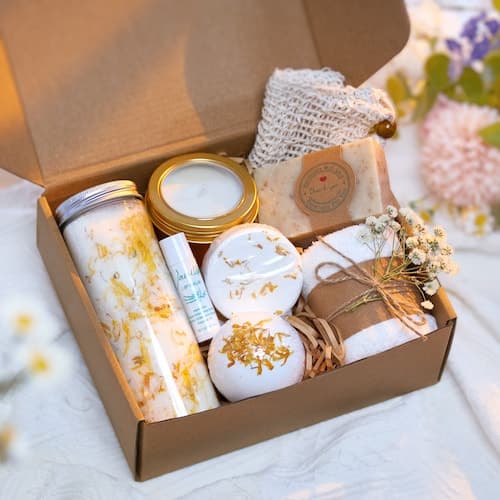
The marketplace feature does more than profile one company. It argues for a maker economy where sustainability, reciprocity, and community narratives matter as much as volume. That framing fits the bath-bomb category especially well because bath bombs are already tied to ritual, gifting, and self-care. Independent makers often sell them next to candles, salves, soaps, and home-fragrance items for exactly that reason: they bundle easily, photograph well, and travel from indulgence to gift box without much effort.
The category numbers back up that strategy. A market of nearly USD 1.86 billion globally leaves room for brands that do not look mass-market, and the projected rise to USD 2.84 billion by 2030 shows that demand is still expanding. In that kind of market, a brand that can explain where its ingredients come from and why it exists has a real advantage. The Canadian projection above USD 20 million suggests the same thing at a smaller scale: there is room for local identity, especially when wellness and sustainability are part of the pitch.
CBC coverage captured one of the clearest consumer arguments in the space when it quoted an Indigenous maker saying that supporting Indigenous business means money goes back into Indigenous communities. That is a buyer-trust statement as much as a values statement. It tells shoppers where their money lands, and it makes the purchase feel active rather than passive.
What small brands can borrow from this model
The best takeaway from Sisters Sage is not to copy the imagery. It is to copy the clarity. The brands that break through in this space tend to do a few things well:
- Make the ingredient story legible. Sage, cedar, and sweetgrass do more than smell good. They signal knowledge, lineage, and intent.
- Tie the product to a recognizable point of view. If a bath bomb sits beside salves and smokeless smudge sprays, the brand looks like a complete wellness practice, not a random product mix.
- Build for giftability and shelf coherence. The same visual language that works in an East Vancouver storefront can also work in online bundles and seasonal sets.
- Be explicit about values. Fair compensation, community benefit, and respect for cultural knowledge are not side notes in this market. They are part of the purchase decision.
That is why the broader visibility matters too. ELLE Canada and FASHION Magazine both spotlighted Indigenous-owned beauty brands in 2024, showing that this category has moved beyond specialty coverage. A 2025 profile in The Tyee added another layer by describing Lynn-Marie Angus as the sole employee and noting that she harvested some locally grown plants herself, a reminder that small-batch can be literal, hands-on work. BC Achievement and Indigenous Tourism BC have also highlighted the founders’ belief in building community, honoring culture, respecting the land, and inspiring future youth and female entrepreneurs.
For bath-bomb makers watching this space, the message is unmistakable. The winners are not the brands that shout the loudest about relaxation. They are the ones that make every fizzing sphere carry a clear origin, a visible ethic, and a story sturdy enough to travel from a storefront shelf to a gift box to a repeat order.
This article was produced by Prism’s automated news system from verified source data, official records, and press releases, then run through automated quality and moderation checks before publishing. The system is built and supervised by the people who set the standards it runs under. Read our full AI policy.
Did this article answer your question?