Inside Lush: How Bath Bombs Blend Activism, Theatre and Craft Culture
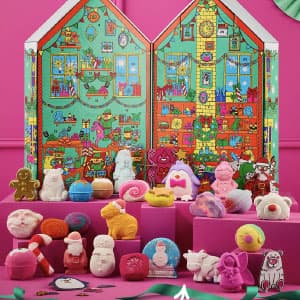
Lush has long positioned bath bombs as sensory products and cultural statements, mixing activism, theatrical in-store craft and limited-edition storytelling that hobbyists track for trends.
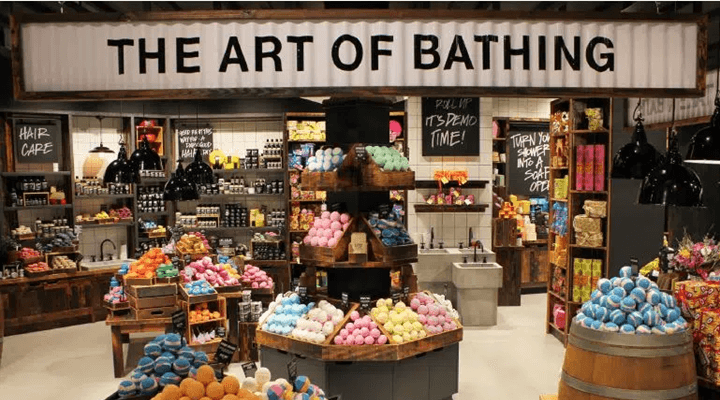
Lush has made bath bombs into more than fizzy bath treats; the brand uses them as a platform for activism, theatrical retail and craft-led product design. That approach, rooted in the company’s early mail-order experiments and run-by-hand operational lessons, now guides how limited runs, shop-front messaging and immersive events shape customer demand and community practice.
The company’s ethics-based strategy informs both product development and public-facing campaigns. Bath bombs arrive as part of campaign windows and collaborations that pair scent and visual spectacle with causes the brand supports. Those timed releases and theatrical bath-art products are designed to be shareable in-store and to provoke conversation rather than simply restock a permanent SKU. At the same time, Lush has pulled back from mainstream social platforms, leaning into physical theatre and local community engagements to sustain attention.
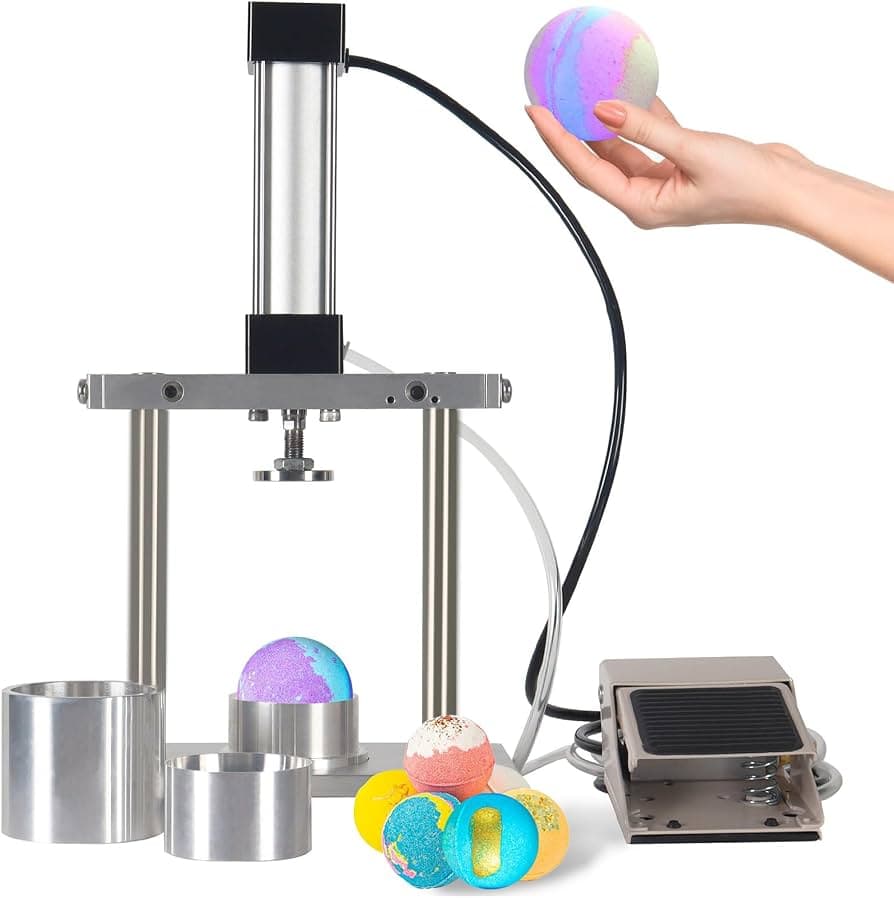
Founders including co-founder Rowena Bird set early cultural norms: a creative studio feel, hands-on operational fixes learned from mail-order days, and a preference for sensory-first storytelling. Those roots show up in the shop experience, where in-store pressing, making workshops and live demonstrations break down production mystique and invite customers to take part in the process. These events keep the product tactile and local, even when bath bombs travel as limited drops or seasonal collaborations.
For hobbyists and small makers, that mix of activism, theatre and craft is both a model and a market signal. Storytelling around a scent or cause can extend a product’s relevance beyond its shelf life. Limited editions create urgency and collectability; shop-floor theatre and workshops convert curious buyers into repeat customers and co-creators. Community pressing events and classes also cultivate word-of-mouth networks that hold value when brands step away from algorithm-driven platforms.

Operational takeaways are practical: design for theatrical reveal and tactile interaction; plan finite runs with clear campaign windows; build in live moments where consumers can press, decorate or customise bath bombs. Those steps reinforce ethics-based branding while keeping manufacturing flexible, an important lesson from Lush’s early mail-order and small-batch origins.
What this means for makers is clear. Expect consumers to keep valuing sensory storytelling and experiential retail, and to respond to limited drops tied to social causes or collaborations. For hobbyists designing seasonal or partnership-driven bath bombs, blend craft techniques with a clear message, and consider live or in-shop experiences as part of the product, not an optional extra.
This article was produced by Prism’s automated news system from verified source data, official records, and press releases, then run through automated quality and moderation checks before publishing. The system is built and supervised by the people who set the standards it runs under. Read our full AI policy.
Did this article answer your question?