Jackpot Candles urges shoppers to read vegan bath bomb labels closely
Vegan bath bomb shopping starts with the ingredient panel, not the pretty box: fragrance, dyes, glitter and vague sourcing can tell you more than the vegan claim.
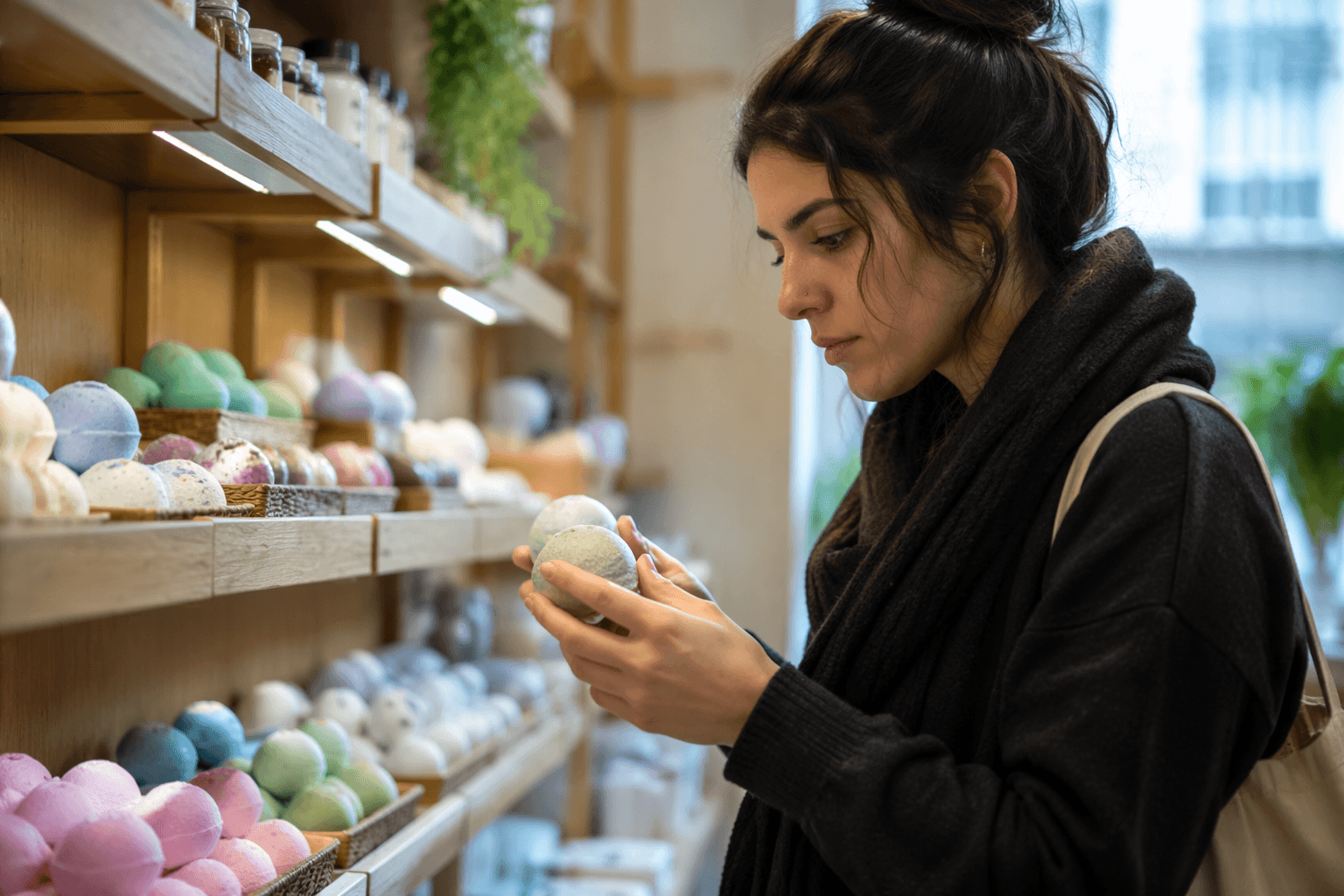
A Jackpot Candles vegan bath bomb gift set can look spa-ready and still leave the biggest questions unanswered: what the fragrance really is, whether the colorants are disclosed, and whether any animal-derived ingredient is hiding behind glossy branding.
Start with what vegan actually promises
The word vegan has a narrow meaning here: no animal-derived ingredients. It does not automatically mean natural, organic, low-irritation, or even cruelty-free, which is why the label on the front of the box is only the first clue. That is the Vegan Society’s definition, but a bath bomb can still rely on ingredients or processing choices that do not tell the full story.
Under U.S. Food and Drug Administration guidance, a company can use the phrase cruelty-free to refer to the finished product, the raw materials, or both. For a buyer comparing gift sets, that means vegan and cruelty-free should never be treated as interchangeable shorthand.
Read the fragrance line as carefully as the front of the box
The ingredient list is where the real scrutiny starts. U.S. cosmetic labeling rules require ingredients to appear in descending order of predominance, but fragrance is a special case: it can be listed simply as “fragrance” or “parfum.” That one line can hide a lot, which is why a pretty scent name on the front panel tells you almost nothing about what is actually inside.
Even products labeled “unscented” may still contain fragrance ingredients used to mask odor. Under the U.S. Environmental Protection Agency’s Safer Choice guidance, “unscented” can still include masking chemicals, while “fragrance-free” means neither fragrance materials nor masking scents are used.
Some people are allergic or sensitive to fragrance ingredients even when those ingredients are considered safe for most users.
Use the ingredient list as a checklist, not a vibe check
A vegan bath bomb deserves the same close reading you would give any cosmetics label. Look for dyes, glitter, and surfactants if the formula uses them, because the front-of-box language rarely tells you whether the product is built for a vivid swirl, heavy foam, or a gentler soak. If those ingredients are present, the question is not whether the bath bomb is pretty, but whether the brand has disclosed enough for you to understand how the product will behave in the water and on skin.
Animal-derived or ambiguously sourced ingredients deserve special attention. A vegan claim should make clear what the formula excludes and, just as importantly, how the brand explains the remaining ingredients well enough for a buyer to trust the set. If the sourcing story is vague, that is a transparency problem, not a minor branding gap.
A birthday present, holiday set, thank-you package, or self-care reset only works cleanly when the ingredients are understandable enough that the recipient is not left decoding the label later.
Sensitive skin, scent strength, and the real meaning of gentle
For shoppers who care about comfort as much as ethics, “vegan” is only one filter. Some bath-bomb makers point buyers toward fragrance-free or gently fragranced formulas and toward ingredients such as oatmeal, shea butter, or oils, but those are brand claims rather than clinical guidance. They can be useful clues, yet they do not replace a careful look at the actual label.
Patch-testing still makes sense when a formula includes a long fragrance line, bright colorants, or other ingredients that suggest a more intense soak.
Regulation and market growth
The Modernization of Cosmetics Regulation Act of 2022 is the most significant expansion of U.S. Food and Drug Administration cosmetics authority since the Federal Food, Drug, and Cosmetic Act of 1938.
A 2026 bath bomb market report estimates the global market at $1.86 billion in 2026 and projects $2.57 billion by 2030, with North America as the largest region in 2025 and Asia-Pacific as the fastest-growing region. A separate 2026 vegan cosmetics market report places that market at $21.29 billion in 2026.
This article was produced by Prism’s automated news system from verified source data, official records, and press releases, then run through automated quality and moderation checks before publishing. The system is built and supervised by the people who set the standards it runs under. Read our full AI policy.
Know something we missed? Have a correction or additional information?
Submit a Tip