Kitchen guide spotlights cream of tartar for bath bombs
Cream of tartar is the small pantry ingredient that helps bath bombs hold shape, fizz longer, and fail less often. The right jar matters more than a flashy recipe when you want a cleaner batch.
1. Herbaila
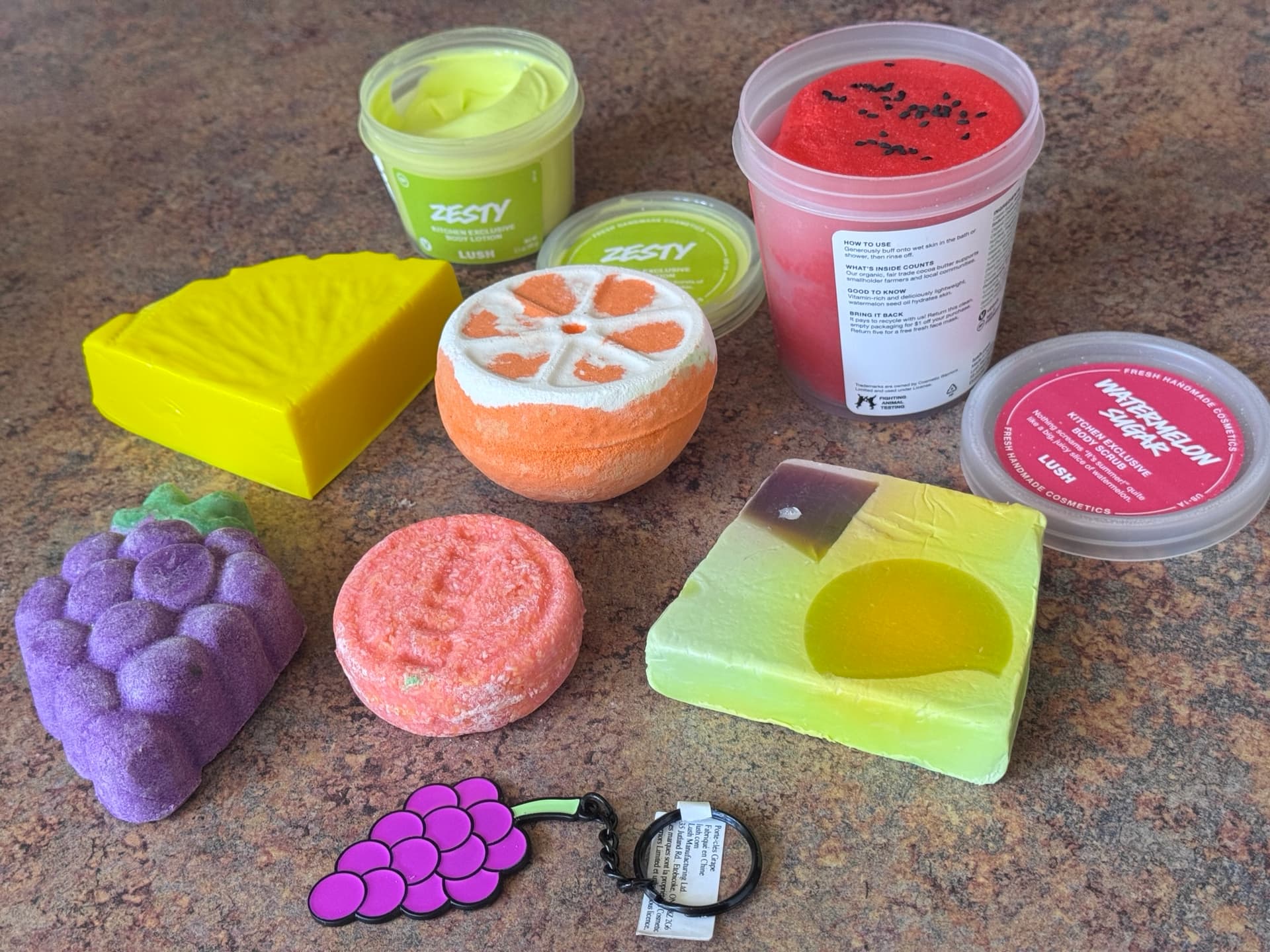
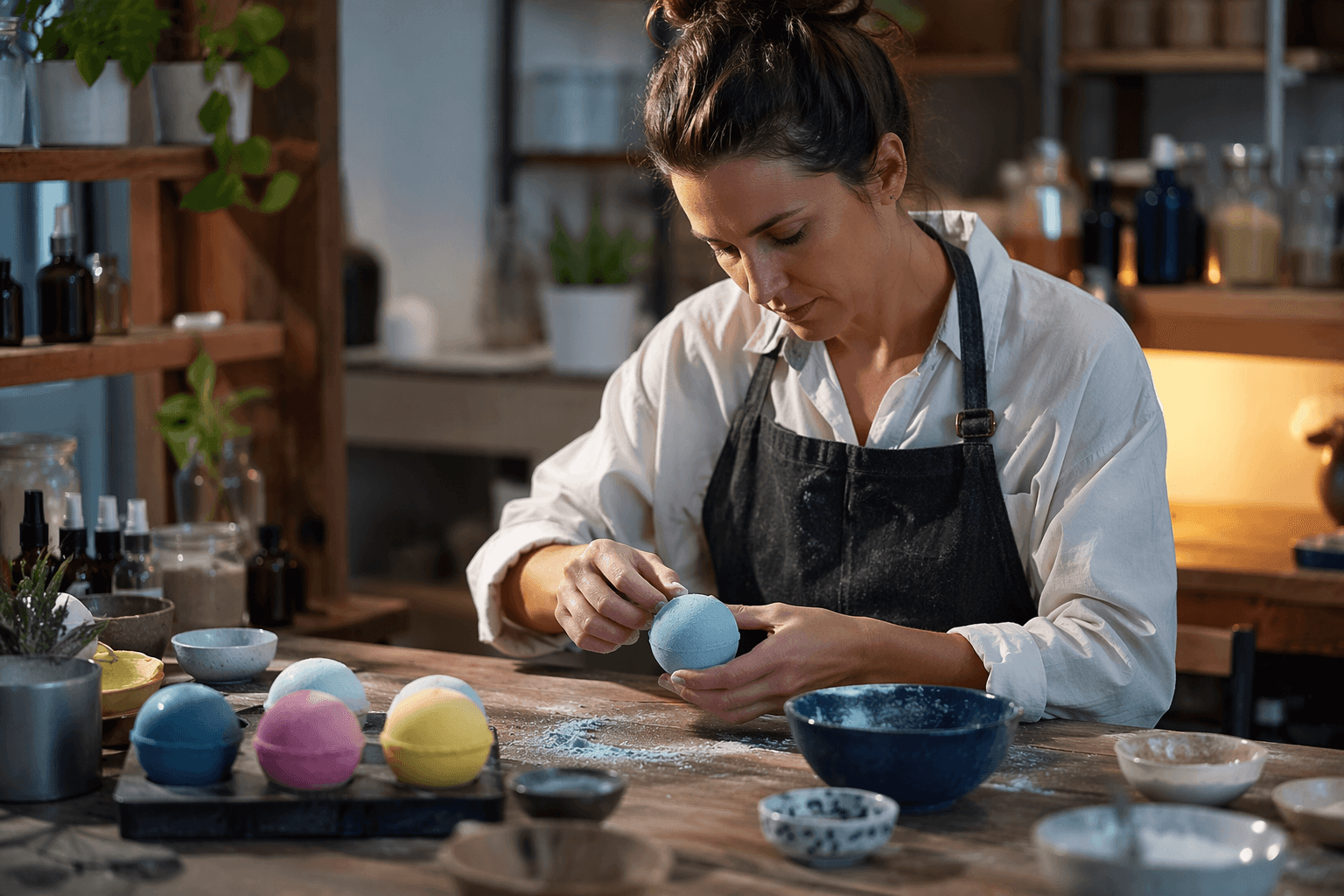
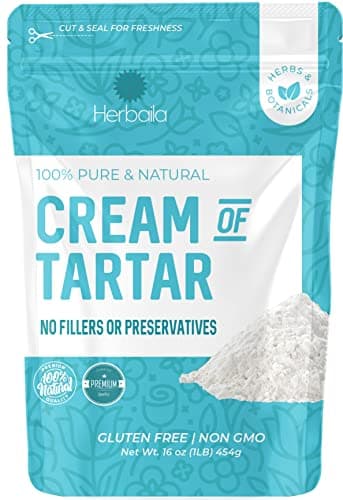
Bath bombs are no longer a novelty project. Mo Constantine made the first one in a garden shed in 1989, and Lush says the category has grown into more than 350 million bath bombs sold globally. Herbaila lands at the top because the guide specifically flags it for non-baking uses like bath bombs and cleaning, which is exactly the kind of multiuse jar a small maker reaches for when texture and moldability matter.
2. Frontier Co-op
If you make bath bombs often, the appeal of a cream of tartar jar is not romance, it is repeatability. Cream of tartar is potassium bitartrate, a byproduct of winemaking, and in bath bombs it acts as a weaker acid that hardens the mix and stretches the fizz, so a bulk-minded option makes sense when you are chasing the same result from batch to batch.
3. Pure Original Ingredients
This is the pick for makers who want a straight pantry ingredient without a lot of mystery on the label. Lab Muffin Beauty Science describes bath bombs as built around a solid acid such as citric acid or tartaric acid, and cream of tartar sits in that tartaric-acid lane, so a simple ingredient list helps you keep failed batches from turning into a guessing game.
4. McCormick Gourmet
If you only make a few test bombs, compact kitchen sizes are usually smarter than buying a giant container you may never finish. Bramble Berry says cream of tartar improves hardness, makes the bomb easier to mold, and extends the fizzing action, which is why a smaller jar can still earn its shelf space when you are testing ratios and looking for a cleaner release in the tub.
5. Anthony's
The last slot is where the shopping checklist gets practical. Beginners often assume citric acid is the only bath bomb acid that matters, but cream of tartar is the tartaric-acid option, so check that the package clearly says cream of tartar or potassium bitartrate before you spend money on a substitute. If you are making products to sell, the package has to do more than look natural, because U.S. cosmetic rules require ingredient order, net contents, and business identity, and sensitive-skin formulas should keep fragrance, color, and glitter as low as possible. That is the real reason cream of tartar still earns a place in the bath-bomb bin: the right jar can be the difference between a mold that holds and a batch that collapses before it ever hits the tub.
This article was produced by Prism’s automated news system from verified source data, official records, and press releases, then run through automated quality and moderation checks before publishing. The system is built and supervised by the people who set the standards it runs under. Read our full AI policy.
Know something we missed? Have a correction or additional information?
Submit a Tip