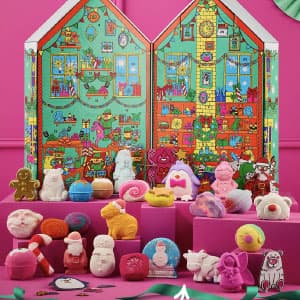
Lush bath bomb workshop anchors Westfield Topanga sustainability event
Lush turned Westfield Topanga’s sustainability day into a bath bomb test case, pairing hands-on mixing with naked packaging and recycled materials.
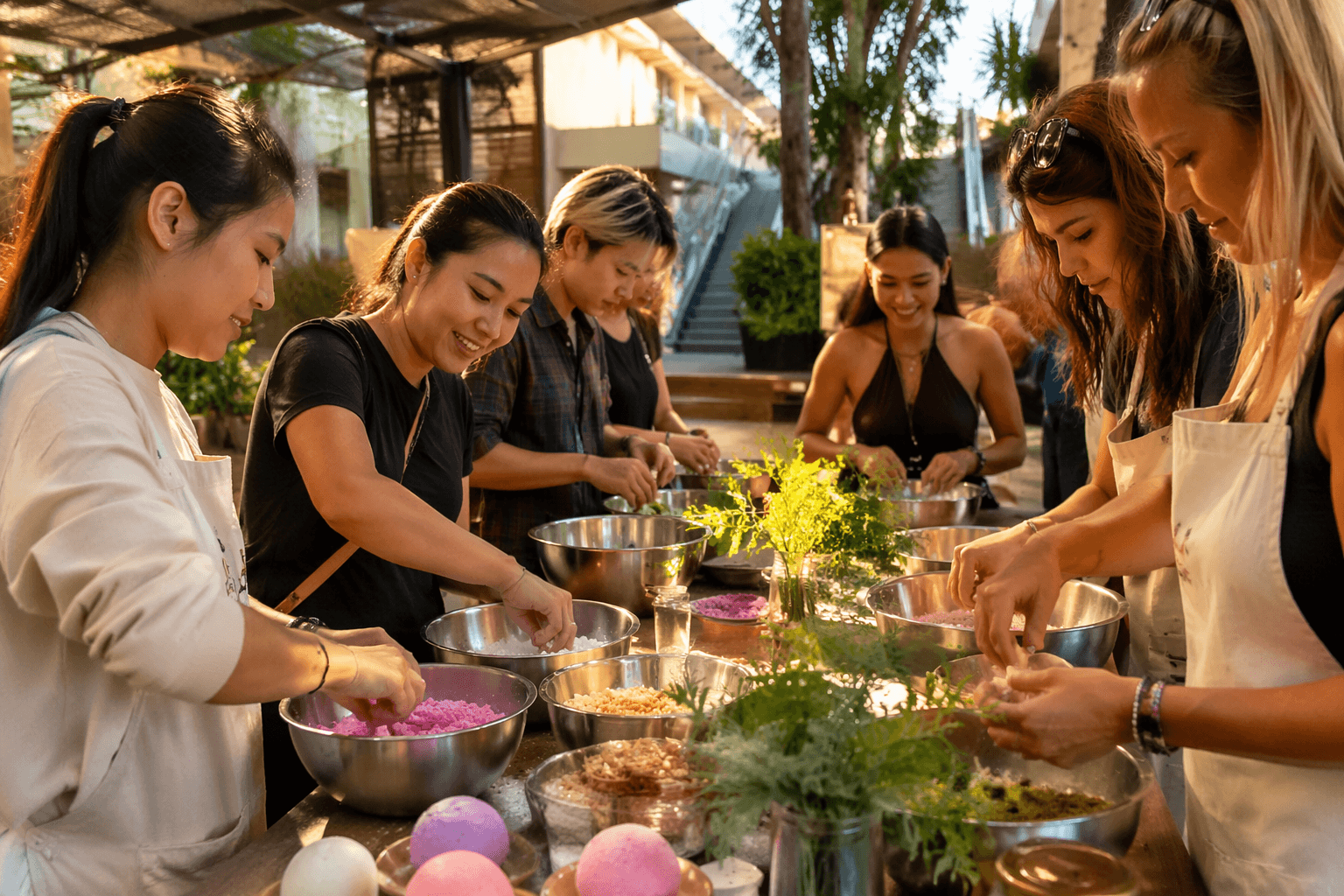
Lush’s bath bomb station anchored Westfield Topanga’s Good Taste, Just Got Better event from 10 a.m. to 4 p.m. on June 26 at the Canoga Park mall, putting the brand’s signature product inside a six-hour sustainability showcase. Visitors were invited to become a compounder and make their own bath bomb or bubble bar, with the day framed around clean beauty, sustainable fashion, and eco-friendly lifestyle choices.
The workshop mattered because it turned Lush’s eco-friendly pitch into something shoppers could see and touch. The mall’s event page pointed to naked packaging, fresh ingredients, essential oils, and the reusable and recyclable mold used to make the products, alongside the handmade, one-of-a-kind look that defines the brand. In practice, the activation was less about a finished bath fizzer on a shelf than about showing how product form, packaging, and process fit together.
That presentation leaned on a long Lush origin story. The company says co-founder Mo Constantine invented the first bath bomb in 1989 in her garden shed, first calling the creations Aqua Sizzlers. Lush says it was first awarded the bath-bomb trademark on April 27, 1990, a date it now marks as World Bath Bomb Day. The brand also says it has created more than 500 bath-bomb designs and sold more than 350 million bath bombs globally, while a February 2026 trade story put early UK sales at about 30,000 bath bombs in 1995 and said annual global sales now top 20 million.
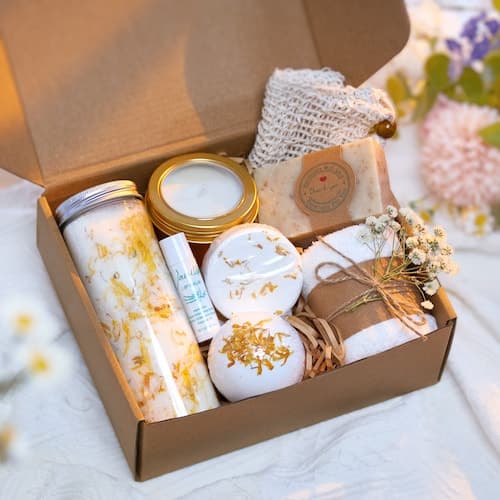
The sustainability claims extended beyond the bath counter. Lush says more than 35% of its global product range is sold naked, most of its packaging is made from recycled and recyclable materials, and the company prefers sustainable ingredients, including replacing palm oil in its soap base with more earth-friendly oils. Its Topanga store page describes the brand as fresh, handmade, cruelty-free, and vegetarian, with over 70% vegan items.
Westfield Topanga placed that message alongside other retail sustainability pitches from MAC, Nespresso, Rothy’s, Aerie, Anthropologie, H&M, Levi’s, Madewell, Sephora, Free People, and FP Movement. That context made Lush’s bath bomb demo read as more than a craft stop: it was a live test of whether eco-friendly beauty branding can be made concrete through ingredients, packaging, and the act of making the product itself.
This article was produced by Prism’s automated news system from verified source data, official records, and press releases, then run through automated quality and moderation checks before publishing. The system is built and supervised by the people who set the standards it runs under. Read our full AI policy.
Did this article answer your question?