Made in USA bath products promise faster restocks and lower risk
Domestic bath bomb production is more than a feel-good label: it can speed restocks, tighten quality control, and make compliance and customer trust easier to manage.

A bath bomb line made closer to the warehouse can restock faster. Ingredient questions can be answered sooner, and a small brand is less likely to get stuck waiting on customs or a distant production slot.
Why domestic supply matters in bath bombs
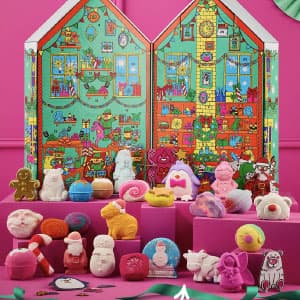
Bath bombs live in a replenishment-heavy corner of the market. They are not one-and-done novelty items; they are the kind of product stores reorder because customers use them, gift them, and come back for the same scent or color again. That makes speed and consistency part of the product itself. A domestic manufacturing setup can shorten the gap between a buyer noticing a sell-through problem and getting new stock back on the shelf.
Made Natural is a U.S.-based manufacturer that offers scalable production, small-batch and high-volume orders, and fast turnaround times. It offers private-label bath bombs and Epsom salts as part of a larger production system built around quality and consistency. For a boutique, spa, or online seller, that combination matters because the next order is often already spoken for before the current pallet is opened.
In bath products, “Made in USA” often functions as a supply-chain decision: shorter shipping paths, quicker communication, fewer customs delays, and lower minimums can all reduce the friction that turns a restock into a scramble. That is especially useful when a brand is trying to keep fragrance runs consistent from month to month.
Trust is the real currency in bath and body
Bath bombs sit close to the skin, so buyers pay attention to what goes into them. Ingredient transparency is not a nice extra here. It is part of the purchase logic, especially for customers who care about colorants, fragrance, and the basic feel of the product in the tub.
Domestic manufacturing can strengthen that trust loop. If a formulation needs to change, or if a retailer wants to verify a scent, a color load, or a new packaging detail, a U.S.-based partner can usually respond faster than a supplier separated by long shipping lanes and time zones. That faster back-and-forth helps with quality oversight, and quality oversight is what keeps a bath bomb line from drifting between batches.
Made Natural ties domestic sourcing to a growing consumer preference for products made in the United States. A Made in USA label can help a retailer justify a premium price, but only if the product is also dependable enough to earn repeat orders.
What wholesale buyers are actually buying
The best domestic suppliers in this space are not just selling a patriotic label. They are selling flexibility. The current wholesale bath bomb market emphasizes ready-to-ship inventory, private-label support, custom formulation, and production runs that can move from low volume to high volume without forcing a buyer into a rigid order size.
Bulk Apothecary markets ready-to-label and ready-to-ship wholesale bath bombs, which shows how central inventory availability is to the category. Doerfler Mfg. Inc. and The Lavish Goat are part of the same U.S. bath bomb manufacturing ecosystem, where private-label services and custom formulation are part of the pitch. The common thread is control: control over timing, control over finish, and control over how quickly a shop can respond when a scent takes off.

A brand that can order a modest run, test it, and then scale up without starting over has a cleaner path from first launch to repeat business. Domestic production makes that path easier to manage because the feedback loop between the buyer and the maker is shorter.
The legal line around Made in USA claims
The Federal Trade Commission subjects unqualified Made in USA claims to its “all or virtually all” standard. That is the key threshold brands need to understand before they print the claim on packaging, web copy, or wholesale materials.
The FTC’s Made in USA Labeling Rule also allows civil penalties when marketers use an unqualified Made in USA label on a product that is not “all or virtually all” made in the United States. The commission points manufacturers and marketers to its Made in USA Labeling Rule and Enforcement Policy Statement on U.S. Origin Claims for the details behind those claims.
Imported goods have their own requirement as well. U.S. Customs and Border Protection requires imported products sold in the United States to be marked with their country of origin. The result is straightforward: if a bath brand is leaning on origin as part of its sales story, the paperwork and product marking have to line up with the story on the box.
This article was produced by Prism’s automated news system from verified source data, official records, and press releases, then run through automated quality and moderation checks before publishing. The system is built and supervised by the people who set the standards it runs under. Read our full AI policy.
Did this article answer your question?