Manufacturers Adapt Pharma-Grade Machinery to Scale Artisanal Bath Bomb Production
Manufacturers are adapting pharma-grade dosing, forming and packaging machines for bath bombs, giving small producers cleaner, more consistent and greener ways to scale.

Precision dosing and blister-style packaging techniques from pharmaceutical and food machinery are being adapted to the artisanal bath bomb market, bringing industrial accuracy and hygiene to small-batch makers. That shift promises more consistent fizz weights, reduced scent bleed between batches, and packaging that better protects fragile, scented products.
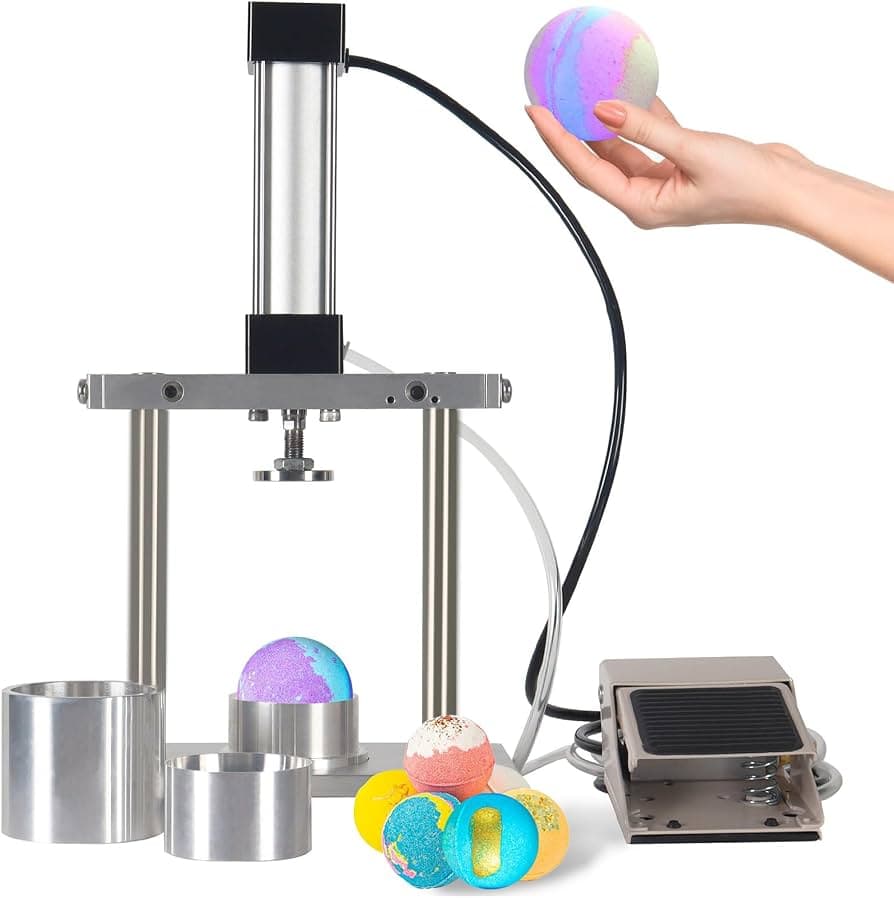
Hangzhou SEO Technology Group reported that equipment makers with pharma and food backgrounds are modifying their core technologies - dosing/filling, forming and secondary packaging - to meet bath-product needs. Suppliers are offering modular lines that scale from benchtop and semi-automatic systems for startups up to fully automated production for larger brands. The change opens a clear path for makers who outgrow hand-pressed molds but still want to retain small-batch flexibility.
Technical adjustments target problems that plague bath bomb creators. Capsule-filling and blister-packing techniques have been repurposed to accurately fill molds and control ingredient proportions, improving fill weight consistency and reducing wasted mixes. Design changes include dust extraction to manage dry mix dust, interchangeable dosing heads for different granule sizes, and stainless-steel construction meeting GMP-compliant standards for hygiene and easier cleanability to avoid cross-contamination when switching scents or colors. These are practical fixes that affect day-to-day production: fewer remixes, less off-spec product, and quicker turnover between scent runs.
Sustainability is also steering machine design. Manufacturers are adding features to reduce material waste, accept recyclable packaging formats, and improve energy efficiency. For producers marketing eco-conscious or zero-waste lines, compatibility with recyclable pouches and reduced scrap rates will be appealing selling points as brands scale.
Furis Machinery Group is cited as an example of a supplier adapting precision pharmaceutical technologies for cosmetics and bath products. Small brands that have been manual-pressing molds or outsourcing packing can now evaluate semi-automatic benchtop options to bring more production in-house without jumping straight to industrial volumes. For makers concerned about cross-contamination or allergen control, GMP-grade stainless construction and better cleanability are concrete upgrades that affect product safety and shelf life.
For the community, the immediate value is practical: check machine specs for dust extraction, interchangeable dosing, GMP-compliant materials and packaging compatibility before committing. Expect a transition period as vendors tune machines for foamier micas, delicate effervescent cores and varied binder ratios, but the net effect should be more predictable batches and lower per-unit costs at scale.
As suppliers refine modular lines and sustainability features, watch product demos and R&D releases. Producers ready to scale will find more tailored options between handcrafting and full industrialization, making it easier to turn a kitchen success into a consistent, market-ready fizz.
This article was produced by Prism’s automated news system from verified source data, official records, and press releases, then run through automated quality and moderation checks before publishing. The system is built and supervised by the people who set the standards it runs under. Read our full AI policy.
Did this article answer your question?