Milk and honey bath bombs bring cozy homemade luxury to baths
Milk and honey bath bombs lean into cozy nostalgia, pairing an easy homemade formula with a soothing scent and gift-ready finish.

This recipe makes nine half-balls with baking soda, citric acid, cornstarch, powdered milk, shea butter, warm honey, and a soft essential oil. The scent profile is built for comfort, not spectacle: it calls back to childhood evenings, bedtime stories, and the feeling of being wrapped in something soothing. It lands in that sweet spot where homemade bath art feels both approachable and special.
A comfort-craft formula with a familiar scent
The appeal here is not flash. It is the warmth of powdered milk, shea butter, warm honey, and a gentle essential oil like lavender, chamomile, or vanilla, all working together for a bath bomb that reads as cozy before it ever hits the water. The final result is a small, affordable luxury you can make at home and tuck into a gift bag without losing the handmade charm.
That makes this recipe especially friendly to anyone who likes the ritual of bath bomb making as much as the payoff. It does not ask for elaborate color work or complicated layering. It asks for the kind of careful, satisfying process that bath bomb makers already know well: measure cleanly, mix evenly, and pay attention to texture.
What goes into the mix
The ingredient list stays grounded in the classic bath bomb formula: baking soda, citric acid, cornstarch, powdered milk, shea butter, warm honey, and either jojoba oil or olive oil. The fragrance can stay soft and nostalgic with lavender, chamomile, or vanilla essential oil, which keeps the focus on the milk-and-honey profile rather than on a loud scent blend.
A few details do the heavy lifting here:
- Baking soda and citric acid create the fizz.
- Cornstarch helps round out the texture.
- Powdered milk deepens the cozy, creamy feel.
- Shea butter, honey, and a carrier oil bring richness and help the mixture bind.
- Lavender, chamomile, or vanilla keeps the scent gentle and familiar.
The small batch is easy to treat as a project rather than a major production run. That size also makes the finished pieces easy to portion into gifts.
How the texture comes together
The instructions are practical. The first move is to get every tool ready before mixing begins, then combine the dry ingredients thoroughly so the citric acid and baking soda are evenly dispersed. After that, the butters and oils are melted gently, then folded into the dry mix until the texture resembles damp sand that holds together when squeezed.
If the mixture is too dry, use only a very light spritz of water, just enough to coax it into shape without setting off the fizz too early. Bath bomb makers know that balance well: too little moisture and the mix crumbles, too much and the whole batch can misbehave.
Molds do not need to be fancy. Bath bomb molds work, of course, but large ice cube trays can do the job too. Once packed, the bath bombs need overnight drying.
Why the fizz works
The science is straightforward and familiar to anyone who has ever made a bath bomb from scratch. Sodium bicarbonate, better known as baking soda, is a source of carbon dioxide and is used in effervescent products. Citric acid is an organic acid found in plants and animal tissues, and together with baking soda it supplies the acid-base reaction that gives bath bombs their signature fizz.
That is why dry mixing is so important and why the recipe keeps water use to a minimum. The reaction needs moisture to start, but the goal is to control that moment until the bath bomb is in the tub.
From a garden shed to a global bath ritual
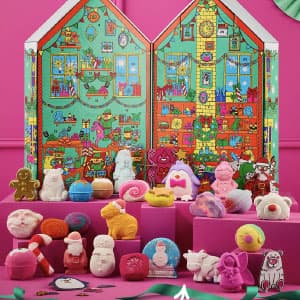
Lush says Mo Constantine invented the first bath bomb in 1989 in a garden shed in Dorset, England, and that the first version was called Aqua Sizzlers. Lush received a bath-bomb trademark on April 27, 1990, the company says.
Lush says it has created more than 500 bath bomb designs and sold more than 350 million globally.
The bigger market behind the homemade version
Bath bombs are not just a niche craft. Grand View Research estimated the global bath bomb market at USD 1.8597 billion in 2023 and projected it to reach USD 2.8378 billion by 2030. Fortune Business Insights placed the market at USD 2.12 billion in 2025 and projected growth to USD 3.76 billion by 2034.
Both reports tied that growth to millennials and Gen Z consumers, whose interest in self-care and wellness has helped keep bath products in the spotlight.
Keeping homemade bath products safe
The U.S. Food and Drug Administration says individuals and businesses that market cosmetics are legally responsible for the safety of their products and ingredients. It also has a dedicated fact sheet for small businesses and home-based cosmetics producers.
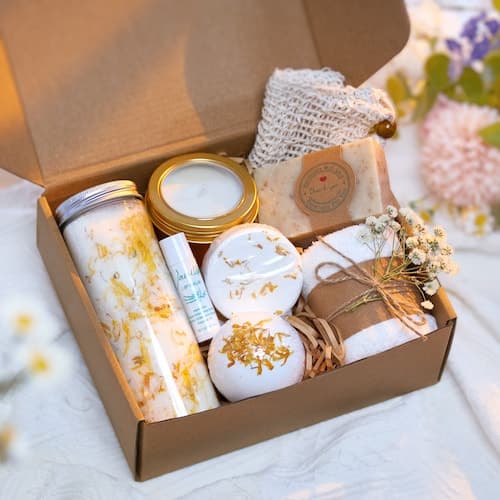
Milk-and-honey bath bombs are easy to imagine as presents because they are small, attractive, and pleasantly old-fashioned in feel, but the moment they are sold, they live under cosmetic safety expectations.
This article was produced by Prism’s automated news system from verified source data, official records, and press releases, then run through automated quality and moderation checks before publishing. The system is built and supervised by the people who set the standards it runs under. Read our full AI policy.
Did this article answer your question?