Practical Essential-Oil Bath Bombs - Recipe, Safety, and Tips
Learn a reliable, essential-oil-centered bath-bomb recipe with step-by-step instructions, ingredient roles, and clear safety guidance for scenting with concentrated aromatics. This guide balances practical how-to detail with best practices for dilution, colorant safety, and tub cleanup so you can make beautiful, safe bath bombs at home or for community events.
1. Overview and purpose
This guide walks you through a dependable bath-bomb formula built around essential oils, explains the role of each ingredient, and gives safety and best-practice guidance for scenting and coloring. You’ll get a simple recipe, a clear, sequential method, and practical tips that make these bombs suitable for gifting, markets, workshops, or quiet craft nights with friends. Read on to learn how to make bombs that fizz, hold shape, and respect skin-safety guidelines.
2. Ingredients and their roles
Use: 1 cup baking soda, 1/2 cup citric acid, 1/2 cup cornstarch, 1/2 cup Epsom salts; 2–3 tbsp carrier oil (melted coconut or sweet almond); ~10–15 drops essential oil; optional colorants (cosmetic-grade mica), dried botanicals, or skin-conditioning butters. Baking soda and citric acid react in water to create the fizz; cornstarch softens the reaction and adds body; Epsom salts add bath-soothing mineral content. Carrier oil adds skin-conditioning and helps the mixture bind; essential oils provide scent, use skin-safe choices at recommended dilution rates. Optional additions add color, texture, and luxury, but always choose cosmetic-grade ingredients.
3. Equipment and prep
Gather mixing bowls, a whisk or fork, measuring cups and spoons, a spray bottle filled with witch hazel, molds (silicone or metal), and parchment or drying trays. Clean, dry equipment prevents premature fizz activation; moisture anywhere in the process will start the reaction between citric acid and baking soda. Keep work surfaces protected and have small airtight containers ready for finished bombs if you plan to store or sell them.
4. Step 1 - Mix dry ingredients thoroughly
Combine the baking soda, citric acid, cornstarch, and Epsom salts in a large bowl and whisk until evenly blended and free of clumps. Thorough mixing ensures even fizz and texture across every bomb, and reduces pockets of one ingredient that can affect performance. Take your time; a uniform dry mix is the foundation of a consistent product.
5. Step 2 - Blend wet ingredients separately
Melt and measure your carrier oil (2–3 tbsp) and add the essential oil (about 10–15 drops) to the oil while it’s warm so it disperses evenly. Mixing the oils separately keeps you from adding too much liquid to the dry mix all at once and helps the scent incorporate uniformly into the batter. If using butters, melt and combine them into the carrier oil before adding essential oils.
6. Step 3 - Add wet to dry slowly while whisking
Slowly drizzle the oil+essential mix into the dry ingredients while whisking continuously to prevent localized wet spots that trigger premature fizzing. If the mixture needs a little more binding, use a fine mist of witch hazel from a spray bottle, apply sparingly and whisk after each spritz. Control of moisture at this stage determines whether your bombs hold shape or crumble when removed from molds.
7. Step 4 - Squeeze test and pack molds
Periodically perform the squeeze test: take a small handful and press firmly, if it holds together without crumbling, it’s ready to pack into molds. Press firmly into molds for compact, well-shaped bombs; overpacking can slow fizzing slightly, while underpacking causes fragile bombs. If adding botanicals or mica, layer strategically so they don’t impede molding or cause staining.
8. Step 5 - Drying, unmolding, and storage
Leave molded bombs to dry for at least 24 hours in a dry area; larger bombs benefit from 48 hours of curing to harden fully. Once dry, carefully unmold and store in airtight containers or shrink-wrap to preserve scent and prevent moisture pickup from the air. Properly dried and stored bombs maintain fizz quality and are more resilient for shipping or displays at community stalls.

9. Safety - Essential-oil dilution and skin safety
Essential oils are concentrated, choose skin-safe oils and observe recommended dilution rates (usually 1%–2% max for bath products for adults; lower for children) and always patch-test new formulas on skin. Dilution minimizes irritation and sensitization risk; if you’re unsure about an oil’s safety for baths, consult supplier guidance or avoid using it. Label products clearly if you sell or gift them, noting essential-oil contents and any common allergen warnings.
10. Safety - Avoid excessive liquid; use witch hazel for binding
Avoid adding excessive liquid directly (water, oil) because it activates the fizz reaction prematurely and will ruin the texture. Witch hazel is the preferred binding spritz because it lightly wets the mixture without triggering a reaction; spray in short bursts and whisk between spritzes. If the mixture becomes too wet, gently dry it by spreading on parchment and letting it sit in a low-humidity environment before remolding.
11. Safety - Colorants and staining considerations
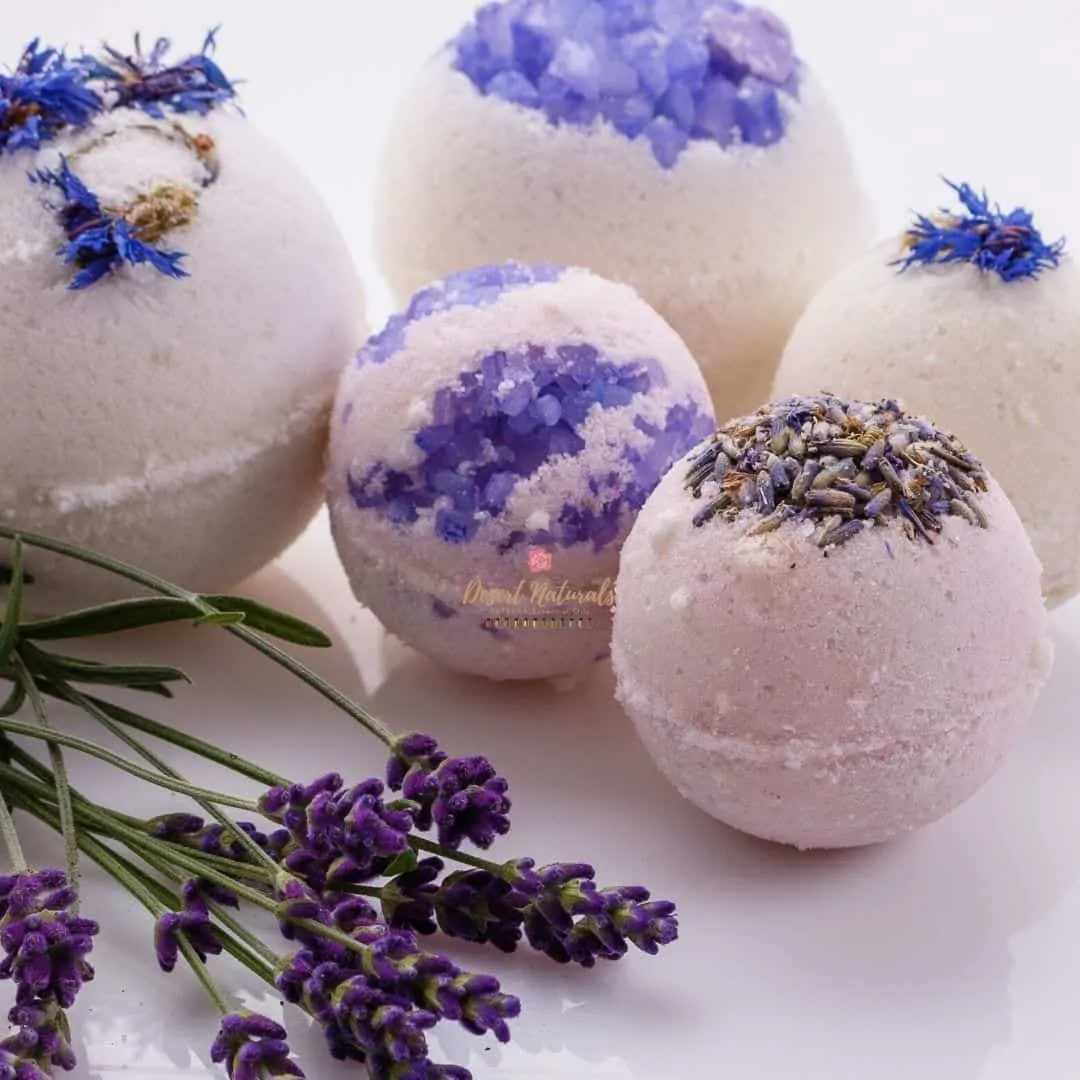
Use skin-safe colorants such as cosmetic-grade mica or lake pigments and be mindful that pigments and botanicals can stain skin, tubs, or fabrics. Test new colorants sparingly and avoid strong pigment loads near the bath’s waterline to reduce staining risk. When using dried botanicals, add them sparingly and consider placing them in the center of the bomb or in a recessed layer away from direct skin contact.
12. Safety - Tub cleanup and slip prevention
Residual oils and mica can leave tubs slippery, rinse and wipe tubs after use to remove residue and avoid slip hazards. Encourage users or customers to run a quick rinse and wipe after bathing and to avoid standing in soapy or oily water. If you’re running workshops or selling locally, include a small care sheet reminding buyers to clean tubs and to test for skin sensitivity.
13. Practical value and community relevance
This recipe and safety framework are ideal for makers running workshops, selling at local markets, or hosting community craft nights because they’re simple, adaptable, and emphasize safety. You can scale batches up or down, swap carrier oils for allergies, and create themed colors and scents for events or seasonal markets. Teaching clear safety practices builds trust with customers and helps prevent mishaps at group classes.
- If bombs crumble: add a few more light spritzes of witch hazel while mixing, then pack firmly.
- If bombs erupt or fizz during mixing: you added too much liquid, dry the mix and start again in smaller batches.
- For scent retention: store bombs airtight and allow a 24–48 hour cure for essential-oil melding.
14. Troubleshooting and final tips
Experiment in small batches, label each trial, and keep notes on oil blends and carrier amounts so you can reproduce favorites reliably.
15. Quick recipe recap
Mix 1 cup baking soda + 1/2 cup citric acid + 1/2 cup cornstarch + 1/2 cup Epsom salts; add 2–3 tbsp carrier oil and ~10–15 drops essential oil; optional mica, botanicals, or butters; combine with slow wet addition, pack molds, and dry 24+ hours. Follow dilution and cleanup guidance above to keep products safe and pleasant for everyone. Enjoy crafting, teaching, and sharing, these bath bombs are a simple, community-friendly project with big sensory payoff.
This article was produced by Prism’s automated news system from verified source data, official records, and press releases, then run through automated quality and moderation checks before publishing. The system is built and supervised by the people who set the standards it runs under. Read our full AI policy.
Did this article answer your question?