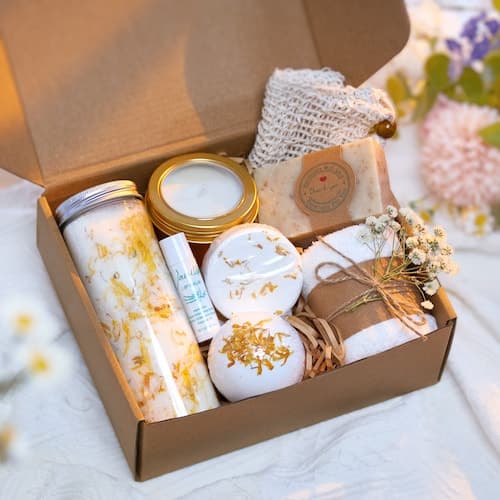
SALUS guide explains how to choose bath bombs by ingredients
The label is the bottleneck: SALUS says the real bath-bomb difference is in oils, butters, salts, and scent, not the word natural.

Read the formula, not the buzzwords
The label is the bottleneck. SALUS’s guide, written by clinical herbalist and lead soapmaker Nikki Walters, says every bath bomb starts with the same fizzing base of baking soda and citric acid, but the real difference comes from what gets layered on top: oils, butters, salts, and scents that change how the bomb feels on skin.
That is why the company pushes ingredient literacy instead of marketing language. In the U.S. cosmetics market, the word natural is not a regulated term, so a front label can sound reassuring without telling you much about the actual formula. SALUS’s advice is blunt: read the full ingredient list, not the promise on the package.
What the ingredient list can tell you
Federal labeling rules give you more than most shoppers realize, if you know how to read them. Cosmetic ingredients must be listed in descending order of predominance, which means the ingredients used most are supposed to appear first. Fragrance or flavor can still be listed generically, though, so a product may reveal very little about what is inside the scent blend.
That matters because FDA guidance says consumers often cannot tell from the label whether phthalates are present when a product only lists fragrance. The same broad rule applies to organic claims in cosmetics, since USDA says FDA does not define or regulate organic for cosmetic use. In other words, a bath bomb can sound clean, green, or botanical without giving you enough evidence to judge what it will do on your skin.
Ingredients that actually change the soak
SALUS centers its formulation advice on a handful of ingredients that affect the bathing experience in concrete ways:
- Non-GMO sunflower oil for moisturizing support, especially if you want a less stripped feeling after the bath.
- Organic shea butter and cocoa butter for barrier support and reduced moisture loss, which makes them useful in bombs aimed at dry or easily irritated skin.
- Sea salt and magnesium salts for a more spa-like soak, with the kind of mineral feel many bath-bomb fans reach for after a long day.
- Cornstarch for a softer texture, which can help a bomb feel less harsh in the tub.
- Sucrose as a humectant, helping the formula hold moisture instead of drying into something brittle.
That is the practical takeaway from the SALUS approach: ingredients are not just branding flourishes. They help determine whether a bath bomb is moisturizing, powdery, mineral-rich, or more likely to vanish into the tub without leaving much behind.
What to avoid if you want a cleaner formula
SALUS also draws a sharp line around what it believes natural bath bombs should not contain: artificial dyes, parabens, phthalates in fragrance, sulfates such as SLS and SLES, non-biodegradable glitter, and vague fragrance listings that hide a long list of compounds.
The concern is not cosmetic snobbery, it is ingredient clarity. FDA rules require approved color additives for cosmetics, so color is one place where regulation is more specific than marketing. And the Microbead-Free Waters Act bans rinse-off cosmetics with intentionally added plastic microbeads intended to exfoliate or cleanse, which makes plastic-based glitter and microplastic-style add-ons harder to dismiss as harmless sparkle.
If a bath bomb leans on color and shine more than on a readable ingredient list, that is usually the clue to slow down and inspect the formula more closely.
How sensitive-skin buyers should shop
The most useful part of SALUS’s framing is that it lines up with dermatology guidance, not just maker language. The American Academy of Dermatology advises eczema-friendly products to be fragrance-free and dye-free. The National Eczema Association recommends lukewarm water, short baths, and moisturizing immediately after bathing to help protect the skin barrier.

That makes the shopping decision very straightforward for anyone who bathes with skin comfort in mind. Look for formulas that keep fragrance light or leave it out entirely, and be wary of dyes if your skin reacts easily. Fragrances are a frequent cause of allergic contact dermatitis, including in rinse-off cosmetics, so the scent aisle is not always the safest place to be adventurous.
A smart bath bomb choice, especially for eczema-prone or contact dermatitis-prone skin, usually means fewer extras, not more. The soak should do the least harm and the most comfort.
Why SALUS speaks with maker credibility
Part of why this guide lands is that SALUS is not speaking like a distant retailer. The Colorado company says it was founded in 2004 by Jerell Klaver, grew from local markets to an online presence in 2007, and later opened its first retail store in Manitou Springs before adding a Fort Collins location. SALUS also says its products have been handcrafted in Colorado since 2004.
That maker history matters because the company’s bath bombs are presented as both cleaner and more skin-conscious than mass-market alternatives. SALUS says the bombs use more than 66% Colorado-based ingredients, and the brand points to more than 2,500 five-star reviews as part of its public identity. It also describes itself as “The Most Trusted Name in Bath Bombs,” a line that fits the company’s broader pitch about trust, consistency, and ingredient transparency.
There is trade history tucked in there too. SALUS notes a pneumatic press innovation first introduced at the 2010 Handcrafted Soap and Cosmetic Guild Annual Conference, which gives the brand’s production story a place in the larger soapmaking and bath-bomb craft community.
The buying rule that actually helps
If you are choosing a bath bomb to buy, or building one at home, SALUS’s guide boils the decision down to a few clear questions: does the formula moisturize, does it avoid unnecessary irritants, and does the label tell you enough to judge both? A bomb built on sunflower oil, shea butter, cocoa butter, sea salt, magnesium salts, cornstarch, and sucrose is speaking a very different skin language than one built on anonymous fragrance, bright dye, and glitter.
That is the real shift here. The smartest bath bomb is not the one with the loudest label or the prettiest color in the box. It is the one whose ingredients make the soak feel good in the tub and still make sense after the water drains.
This article was produced by Prism’s automated news system from verified source data, official records, and press releases, then run through automated quality and moderation checks before publishing. The system is built and supervised by the people who set the standards it runs under. Read our full AI policy.
Did this article answer your question?