Science of Bath Bombs: Reactions, Ingredients, Effects, and Production
The fizz in bath bombs comes from citric acid reacting with sodium bicarbonate to release CO2, explaining how ingredients, binders and storage affect performance.
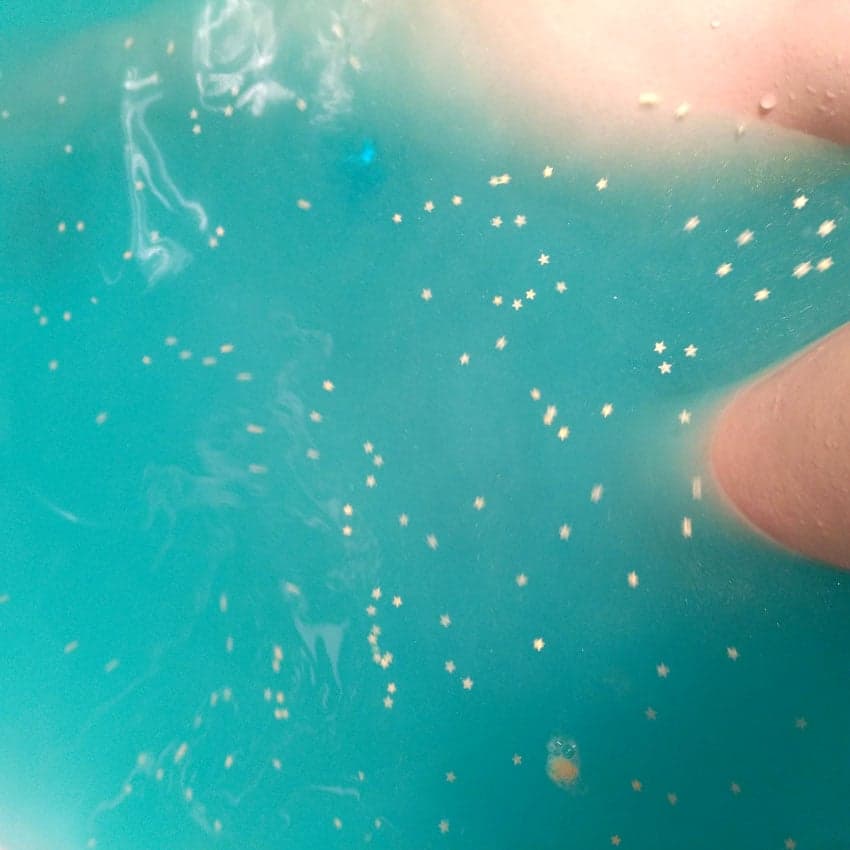
The part that makes them fizz is the same as an Alka Seltzer or soluble aspirin tablet: sodium bicarbonate and citric acid," Luis Villazon explains, and that simple reaction is the key to why bath bombs effervesce and disperse their extras into bathwater. When a bath bomb meets water the fizz-producing chemistry dissolves powders, releases gas and breaks the shell so fragrances, dyes and salts can mix through the tub.
Frankie Wood-Black, an instructor in chemistry at Northern Oklahoma College, outlines the molecular steps: baking soda (NaHCO3) dissolves into sodium (Na+) and bicarbonate (HCO3-); citric acid dissolves and releases hydrogen ions (H+); when H+ encounters HCO3- carbon dioxide (CO2) and water form, and CO2 bubbles out. Wood-Black also notes the role of a common binder: "The cornstarch in a bath bomb has just one job: It slows down the reaction. By binding to the baking soda as well as the citric acid, the cornstarch slows down the rate at which both of them dissolve. The effect is that the fizziness may last 3 or 4 minutes, instead of only seconds."
Reagent prints the bath-bomb chemical equation in full: 3NaHCO3 + C6H8O7 → 3Na+ + (C6H5O7)3- + 3H2O + 3CO2. Chemistryislife summarizes the products tersely: "Upon touching the water, the citric acid + baking soda yields Sodium Citrate (Na3C6H5O7) + Water (H2O) + Carbon Dioxide (CO2)." That sodium citrate remains dissolved and is largely unnoticeable while CO2 drives the fizzy breakup.
Nonreactive ingredients shape appearance and feel. Chemistryislife describes how "the food coloring (indigotine = C16H8N2Na2O8S2) dissipates and dyes the bath water faintly," and notes that "the epsom salts are dissolved by the water, and the essential oils disperse as well, leaving the water mildly fragrant and lightly tinted." Oils and coconut-oil mixes are used during production but must be blended quickly with dry mixes because the wet ingredients will trigger the reaction, a practical warning that appears in maker notes.

Making and storing bath bombs is hands-on but forgiving. Reagent advises using molds such as chocolate moulds, bauble moulds, shot glasses, ice cube trays, muffin trays and pressing mixtures to dry. Fleet Science Center urges caution on longevity: "Be sure to use your bath bombs relatively quickly! The citric acid and sodium bicarbonate will oxidize over time, causing them to become less reactive in the water. A suggested shelf life for bath bombs is around six months."
One source wording requires care: Reagent at one point names "sodium carbonate" where others and its own equation indicate sodium bicarbonate (NaHCO3) is the active alkaline. Given the stoichiometry and multiple confirmations across sources, sodium bicarbonate is the correct reactive agent.
What this means for readers is practical: cornstarch controls the show, press and dry quickly to avoid premature fizz, expect a few minutes of effervescence, and store bath bombs dry and used within about six months for best performance. Try simple molds and small experiments with dyes and oils to see how formula tweaks change fizz, scent and color.
This article was produced by Prism’s automated news system from verified source data, official records, and press releases, then run through automated quality and moderation checks before publishing. The system is built and supervised by the people who set the standards it runs under. Read our full AI policy.
Did this article answer your question?