Troubleshoot Crumbly, Sweating, Slow Fizz, Color Bleeding and Hollow Bath Bombs
Quick fixes and tested checks to salvage single bath bombs or small batches (1–50 units): what to tweak, what to avoid, and how long to wait for a no‑fail result.

1. Crumbly bath bombs
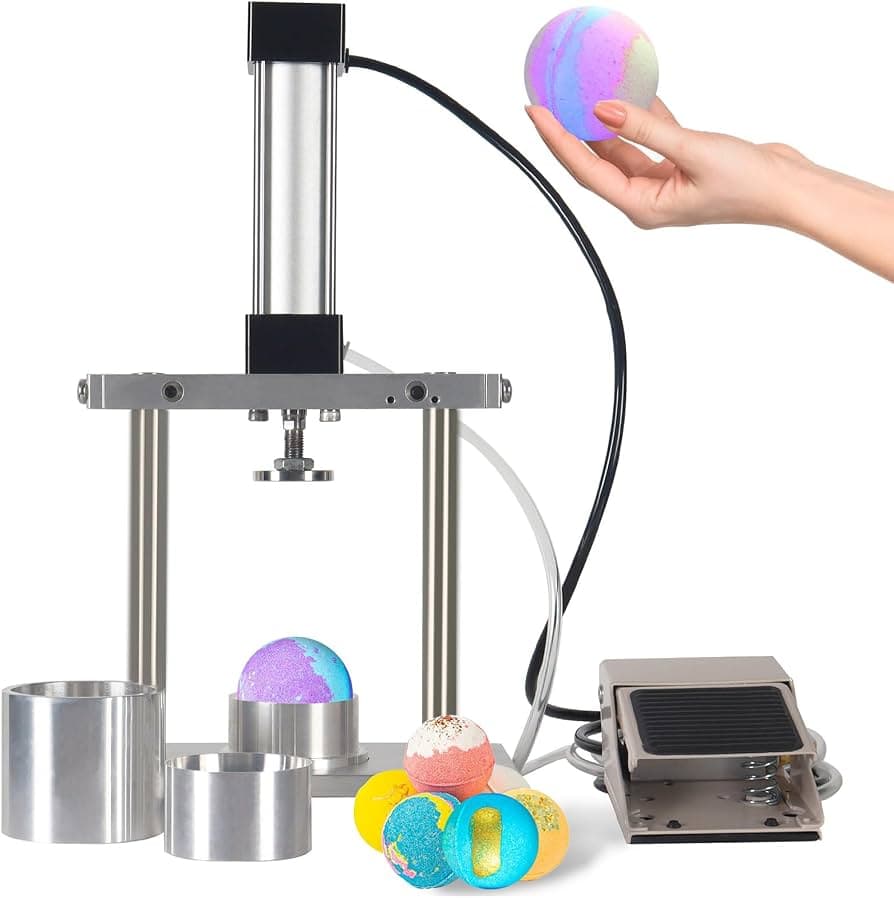
A crumbly bomb in a single-sphere run (1–50 units) almost always signals under‑compaction or too‑dry mix. Aim for a damp‑sand texture before you press, when you squeeze a handful it should hold shape briefly without oozing; if it falls apart, add liquid in tiny bursts and re‑test. Use a fine mist of 70% isopropyl alcohol or witch hazel (1–3 light spritzes per cup of dry mix for small batches) rather than oils; oils lubricate and weaken binding, especially in hobby runs. Finally, pack molds consistently and firmly, press in stages, tap out trapped air, then press again; for small runs, a repeatable hand‑pressure or a tamping tool prevents variability from unit to unit.
2. Sweating (oily surface or moisture beads)
Sweating affects finished bombs across small runs (1–50 units) when the water activity of the product is too high or volatile fragrance/oil content migrates to the surface. Reduce surface oil by lowering added skin oils and fragrance concentrations; shift stronger fragrances out of the top notes or dilute with solubilizer designed for bath products. Let bombs cure in a dry, ventilated space for at least 24–72 hours for single units, stacking or sealing them too soon traps vapor and causes condensation. For storage, use airtight containers with a food‑safe desiccant packet and avoid humid bathrooms: controlling storage conditions is as important as the mix for preventing sweating.
3. Slow fizz in the tub
If bombs from a 1–50 unit run fizzle weakly or take too long to react, check two culprits: excess oil or improper acid/base contact. Oils and butters coat the surface of the bicarbonate/citric acid system, starving the reaction; trim added oils and fully incorporate scent into a solubilizer or a dry carrier before adding liquid. Also verify the dry powders remained free‑flowing, clumps of citric acid prevent even reaction; break up clumps and sieve before mixing. Finally, confirm your storage and cure time, an insufficiently cured bomb (less than 24 hours for single pieces) can trap moisture that delays effervescence, so allow a full cure window before testing in the tub.
4. Color bleeding or uneven color
Color bleed, where dye streaks into bath water, or patchy color between bombs in small runs (1–50 units) usually comes from wet liquids touching color concentrates or from using dyes not suited to bath chemistry. Pre‑blend pigments with the dry base (baking soda/citric acid) until evenly distributed before adding any liquid; this reduces local saturation that bleeds. Prefer skin‑safe pigments formulated for bath fizz; ultrafine mica can be dusted into molds dry, while water‑soluble dyes often migrate, test a single bomb from your batch to see how the chosen color behaves in the tub. If bleeding still occurs, reduce pigment load and consider a light cocoa butter seal on the surface (sparingly) to lock in color without compromising fizz.
5. Hollow bombs and air pockets
Hollows or air pockets are the most common failure when making single bombs or small runs (1–50 units) and typically result from trapped air at packing or from over‑spraying liquid late in the tamping process. Pack the first half of a two‑part mold as if compacting a tamped cookie dough, press firmly, then tap to release air, and fill the second half the same way before joining. Avoid heavy spritzing after final pack; liquids introduced at the join can create steam or pockets while curing. If you still see a hollow, try a single test with slightly firmer compression and let that bomb cure 24–72 hours to verify the change before adjusting the whole small run.
- Texture check: damp‑sand before pressing, squeeze should hold shape briefly.
- Liquid method: mist with 70% isopropyl alcohol or witch hazel, not oils.
- Packing: press in stages and tap molds to release trapped air.
- Cure & storage: allow 24–72 hours and store sealed with desiccant in a dry place.
- Color test: make one test bomb with chosen pigment and fragrance before batch production.
Practical troubleshooting checklist for single bombs (1–50 units)
- For small batches, err on the conservative side with fragrance and oil loads, excess causes sweating and slow fizz.
- Use gloves and a mask when spraying alcohol or working with fine pigments; ventilation helps control dust and solvent vapors.
- Track one test bomb per new recipe or pigment: testing one of 1–50 units is faster and will save materials.
Safety and quality notes specific to hobby runs
Conclusion Treat each small run (1–50 units) like a controlled experiment: change one variable at a time, liquid method, press force, pigment load, and test a single bomb before committing the whole batch. With consistent packing, conservative oil/fragrance use, dry‑mix discipline, and a solid 24–72 hour cure window, the five failure modes here become solvable routines rather than mysteries, get those steps dialed and your sinks will fizz the way you intended.
This article was produced by Prism’s automated news system from verified source data, official records, and press releases, then run through automated quality and moderation checks before publishing. The system is built and supervised by the people who set the standards it runs under. Read our full AI policy.
Did this article answer your question?