Why Australian-made bath bombs feel fresher and fizz better
Closer-to-home bath bombs can land with stronger scent, brighter color, and a livelier fizz, but only when freshness, storage, and labels back up the claim.

A bath bomb can look perfect on the shelf and still underperform in the tub. The difference often comes down to how long it spent moving, sitting, and waiting before it reached you, which is why Australian-made products can feel fresher, smell stronger, and fizz more confidently on arrival.
Freshness is the first quality test
Bath Box’s case for Australian-made bath bombs is simple: shorter transit times can help protect fragrance, texture, and color. When a bath bomb is made closer to the customer, it is less likely to spend weeks losing scent in storage or weakening through handling, and that shows up fast the moment it hits the water. A fresher bomb tends to release fragrance more cleanly, hold its shape better, and fizz with more energy rather than sputtering out early.
That matters because a bath bomb has more to do than explode into foam. It needs to keep its structure, disperse fragrance well, deliver a satisfying fizz, and leave the bath feeling fun instead of flat. When one of those pieces slips, the whole experience feels underwhelming, even if the packaging looked premium.
What to look for on arrival
If you want to judge whether “made local” is a real quality signal, start with the bomb itself rather than the branding. A good one should arrive with clear edges or a deliberate handmade shape, a scent that is easy to pick up before the drop, and color that still looks vivid rather than washed out or patchy. Once in the water, the fizz should start promptly and stay lively long enough to carry fragrance and color through the tub.
This is where freshness becomes visible. A bath bomb that has been stored well and shipped quickly is more likely to keep its scent load intact, preserve its texture, and land in the bath with the kind of lively fizz people actually buy the category for. If it smells faint in the wrapper or breaks apart too easily, locality alone is not saving it.
Why Australian-made can feel more transparent
The practical appeal of local buying is not patriotism. It is trust. Bath Box argues that when production is closer to the customer, shoppers can more easily judge whether a product is vegan, cruelty-free, and gentle on skin, and that kind of transparency is especially useful in a self-care category where people are putting the product directly into warm water and using it for relaxation.
That point fits the broader market too. Recent industry research says Australia’s bath-bomb market is driven by self-care, wellness, social-media appeal, and gifting occasions, while the country still relies heavily on imports for mass-market SKUs. At the same time, the artisan segment remains active, which gives local makers room to compete on freshness, speed, and finish rather than scale alone.
Handmade batches can show in the details
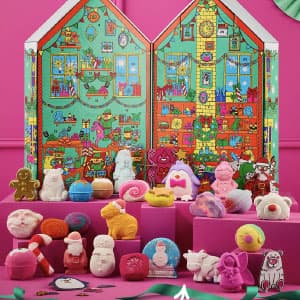
Smaller-batch and handmade production often leaves visible fingerprints on the final product. Shapes can look a little more charming and less machine-perfect, and scent combinations can feel more considered rather than generic. That does not automatically make a bomb better, but it often signals that the maker is paying closer attention to the final sensory result.
Several Australian brands lean hard into that kind of presentation. Nudie Beauty says its products are handmade in Australia, vegan-friendly, cruelty-free, and wrapped in plant-based compostable cellophane. Le Bomb says it handcrafts its bath treats on the Gold Coast and describes them as fresh, gentle, plant-based, vegan, and cruelty-free. Urthly Organics markets its bath bombs as palm-oil free, without artificial fragrances, and packaged in home-compostable cellophane.
Those claims matter because they give shoppers something concrete to verify. “Local” becomes useful when it comes bundled with production details, ingredient transparency, and packaging choices that match the rest of the promise.
When local is a signal, and when it is just branding
Not every Australian-made bath bomb will outperform an imported one, and locality by itself is not a guarantee of quality. Bath Box is careful on that point, and it should be. Some people want a subtle scent that fades softly in the water, while others want a louder dessert-style fragrance that makes the whole bathroom smell like a treat.

That means the best local brand is the one that matches preference, not just geography. If you like bold scent, look for clear fragrance descriptions and evidence that the bomb is freshly made or fast-shipped. If you prefer a gentler soak, a brand that emphasizes plant-based ingredients, no artificial fragrance, or skin-friendly formulations may be the better fit. Local production is most meaningful when it helps preserve the exact qualities you care about, not when it simply adds an origin label.
A quick way to separate substance from marketing:
- Check whether the maker names how the product is made, not just where it is made.
- Look for freshness cues, including quick shipping, small-batch production, or a made-to-order style.
- Read the scent description closely, because strong, subtle, citrus, floral, and dessert-style bombs all age differently.
- Notice texture and color on arrival, since both can suffer if the product has been sitting too long.
- Treat vegan, cruelty-free, and packaging claims as part of the trust test, not as bonus decoration.
Why freshness matters so much in this category
Bath bombs are not complicated in a chemical sense, which is exactly why storage conditions matter. Lush describes them as a simple and gentle blend of sodium bicarbonate, citric acid, and other ingredients that create a soothing bath experience. That mix works because it is stable until water arrives, so moisture, heat, and time can all chip away at performance before the product ever reaches the tub.
The category itself has grown far beyond novelty status. The fast-fizzing bath bomb was invented and patented in 1989 by Mo Constantine, co-founder of Lush Cosmetics, and Lush’s Bathing Category Lead Ruby West said the company sold 1.5 bath bombs per second globally in 2025, equal to 40 per minute. That scale helps explain why the market now spans everything from mass-market imports to handmade local batches chasing a more personal finish.
Australian-made bath bombs sit in the middle of that bigger picture. They do not win because of a flag on the box. They win when quicker production, cleaner storage, and clearer ingredient claims preserve the scent, color, texture, and fizz that make the product feel worth buying in the first place.
This article was produced by Prism’s automated news system from verified source data, official records, and press releases, then run through automated quality and moderation checks before publishing. The system is built and supervised by the people who set the standards it runs under. Read our full AI policy.
Did this article answer your question?