Why bath bombs are easier to shop online than in stores
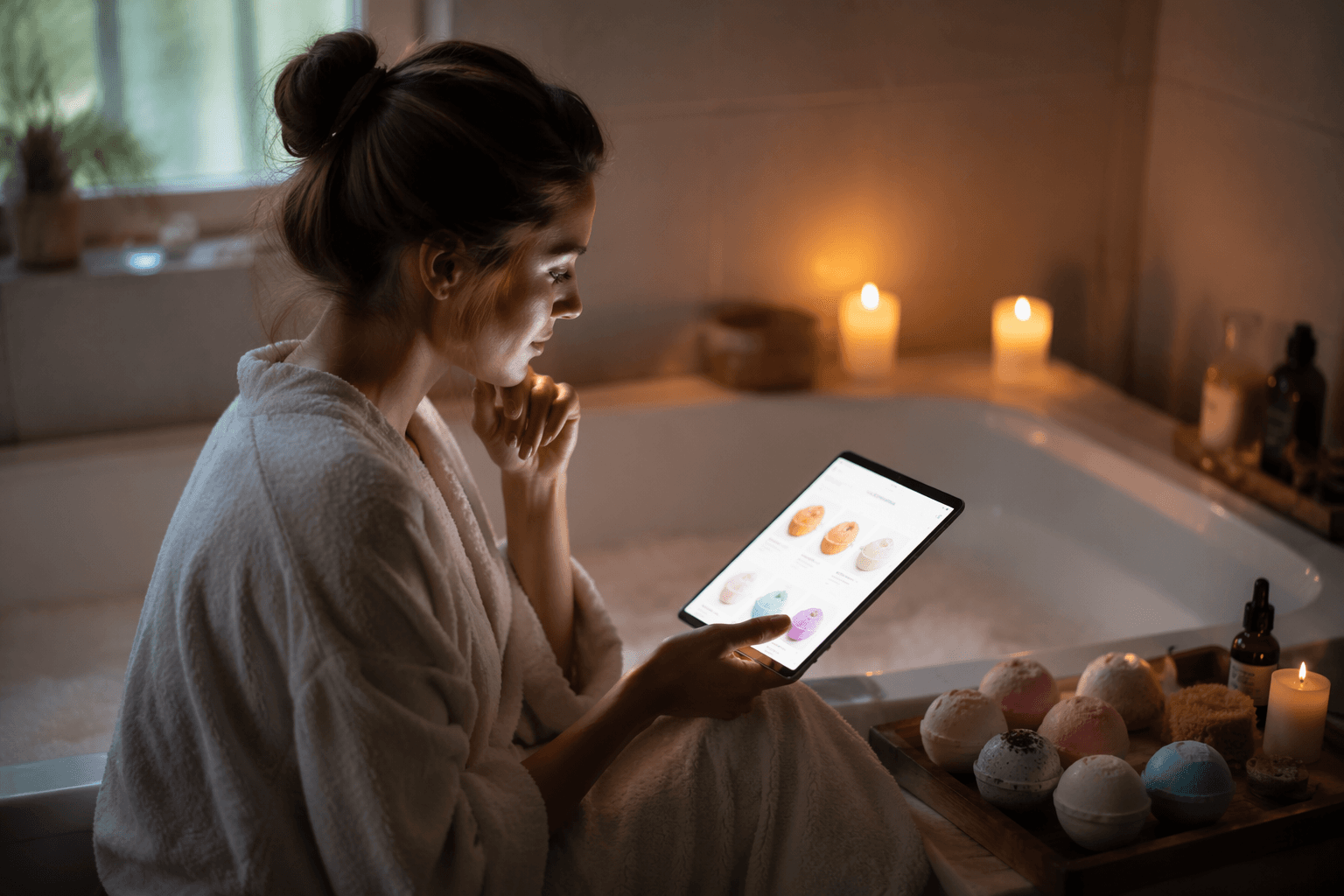
Online shopping lets you compare bath bombs by ingredients, scent and skin needs before you buy, which makes it easier to dodge a disappointing soak.

Why the online aisle is the smarter place to start
If you have ever picked up a bath bomb in store and wondered whether it would actually smell like the picture or just melt into coloured fizz, online shopping gives you a better read before you spend. BathBox’s guide makes the case plainly: the digital shelf is wider, the labels are clearer, and it is easier to match a bath bomb to your mood, your skin, and the occasion.
What to look for before you click buy
The first advantage of buying online is comparison. Instead of relying on one display rack, you can line up ingredient lists, scent profiles and product benefits side by side, which is especially useful if you are choosing between vegan formulas, cruelty-free standards or Australian-made products. That matters because a bath bomb is not just fragrance in a ball, it is part of your bath routine, and the right one should suit both your budget and your body.
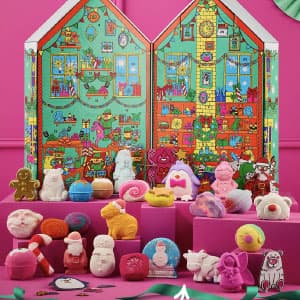
BathBox’s own framing is useful here. The store points shoppers toward dessert-inspired scents, fruity favourites, sleep-oriented blends, skin-friendly formulas and gift-ready sets. That kind of range is hard to judge quickly in a supermarket or chemist, where the packaging might be cute but the details are often thinner.
Ingredient transparency is the deal-breaker
In Australia, bath bombs are treated as cosmetics, not novelty items. The Australian Industrial Chemicals Introduction Scheme classifies them alongside cosmetics such as soaps, moisturisers and perfumes, which means ingredient disclosure is part of the product story, not a bonus extra.
The ACCC’s cosmetics ingredient-labelling standard says ingredient information should be listed on the product or its packaging so consumers can make informed choices and reduce exposure to allergens or irritants. That is especially important if you have sensitive skin or allergies, because the label is the quickest way to spot ingredients that might cause trouble. The ACCC has also said that access to ingredient information can reduce treatment costs when someone otherwise needs care for an allergic reaction.
For Australian shoppers, that turns ingredient transparency into a real buying test. If a seller is vague about what is inside the bomb, that is a warning sign. If a product page clearly spells out the formula, the ingredients and the skin benefits, you are already in a safer lane.
The best online listings explain the experience, not just the scent
A good bath bomb listing should tell you what kind of bath you are buying. BathBox’s advice is to read beyond the product photo and ask whether the bomb is designed for relaxation, skin soothing, dramatic colour release or gifting. That is the kind of detail that helps you avoid buying a sweet-smelling product that does not actually match the moment you had in mind.
This is where online stores beat a lot of physical shelves. A scent name alone does not tell you enough, but a fuller description can tell you whether you are getting a bedtime blend, a bright fruity soak or a showy fizz that is built for colour payoff. When the description is specific, you can shop for the outcome you want instead of gambling on packaging.
Gift-ready sets make the category easier to use
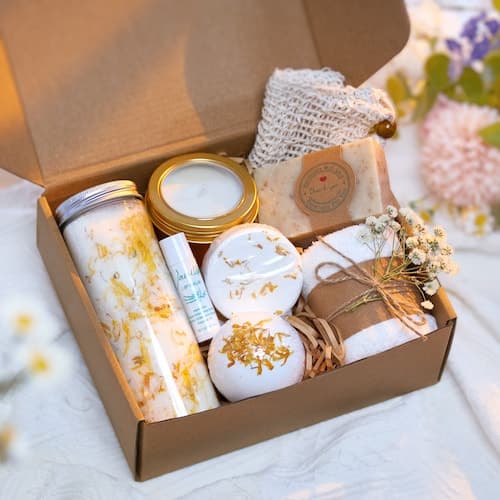
Bath bombs also work better online because they fit neatly into a bigger bath-time basket. BathBox notes that shoppers can pair bombs with bath salts, candles, shower steamers and accessories, which makes the category easy to use for birthdays, thank-you gifts and quick pick-me-ups.
That gift-readiness is one of the strongest reasons to buy online. You are not just buying a single item, you are often building a small self-care set that looks intentional instead of rushed. A good seller should make that easy by showing matching products, clear descriptions and packaging that feels ready to give rather than needing extra work from you.
Know the seller’s claims before you trust them
Online businesses have the same responsibilities to consumers as physical businesses, and the ACCC warns that some online platforms can make it harder for consumers to exercise their rights. That makes it worth slowing down and checking the claims on the listing, especially if the seller says a bath bomb is vegan, cruelty-free, Australian-made or sustainably packaged.

The ACCC also says environmental and sustainability claims must be true, accurate and based on reasonable grounds. So if a product page promises low-waste packaging or a greener formula, you want more than a fluffy badge. Look for concrete detail in the description, not just marketing language.
The category has gone a long way from its origin story
Bath bombs are not a tiny niche anymore. Lush says co-founder Mo Constantine invented the first bath bomb in 1989 in a garden shed, originally calling it an Aqua Sizzler. The company says it has since created more than 500 bath bomb designs and sold more than 40.5 million bath bombs last year, which shows how far the product has moved from novelty to everyday bath-and-body staple.
That scale helps explain why online retail works so well for the category. Once a product family grows that large, variety becomes the selling point. The online shelf lets you see the difference between a relaxing bedtime soak, a bright fruit-forward bomb and a gift set built for a special occasion.
The bigger retail backdrop
Australian shoppers are still buying plenty online, and the ABS reported that retail turnover rose 1.2 per cent in June 2025. That matters because bath bombs sit right in the middle of a market where people want easy, small-value purchases that still feel personal.
For a bath bomb buyer, the lesson is simple. Use the online shelf to compare ingredients, check the scent story, confirm the skin fit and judge whether the product is actually gift-ready. That is how you avoid the cute-looking bomb that turns into a mediocre soak, and how you end up with one that matches the bath you had in mind from the start.
This article was produced by Prism’s automated news system from verified source data, official records, and press releases, then run through automated quality and moderation checks before publishing. The system is built and supervised by the people who set the standards it runs under. Read our full AI policy.
Did this article answer your question?