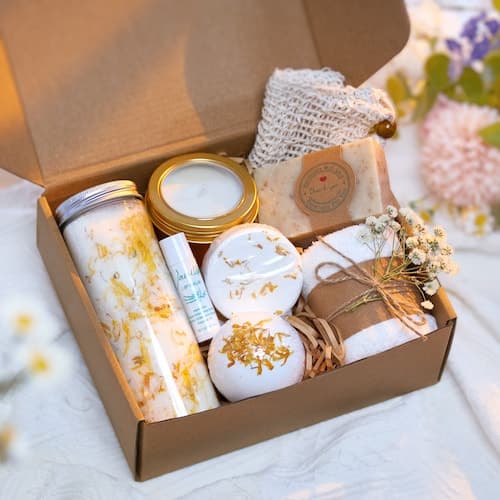
Yellow bath bomb turns bathwater urine-like, sparks viral laughter online
A yellow bath bomb left one tub looking urine-like and drew more than 1,000 likes, but the real lesson is how dye load changes once the fizz clears.
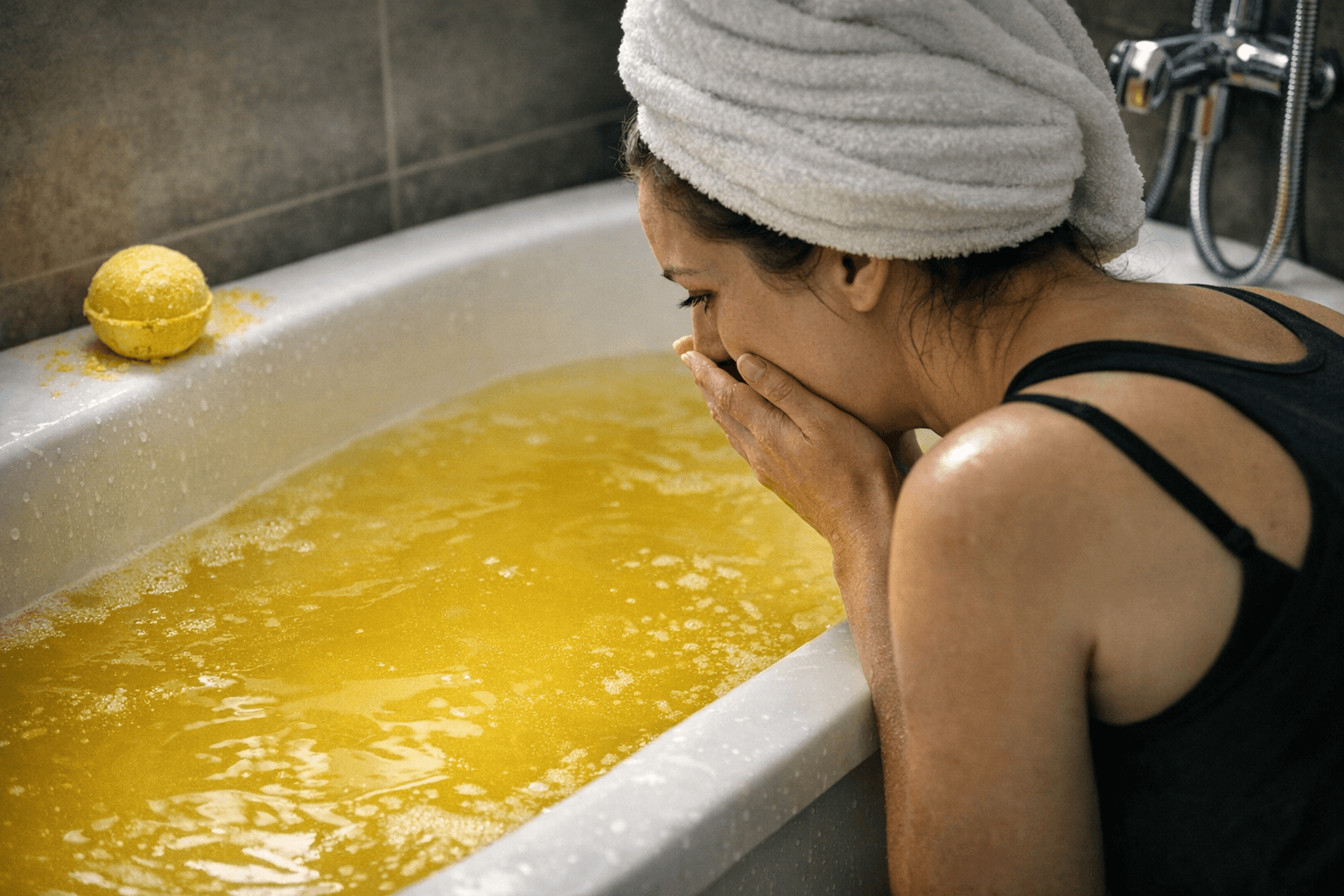
The joke landed fast: a yellow bath bomb hit the water, the tub turned urine-like, and the post drew more than 1,000 likes as readers laughed at the accidental “bathing in pee” look. Beneath the viral punchline sat a familiar bath bomb problem: bold color can read one way in the dry product, then behave very differently once the fizz disperses.
That mismatch is baked into how bath bombs work. Lush describes them as a simple blend of sodium bicarbonate, citric acid and other ingredients meant to make baths feel fun and soothing. The company says its bath art approach leans into color, fragrance and surprise elements, which is exactly why dramatic dissolves travel so well on social media, especially on TikTok, where color-reveal clips and swirling bathwater have become their own self-care genre.
The yellow mishap also fits a pattern that makers already know well. A similar viral moment involved a Lush Yoshi bath bomb tied to Nintendo and The Super Mario Galaxy Movie branding, which turned bathwater bright red and set off both jokes and backlash over how alarming it looked in the tub. In both cases, the spectacle came from the same place: a high-pigment formula doing exactly what it was designed to do, just in a way the eye did not expect.
Lush says co-founder Mo Constantine invented the first bath bomb in her garden shed in 1989. Since then, the company says it has created more than 400 designs and sold over 300 million bath bombs globally. Some of its products are self-preserving and are meant to be stored dry until use, a reminder that moisture control matters before the product ever reaches the bathtub.
The bigger takeaway for makers is simple: test the color as hard as you test the fizz. A bath bomb that looks cheerful on the table can dump far more dye than intended once it hits hot water, especially if the pigment is concentrated or the color is meant to be vivid for camera appeal. If the goal is a gift or a post that reads as gorgeous instead of alarming, start with a small batch, check how the water looks after the foam clears, and watch the final tint rather than the dry shell.
That caution matters even more for sensitive skin. Lush says sensitive skin can react to irritants by flushing, stinging or burning, and that no ingredient can be guaranteed to avoid irritation for everyone. The company points to Butterball, a long-running favorite with relatively few ingredients and moisturizing cocoa butter, as a gentler option. In a market built on shock color and shareable dissolves, the best formulas are the ones that look good after the fizz is gone.
This article was produced by Prism’s automated news system from verified source data, official records, and press releases, then run through automated quality and moderation checks before publishing. The system is built and supervised by the people who set the standards it runs under. Read our full AI policy.
Did this article answer your question?