Kid-Friendly Bath Bombs Hide Tiny Ducks for Surprising Reveal
A tiny duck inside a fizzy bath bomb turns tub time into a surprise reveal. Simple ingredients and careful prep make it easy to repeat this weekend.

Why the hidden duck version works so well
Drop one into the tub and the fizz does the storytelling for you: the shell dissolves, the color softens, and a tiny rubber duck appears at the center. Anna’s idea at Down Redbud Drive turns a standard bath bomb into a kid-friendly reveal, which is exactly why it lands so well with families who want something playful but still easy to make.
The real strength of this project is that it does more than entertain for one bath. Anna frames it as a repeatable format, not a one-off craft, and that makes it useful for birthday favors, weekend activities, and themed surprises that can be adapted far beyond ducks. The hidden toy is the hook, but the method is the value.
What goes into the bomb
This is not a fussy boutique formula with mystery ingredients. The supply list is straightforward, and it tells you the recipe is designed for practical home use: baking soda, citric acid, cornstarch, white bentonite clay, avocado butter, coconut oil, polysorbate 80, mica colorants, kid-safe scented oils, and a hidden center, either mini rubber ducks or resin animals.
The base ingredients matter because they are the classic bath bomb structure. Science Buddies explains that simple bath bombs commonly use baking soda, citric acid, and cornstarch, and that water triggers the reaction. In plain terms, the bath bomb is built to stay solid until it hits the tub, then break apart in a controlled fizz that releases carbon dioxide.
That chemistry is part of why this version works as a kid project. You get the physical payoff of watching the bomb dissolve, and you get the science lesson baked in without turning the experience into homework. Baking soda and citric acid are the visible stars of the show, but the rest of the ingredient list helps the finished bomb feel more polished and giftable.
- Baking soda, citric acid, and cornstarch form the classic bath bomb base.
- White bentonite clay, avocado butter, coconut oil, and polysorbate 80 round out the recipe.
- Mica colorants and kid-safe scented oils add the visual and sensory finish.
- Mini rubber ducks or resin animals give you the hidden reveal.
How to build the surprise without wrecking the bomb
The biggest practical tip in Anna’s post is also the one most likely to save you a mess: prepare everything in advance. Once the wet and dry components are combined, the mixture comes together quickly, so you do not want to be hunting for a duck, a mold, or your scent oil while the batch starts to set.
That speed changes how you should work. Set the hidden toy first, line up the ingredients before you mix, and make the reveal the center of the build rather than an afterthought. If you are making a set for a party, this is where the project becomes efficient, because the same basic method can be repeated for each bomb with just a different surprise inside.
The duck is the most obvious version, but it is not the only one. Anna points out that the same concept can be adapted for themed party favors, including green bath bombs with small game toys for a Minecraft party, a SpongeBob version, or a Hot Wheels bomb with a mini car inside. That flexibility is what makes the recipe feel smarter than a novelty craft.
The smartest way to use it for kids
This is where the project earns its “kid-friendly” label. The hidden toy makes bath time feel like a reveal instead of a chore, and the recipe can be tailored to the age, interests, and skin needs of the child you are making it for. A duck is the simplest choice, but the theme can shift to match a birthday, a holiday, or just a child’s current obsession.
The bath bomb also works as a budget-friendly favor, which is part of its appeal. Instead of buying something disposable and forgettable, you can hand over a bath bomb that doubles as an activity and a payoff, and the surprise inside makes it feel more expensive than it is. That combination is exactly why these projects keep showing up in family craft circles.
There is one more reason this format sticks: it is tactile. Kids get the fizz, the color, the scent, and then the reveal. That sequence gives the bomb more staying power than a plain fizzy sphere, because the reveal makes the bath feel like an event.
Safety, skin sensitivity, and cleanup
The hidden toy is the headline, but safety is the part you do not want to hand-wave. The U.S. Consumer Product Safety Commission defines a children’s product as one designed or intended primarily for children 12 years of age or younger, and the U.S. Food and Drug Administration says companies and individuals who market cosmetics are responsible for making sure those products are safe. That matters because bath bombs sold or marketed as cosmetics can raise labeling and safety-compliance issues.
For home use, the practical takeaway is simple: treat fragrance, dyes, and the hidden toy with care. Public safety guidance notes that fragrance and dye ingredients can irritate some children, especially those with sensitive skin or conditions such as eczema, so the gentlest version is usually the one with restrained scent and color. The listed kid-safe scented oils and mica colorants still deserve a cautious hand if you are making the bombs for a mixed group.
Cleanup matters too, especially when you are making these with children in the room. A small hidden duck or resin animal is easy to lose on a bathroom floor, and the faster the mix comes together, the more important it is to keep your workstation tidy before the wet and dry ingredients meet. If you are making several at once for a party, separate the toys, the molds, and the dry ingredients first so you are not scrambling mid-batch.
Why this is part of a much bigger bath-bomb story
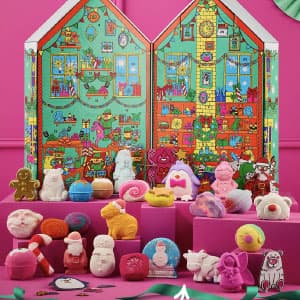
This duck version sits inside a category that has already gone mainstream. Lush credits Mo Constantine with inventing the first modern bath bomb in 1989, originally called the “Aqua Sizzler,” and says the company has since sold more than 350 million bath bombs globally while creating more than 500 designs. In 2025, Ruby West said Lush was selling 1.5 bath bombs per second, or about 40 per minute worldwide, which tells you how far the format has traveled from novelty to staple.
That history helps explain why a simple hidden-toy twist feels fresh even now. The core idea is old, the fizz is familiar, and the chemistry is unchanged, but the reveal gives the format a new use in family life. When a bath bomb can be both a science lesson and a duck hunt, it stops being just a bath product and becomes a repeatable little event you can build around a weekend at home.
This article was produced by Prism’s automated news system from verified source data, official records, and press releases, then run through automated quality and moderation checks before publishing. The system is built and supervised by the people who set the standards it runs under. Read our full AI policy.
Did this article answer your question?