City of Games explains how to make board game prototypes
City of Games treats prototyping as a design skill, showing how rough mockups speed playtests, sharpen feedback, and teach you what the game really is.
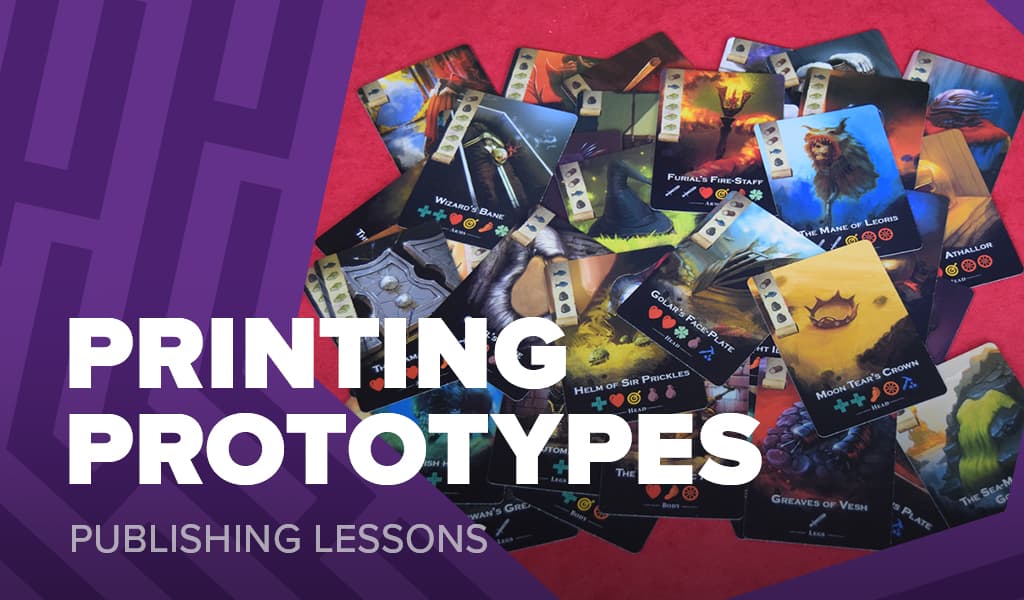
Home-printed cards and placeholder tokens are enough to build a board-game prototype you can actually test. City of Games’ page titled “How I make prototypes” treats the prototype as the place where a tabletop design starts speaking back. In board games, a rule set can look elegant on paper and still fail the moment pieces hit the table. A working mockup is the tool that tells you whether the game is understandable, playable, and worth another round of changes.
Prototype first, polish later
Prototype making sits at the center of tabletop design because board games are tactile by nature. A concept only becomes fully legible when players can move cards, push tokens, and see the sequence of choices in front of them. That is why so many experienced designers treat rough components, printable parts, and fast iteration as part of the design itself rather than a separate production phase.
In a post published on August 7, 2023, Jamey Stegmaier wrote that prototyping, playtesting, and development are “the heart of game design.” A Medium article published on August 30, 2024, tied prototyping directly to playtesting, iteration, and fun. Board Game Design Lab’s playtesting guidance calls playtesting the most important part of the game design process.
Build something you can actually test
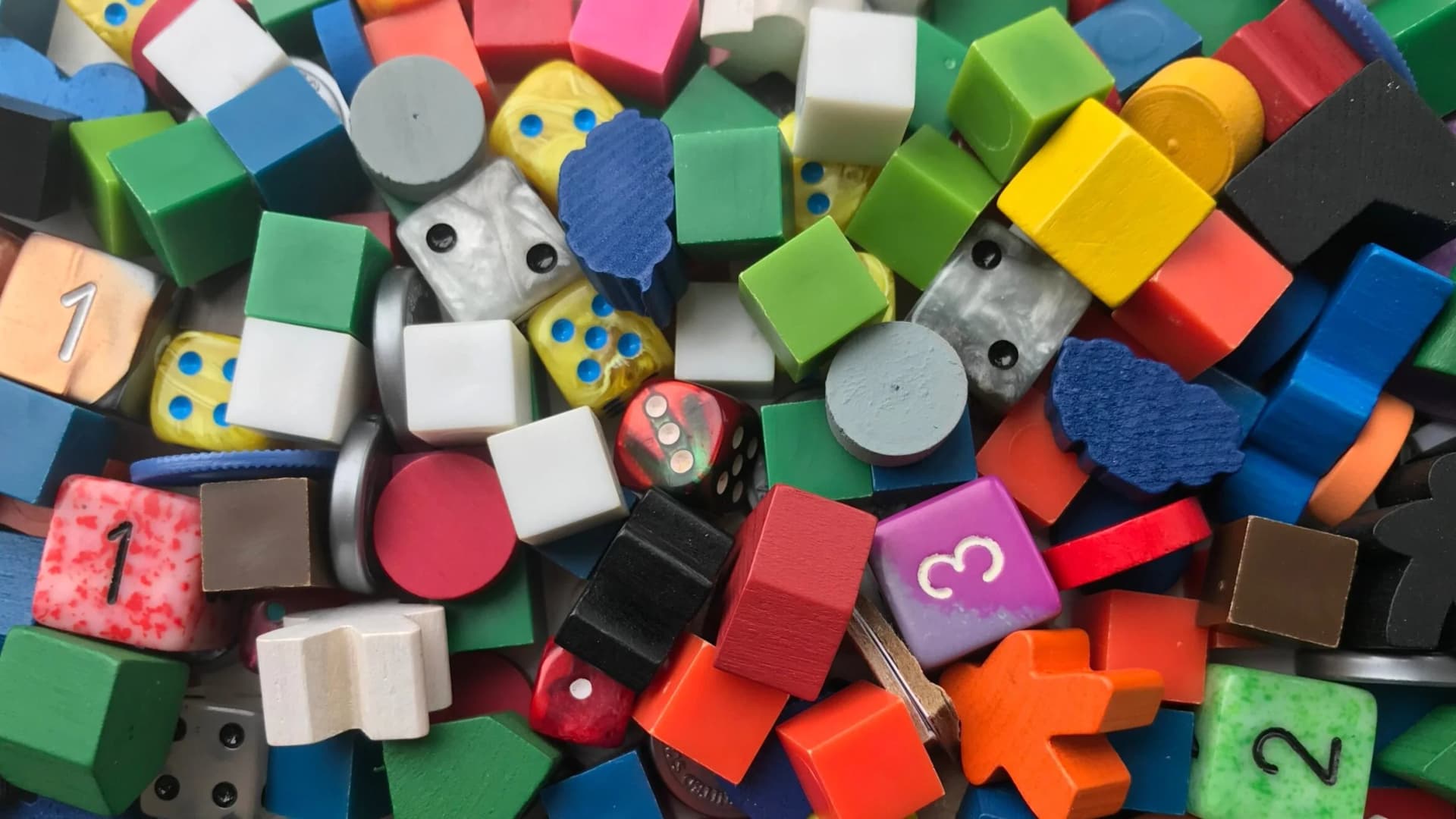
The City of Games approach strips away the myth that a prototype has to look impressive. In practice, prototype production often means home printing, cutting, sleeving, placeholder tokens, and other improvised components. That mix is messy by design, because its job is not to sell the game. Its job is to answer the fastest possible version of the question, does this core loop work?
A low-cost prototype can be built from materials almost any designer already has access to:
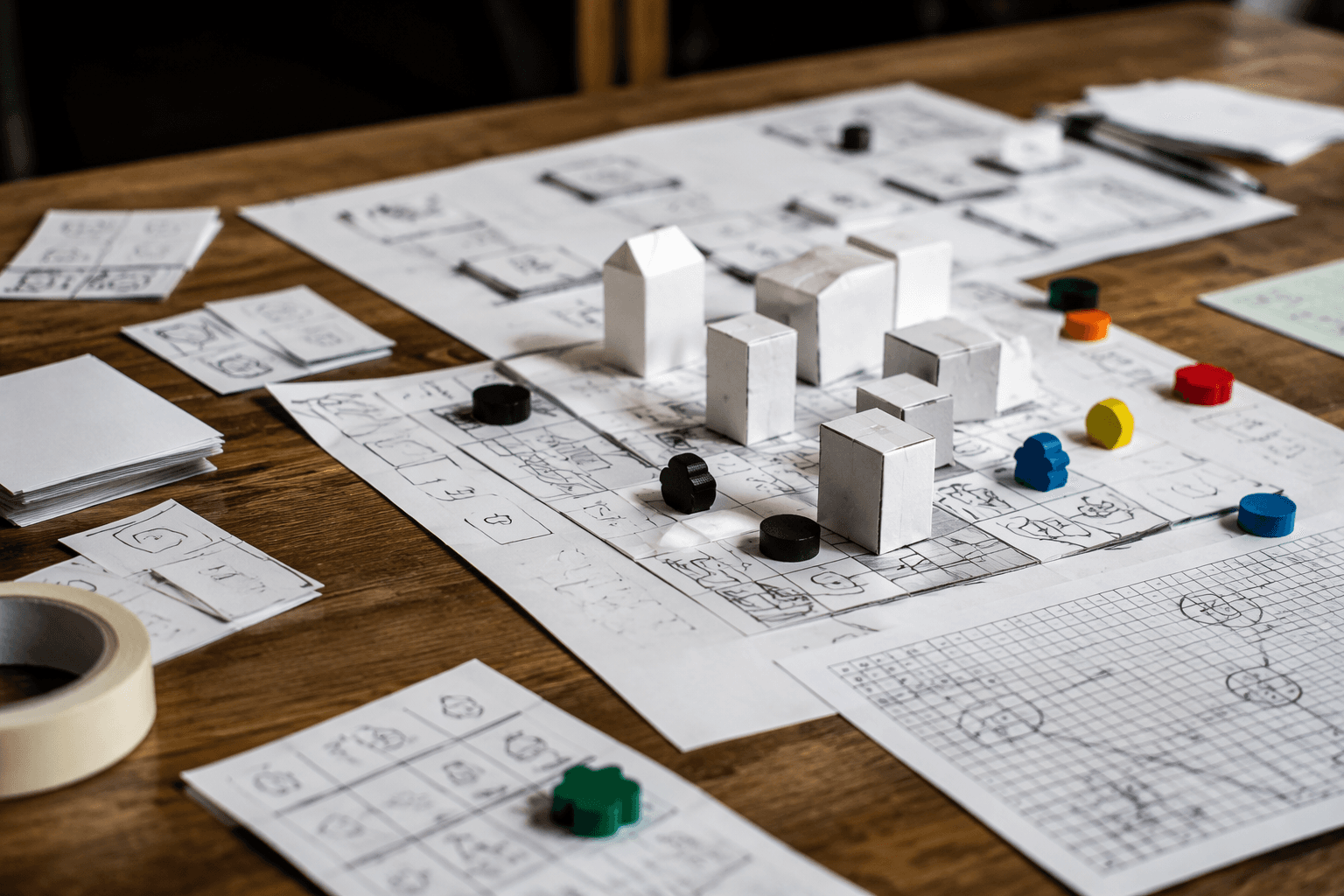
- home-printed cards and boards
- cut paper or cardstock components
- sleeves used to hold temporary inserts
- placeholder tokens and improvised markers
- quick substitutes that make the game readable at the table
That kind of build keeps the process moving. If a game needs a new icon, a revised hand limit, or a different scoring track, you can change it quickly and test again the same day. The benefit is not just speed. It is also feedback quality, because players respond to the actual structure of the game instead of getting distracted by artwork or finished-product expectations.
Make the prototype match the stage you are in
Prototype quality should change as development changes. Early versions need speed and clarity more than polish, while later versions can start reflecting layout, iconography, and component hierarchy more accurately. The wrong level of fidelity can distort feedback. Too polished too early, and you may hide problems under presentation. Too rough too late, and you may struggle to judge whether the game will still work when it is organized more cleanly.
Prototype choices also affect iteration speed and designer learning. A rough mockup makes it easier to change rules, test pacing, and see whether players understand their decisions. A more refined version, built only after the core is stable, can reveal whether the information layout supports the experience you want.
What the wider tabletop design culture has been saying
On February 14, 2022, Stonemaier Games published “4 Steps to Pitch Your Game to a Tabletop Publisher,” separating the pitching process from the simple act of making a game. A prototype that helps you playtest well may still need adjustment before it communicates clearly in a pitch setting.
Stonemaier has also used prototypes as a public marker of unfinished work. In a post from October 25, 2015, Jamey Stegmaier wrote, “No, it’s just a prototype,” while discussing the Scythe prototype. More recently, Stonemaier’s May 11, 2025 post framed its “10 Steps to Design Your First Tabletop Game” around process, not end result, starting with motivation and research before moving deeper into development.
TTGDA’s prototyping resources and Stonemaier’s 2023 and 2025 design posts emphasize testing with multiple groups, choosing testers carefully, and keeping the game moving through revision. Gabe Barrett’s Board Game Design Lab treats playtesting as the most important part of the process.
Why City of Games’ framing works
“How I make prototypes” does not treat the prototype like a glamorous artifact. It treats it like a craft object, something you learn by doing. The page sits inside City of Games’ Publishing Lessons section, and the title makes the aim obvious: this is about making something functional enough to enter the conversation with players. The images of printing prototypes reinforce that hands-on message instead of softening it with polish.
This article was produced by Prism’s automated news system from verified source data, official records, and press releases, then run through automated quality and moderation checks before publishing. The system is built and supervised by the people who set the standards it runs under. Read our full AI policy.
Did this article answer your question?