Bonsai intake starts with diagnosis, not styling
The first 30 minutes with a new bonsai are for cleaning, reading, and triage. Dupuich’s intake sequence shows why diagnosis comes before any styling cut.
The first half hour with a new bonsai is not for chasing a finished silhouette. It is for triage, for stripping away the noise so you can see what the tree actually is, not what you hope it might become. Jonas Dupuich’s intake routine makes that point cleanly: diagnosis comes first, styling comes later, and only if the tree has earned it.
Start by making the tree readable
Dupuich’s sequence is practical and deliberately unsentimental. He clears weeds, replaces the surface soil, removes flaky bark only when it is not wanted, strips discolored foliage, cleans deadwood features, and checks for pests or disease before making only light cuts on a tree that looks healthy enough to tolerate them. That order matters because it turns the tree from a mystery into something you can read: where water is moving, where light is reaching, and whether bark or foliage problems are hiding bigger issues.
That is the real lesson in the intake approach. If you reach for major styling too early, you are working blind. A new tree can hide weak interior growth, pest damage, or deadwood that needs attention before any design decision makes sense. Cleaning first is not cosmetic housekeeping, it is the fastest way to get honest information.
Use the tree to tell you what is going on
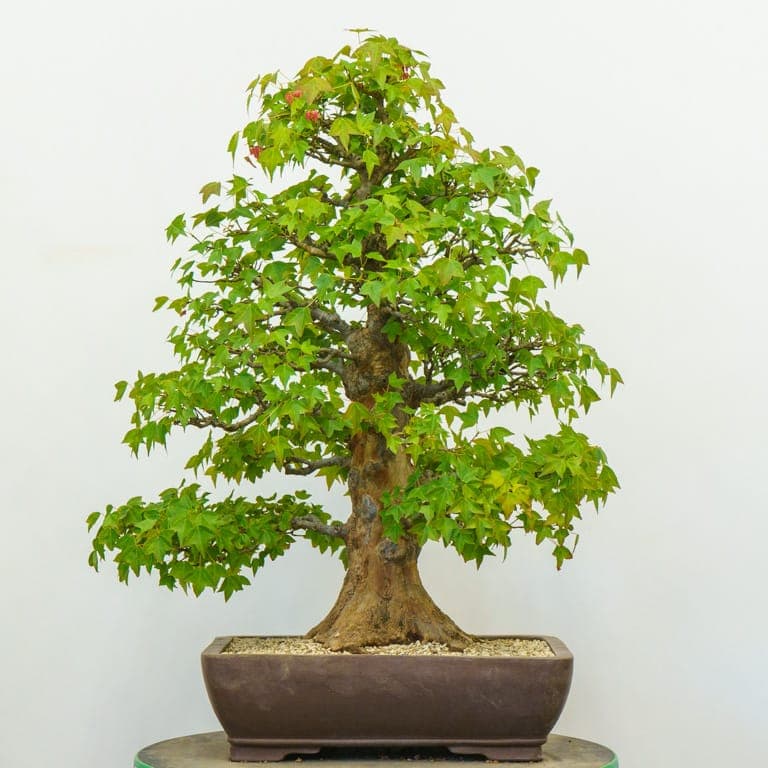
The examples in Dupuich’s post make the logic obvious. On a trident maple, clearing the surface soil and cleaning the trunk made the tree’s condition easier to judge, especially because the interior foliage had been shaded out. Once the clutter was gone, the tree’s structure was easier to read and the weak areas were easier to spot.
A Sierra juniper demanded a different reaction. Yellow foliage and heavy flaky bark sent the work in a more cautious direction, with a closer look at the trunk and deadwood before any major design choices. That is the kind of intake work that saves you from making a pretty mistake. A tree with compromised foliage or suspicious bark is telling you to slow down, not speed up.
The California oak in the post shows the same restraint from another angle. Dupuich chose only light cutback because he wanted to see how the tree responded before reducing branches more aggressively. That is the right instinct with a new acquisition: if the tree is healthy, you can always do more later. If it is not, heavy work now can cost you the tree before you ever get a chance to improve it.
The first work is observation, not commitment
This intake mindset is not a one-off trick. Bonsai Tonight has built a long archive around the same kind of practical development thinking, including past posts on trident-maple cutback, partial defoliation, and Sierra juniper first steps. The point is consistent across those topics: intake is part of a broader development workflow, not a standalone cleaning exercise.

The Bonsai Tonight homepage backs that up by framing the site as a place to learn techniques through hundreds of how-to articles aimed at improving bonsai skills. That fits the tone of Dupuich’s intake piece. He is not selling a dramatic transformation. He is teaching you how to get enough information to make the next decision without guessing.
Healthy trees get more work later
Dupuich also ties intake to the larger rhythm of bonsai work. He prefers to get trees as healthy as possible, repot them when the season is right, and only then do the normal development work once he understands what is going on above and below the roots. That order is the backbone of good management. You do not rush to style a tree whose energy, roots, or foliage are still unclear.
That approach is especially useful for new acquisitions, where every surface clue matters. If the tree arrives with tired foliage, suspect bark, or cluttered surface soil, the first job is to reveal condition, not impose design. The better you understand the tree’s health on day one, the fewer expensive mistakes you make in month one.
Know where good trees come from and where the culture is heading
Three of the trees in Dupuich’s discussion were picked up at Lotus Bonsai Nursery & Gardens in Placerville, California, at 1435 Lower Lake Drive. The nursery describes itself as a full-service bonsai nursery, and its offerings include workshops, one-on-one classes, demonstrations, field trips, and tree-gathering trips. Visits are by appointment only, which fits the same deliberate pace that good intake demands.
The post also points toward the U.S. National Tropical Bonsai Exhibition, while the broader U.S. National Bonsai Exhibition in Rochester, New York says its exhibitions are inspired by Japan’s Kokufu Bonsai Exhibition. The 2025 U.S. National Bonsai Exhibition featured over 178 display areas and 281 individual bonsai, including 29 shohin bonsai compositions with 121 small-size bonsai. It represented 135 artists from 27 states, Canada, and Puerto Rico, and its commemorative album says it includes over 100 different species and over 100 shohin bonsai.
That is the same lesson at a bigger scale: bonsai value comes from informed seeing, not hurried styling. The first 30 minutes with a new tree should leave you with a cleaner trunk, a clearer reading of the foliage, and a much better sense of what the tree can handle next.
This article was produced by Prism’s automated news system from verified source data, official records, and press releases, then run through automated quality and moderation checks before publishing. The system is built and supervised by the people who set the standards it runs under. Read our full AI policy.
Did this article answer your question?