Bonsai styles reveal how artists shape trees with meaning
Bonsai styles turn a tree into a readable composition. Once you know the silhouette, you can see intent in the trunk, branches, and roots.
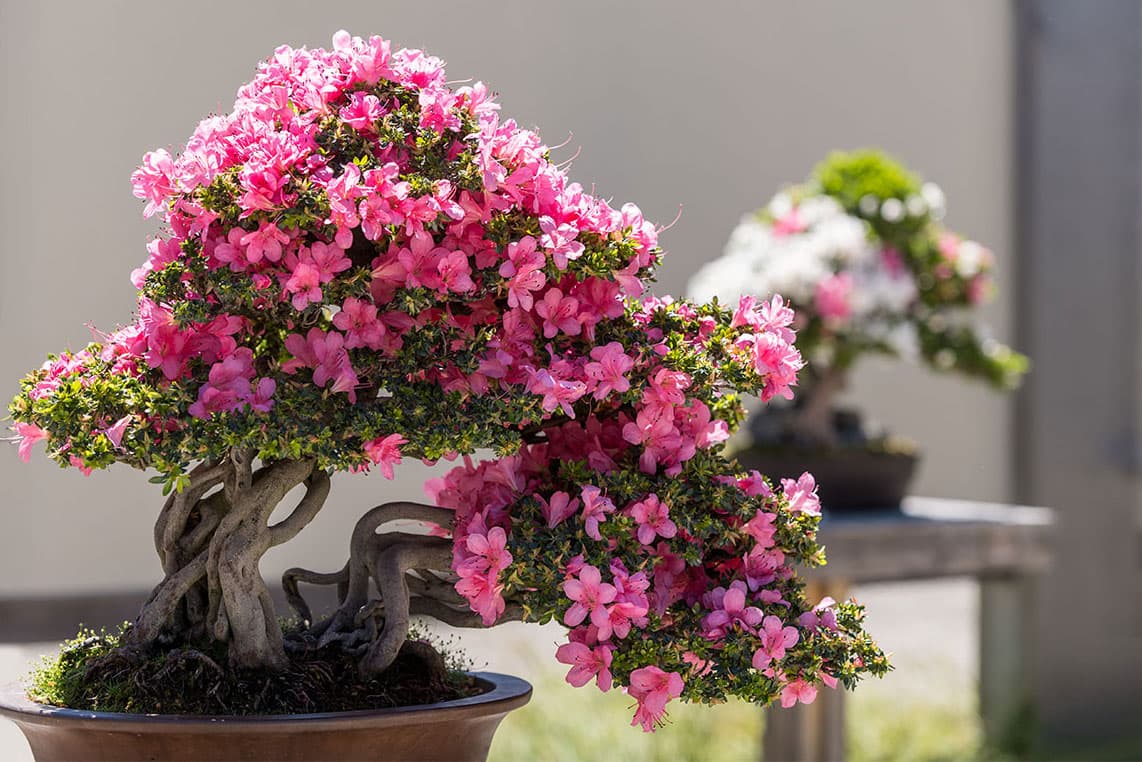
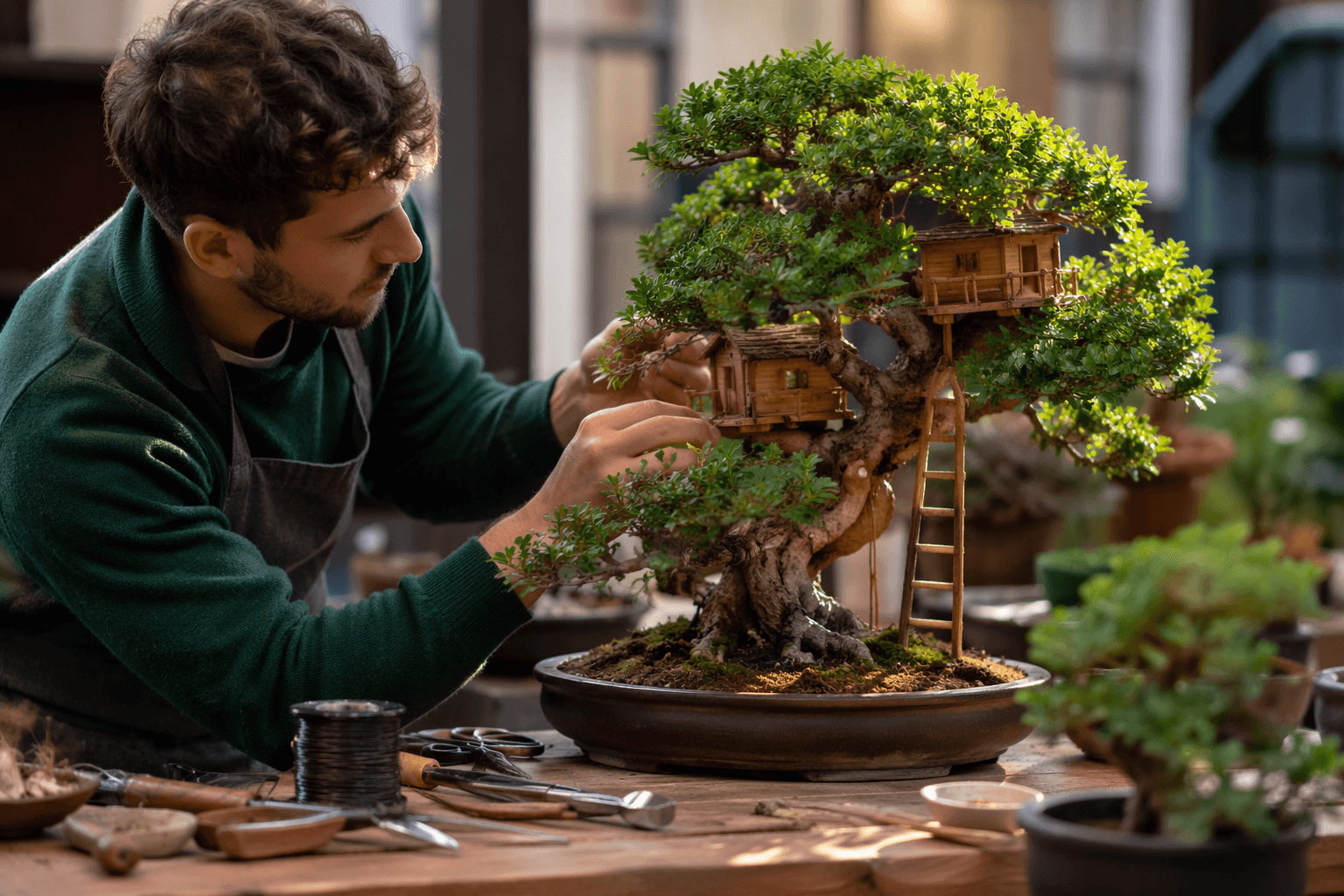
At Matthaei Botanical Gardens and Nichols Arboretum, bonsai style names are clues to how the artist wants you to see motion, age, balance, and restraint in a single plant. A formal upright holds itself with calm authority, an informal upright bends with more personality, and a cascade pushes the eye down past the pot rim.
Reading the tree before you read the label
Bonsai styles are built around appearances that shape perception. The cultural side of the art is part of the point, much like painting, dance, or music, where form carries meaning before you ever start measuring technique. Styled plants also keep growing, which is why a tree may shift from one style to another as it develops.
The historical roots make that clearer. Japanese bonsai grew out of Chinese penjing traditions, and an early illustration of penjing appears in a tomb mural dated to 706. By 1603, the term bonsan had made it into a Japanese and Portuguese dictionary. Elite circles in Japan, including the Muromachi shogunate and priests, were early enthusiasts, and homes were built with special display spaces for viewing the trees.
The upright family: order, movement, and tilt
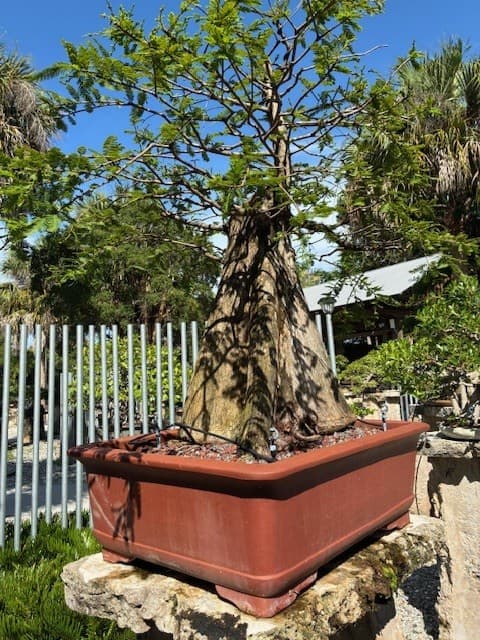
The easiest styles to recognize are the upright forms, because they are built around the trunk line. Formal upright is the cleanest of the group: a straight trunk centered over the base, with the tree reading as balanced and composed. Informal upright keeps the same basic upward structure, but the trunk turns sinuous or contorted, so the tree feels less ceremonial and more lived-in.
Leaning, often taught as slanting, pushes the trunk off vertical and makes the whole tree feel as if wind, snow, or terrain has worked on it over time. Washington State University Extension lists formal upright, informal upright, slanting, semi-cascading, and full cascade among the five basic styles commonly taught in bonsai. A young plant can be trained toward one silhouette, then redirected as its branches thicken and the artist sees a better line.
When the pot stops being the top edge
Cascade is the style most people notice first because it breaks the frame. The trunk descends below the rim of the pot, and the visual weight falls downward instead of rising up. Semi-cascade keeps some lift before the trunk dips, which gives the tree a little more tension, as if it is leaning over a cliff instead of going all the way over it.
Crowns, clusters, and the quiet work of negative space
Broom style changes the whole mood by making the canopy read as a dome. The trunk rises, then the branches subdivide finely to form a rounded crown, almost like a mature street tree reduced to its most graphic outline. It is a style that rewards clean branch division and a calm silhouette, because clutter ruins the effect fast.
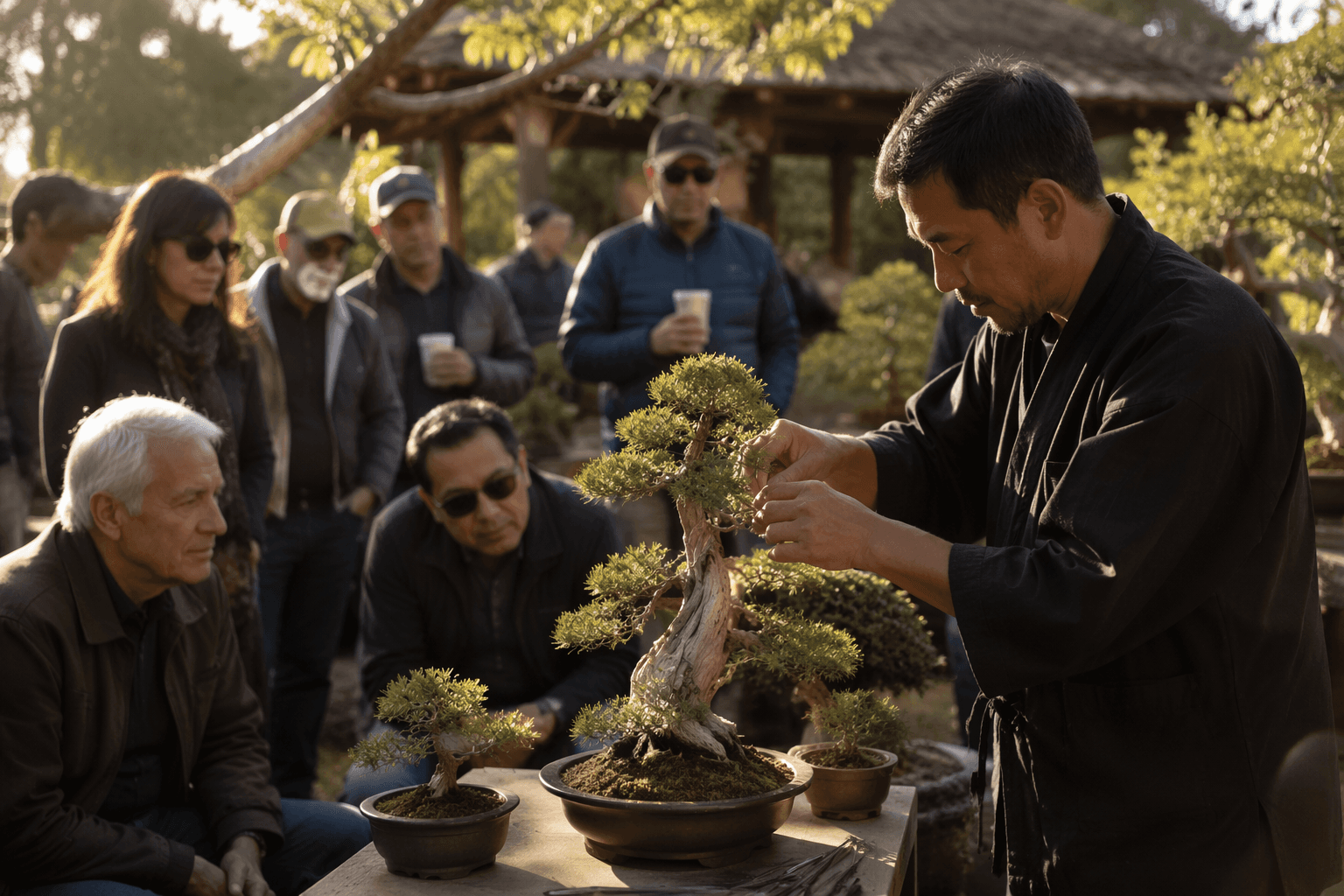
At Matthaei Botanical Gardens and Nichols Arboretum, forest style uses at least five trees to suggest woodland depth, and that minimum is important because the composition depends on relationship, not just individual specimens. One tree can be a character study, but five or more trees create scale, spacing, and the illusion of a stand of trees in a landscape.
Forest-on-rock and exposed-root styles push that same idea into the base of the tree. Instead of hiding the roots, the design asks you to notice how they grip stone or spread above the soil line.
Literati and raft: restraint with a strong point of view
Literati is one of the most distinctive styles because it looks almost underbuilt until you understand the intent. Known in Japanese as bunjingi, literally scholar's tree, it comes out of the Chinese scholar-painter tradition, where asymmetry, sparseness, tension, and negative space carry the expression. The trunk is slender, and the foliage tends to gather near the top, so the whole tree feels distilled rather than packed with detail.
Literati rejects fullness for attitude, and if the trunk line is weak or the empty space feels accidental, the style collapses.
Raft style takes another kind of risk by implying a fallen tree that has sent up vertical branches. Instead of presenting a single upright trunk as the main story, it turns a horizontal base into the origin of a small grove.
Why the names still matter in real exhibitions
The 2021 U.S. National Bonsai Exhibition presented 281 individual bonsai across more than 178 display areas, with 29 shohin compositions, over 127 species and cultivars, and 135 artists from 27 states, Canada, and Puerto Rico.
The Japan Bonsai Taikan Exhibition is one of the country’s largest indoor bonsai exhibitions in both display style and scale.
This article was produced by Prism’s automated news system from verified source data, official records, and press releases, then run through automated quality and moderation checks before publishing. The system is built and supervised by the people who set the standards it runs under. Read our full AI policy.
Did this article answer your question?