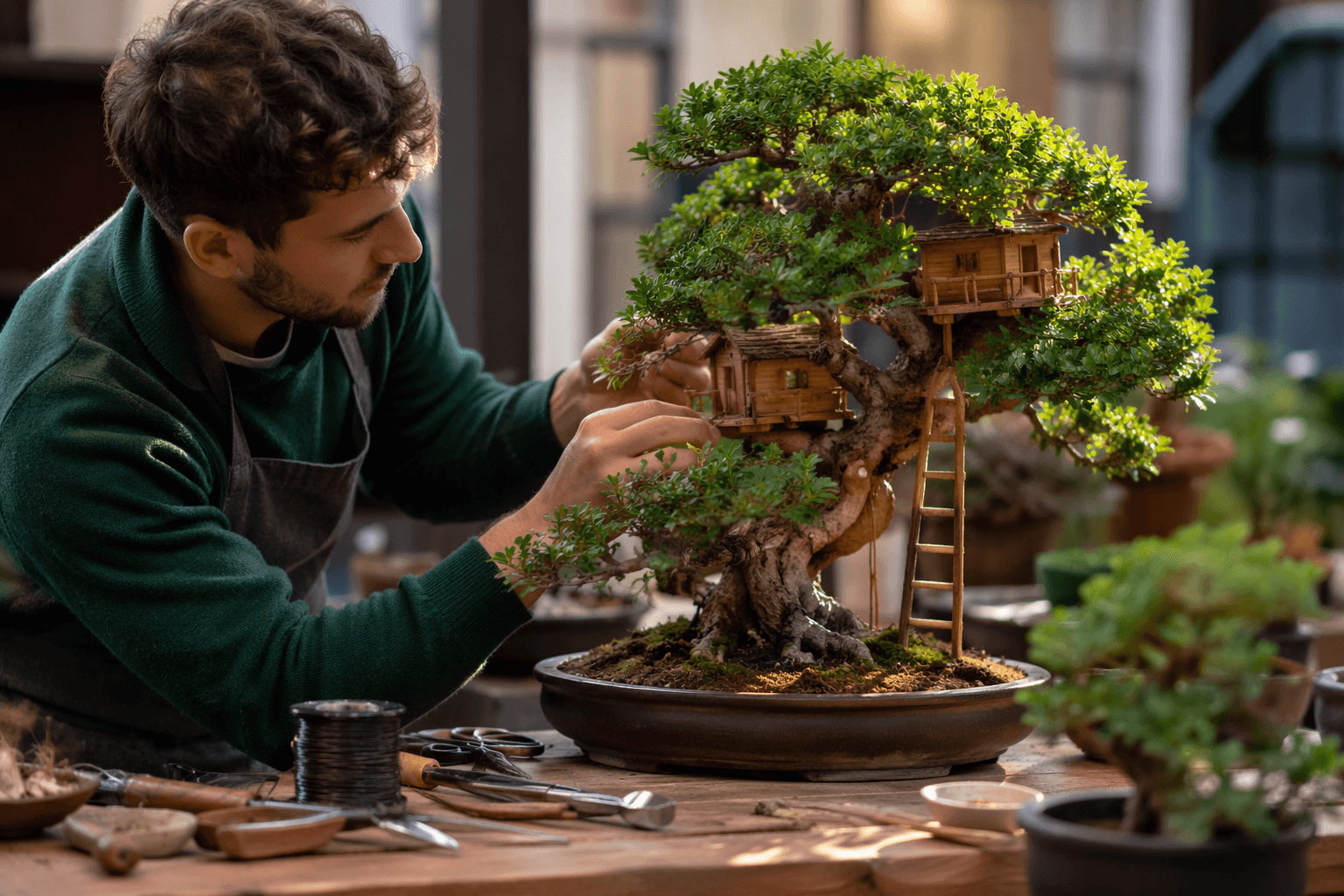
Cape Fear Bonsai Society Opens Rare Native Collection Window for Members
Cape Fear Bonsai Society’s members-only native collection run had a 120-day permit window, a 1.5-mile walk, and a tight April 19 meet-up in Hampstead.
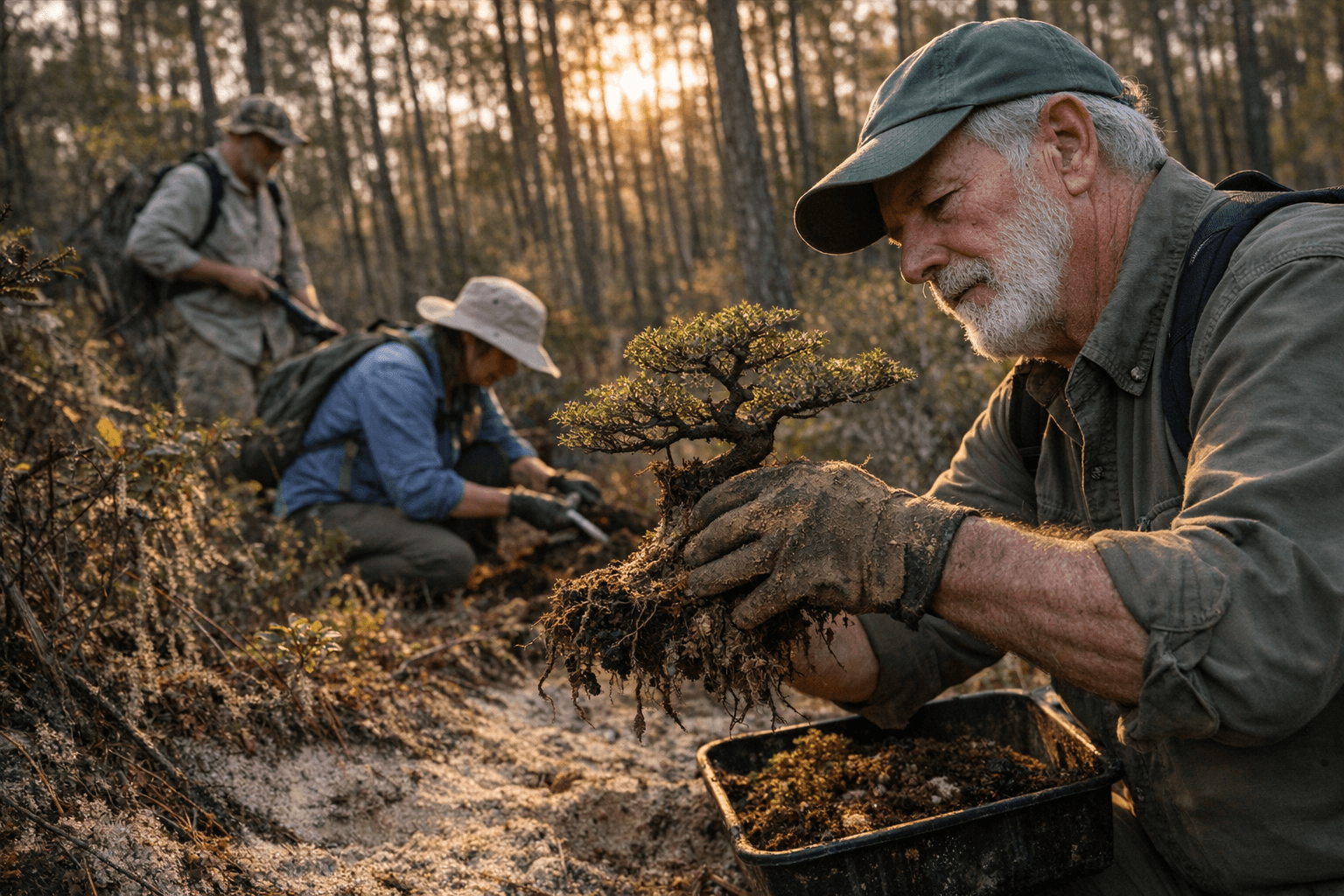
Cape Fear Bonsai Society gave members one of the few legal chances in the hobby to collect native material, and it did it under a narrow 120-day permit window that made the April outing feel less like a club trip and more like controlled fieldwork. The members-only collection run was set for Sunday, April 19, 2026, from 9 a.m. to noon, with participants meeting at the Food Lion parking lot at 14564 US-17 in Hampstead before traveling together to the permitted site.
That setup mattered because the club treated the outing as official society business, limited to current members in good standing, with RSVP required and capacity capped. Site details stayed private until registration, and the listing made clear there was no independent access. That kind of protocol is exactly what separates responsible yamadori collecting from casual digging: the trees are there only because the club secured permission, and the location is protected because trust matters as much as enthusiasm.
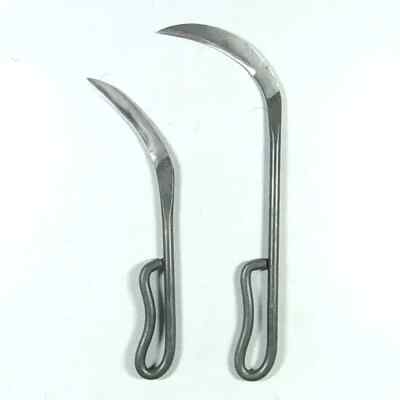
The practical side of the outing was just as specific. Collectors were told to bring hand tools such as shovels, root saws, pruners, collection containers, water, gloves, boots, sun protection, and even a battery-powered Sawzall for larger material. The round-trip walk was described as roughly 1.5 miles over uneven ground, with soft soil and standing water in places, so this was never going to be a casual workshop. The club also set restoration expectations, including filling holes and cutting removed branches into manageable pieces before leaving the site.
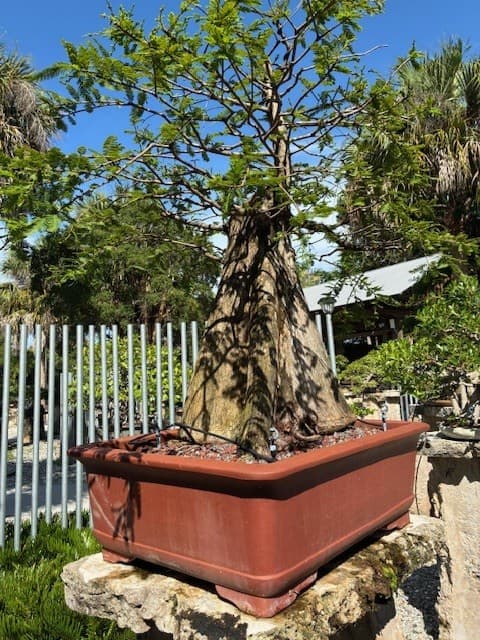
For bonsai people, that is the part worth paying attention to. Yamadori is prized because wild-collected trees can have natural age and character that take years or decades to develop in a box or field grow bed, but the practice only works when the root system is handled carefully and the landowner’s permission is absolute. The broader legal backdrop is just as strict: the US Forest Service says permits may be required on national forest lands and that some areas, including Research Natural Areas, Experimental Forests, Special Interest Areas, and certain wilderness-designated zones, are off limits to collection. North Carolina also requires permits or certificates of origin for protected plant species, and state rare-plant guidance warns that unauthorized collection can worsen pressure on imperiled species and can carry fines or jail time.
The timing gives the outing added weight. Cape Fear Bonsai Society, established in 2001, also has an annual auction scheduled for April 26, 2026, and a bonsai exhibition set for June 13, 2026, at the New Hanover County Arboretum. With the permit window open through May 3 and more outing dates possibly added, the spring calendar showed a club that was not just meeting, but actively building a structured path for members to collect, study, and work native material the right way.
This article was produced by Prism’s automated news system from verified source data, official records, and press releases, then run through automated quality and moderation checks before publishing. The system is built and supervised by the people who set the standards it runs under. Read our full AI policy.
Did this article answer your question?