CBS Boston spotlights Bonsai West, where patience shapes living art
Bonsai West turns a 250-year-old Littleton farm into a living classroom, showing why patience, pruning, and old trees keep bonsai drawing new fans.
Bonsai West as the public-facing doorway
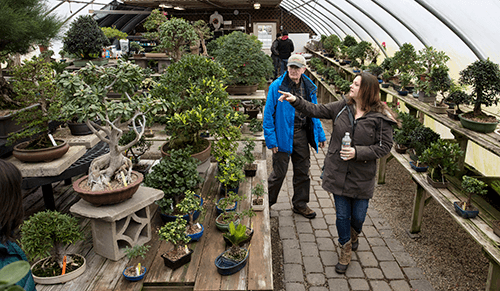
CBS Boston’s look at Bonsai West works because it does not treat bonsai like a niche collectible tucked away for experts only. It presents the Littleton nursery as one of New England’s premier bonsai destinations and leans hard into the thing most newcomers miss: these trees are not decorations you buy finished, they are living works shaped by repeated attention over years. Rachel Holt’s visit to the nursery’s carefully cultivated collection makes that point visually, but the real hook is the setting itself, a place where curiosity can turn into understanding in real time.
That matters now because bonsai often gets flattened into a style choice, when the better way to read it is as a discipline. Bonsai West’s own history backs that up. The nursery says it was founded in 1982 by Michael Levin and sits on two acres of New England farmland in Littleton, Massachusetts, on a 250-year-old farm. It is open year-round, which is exactly what you want from a place that has to teach patience, seasonal timing, and long-term stewardship instead of just selling a product and moving on.
What the segment gets right about bonsai
The strongest part of the CBS Boston feature is the way it reframes bonsai as both horticulture and cultural practice. Britannica describes bonsai as ordinary trees and shrubs trained through pruning roots and branches and wiring branches, and that framing fits Bonsai West’s message almost perfectly. The art is not mystical, but it is exacting. Every cut, every wire, and every decision about structure has consequences, which is why the finished tree can look effortless even though the work behind it is anything but.
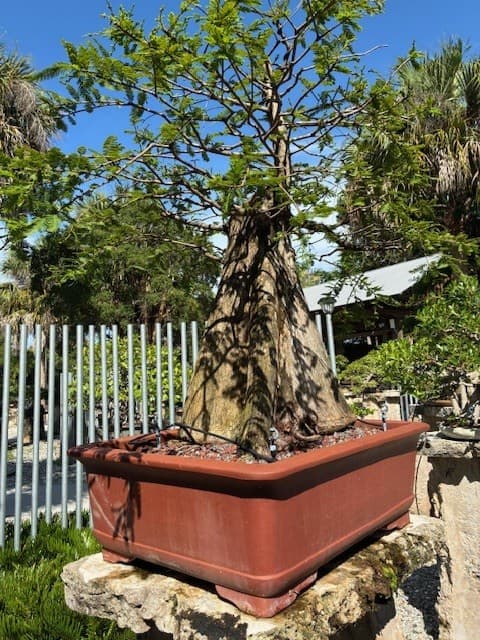
Bonsai West’s collection shows that spectrum clearly. The nursery says its garden and greenhouses include some of the largest collections of historically important specimen bonsai outside Japan, with trees ranging from more than 100-year-old specimens to younger pre-bonsai material. That range is useful for readers because it reveals the whole pipeline of the art form, from raw stock still being trained to mature trees that already carry decades of refinement. Seeing those stages in one place makes the process easier to grasp than any quick online clip ever could.
Why the shop matters beyond retail
Michael Levin’s long view is part of the reason Bonsai West lands as more than a store. A 2021 GrowerTalks profile said Levin began his bonsai journey about 40 years earlier, and that in the early days, teaching people how to keep bonsai alive was central to the business. That detail matters because it explains the nursery’s tone. Bonsai West is not simply selling a plant that looks finished on day one. It is helping people understand how to care for something that needs consistency, judgment, and the willingness to let time do its work.

That educational role is exactly what makes the CBS segment feel timely. The public-facing appeal of bonsai rises when people can see the methods, not just the result. A shop like Bonsai West turns abstract ideas like structure, pruning, and long-term stewardship into something tangible. The trees are impressive on their own, but the real entry point is the explanation behind them: why branches are wired a certain way, why growth is redirected instead of allowed to sprawl, and why a bonsai collection only looks serene because somebody has been making careful choices for years.
The broader bonsai world behind the nursery
Bonsai West also makes more sense when you place it in the larger American bonsai ecosystem. The American Bonsai Society says it was founded in 1967 to serve North American enthusiasts and provide information, advice, supplies, and educational resources. Its current mix of journals, newsletters, care guides, seminars, and a club directory shows that bonsai in the United States is supported by a real educational network, not just by lone collectors working in isolation.
That network is important because it reinforces the same lesson the CBS story highlights: bonsai is learned, not guessed. If you are trying to get past the usual beginner mistake, which is treating a bonsai like a regular houseplant in miniature, the best clues come from places that show technique in context. Bonsai West’s year-round presence, its specimen collection, and its role as a teaching ground all help newcomers see that the craft lives somewhere between gardening, sculpture, and stewardship. It is not about forcing nature into a shape on demand. It is about guiding a tree slowly enough that the shape feels inevitable.
Why this moment resonates
The reason this story travels beyond the hobby crowd is that it offers a clean answer to a question many people have without knowing how to ask it: what actually makes bonsai special? The answer is not rarity for its own sake. It is the combination of patience, repeated attention, and a living tradition that stretches back more than 1,000 years in China before developing primarily in Japan, as Britannica notes. Bonsai West gives that tradition a local address, with old specimen trees, younger material, and a farm setting that makes the timeline visible.
That is why the CBS Boston segment lands as more than a profile of a nursery. It is a reminder that bonsai becomes compelling when you can see the work behind the form. Bonsai West, with its 1982 founding, its 250-year-old farm in Littleton, and its trees that span more than a century of life, shows exactly how the art keeps finding new audiences. The draw is not a quick trend. It is the chance to watch patience shape living art, one careful cut at a time.
This article was produced by Prism’s automated news system from verified source data, official records, and press releases, then run through automated quality and moderation checks before publishing. The system is built and supervised by the people who set the standards it runs under. Read our full AI policy.
Did this article answer your question?