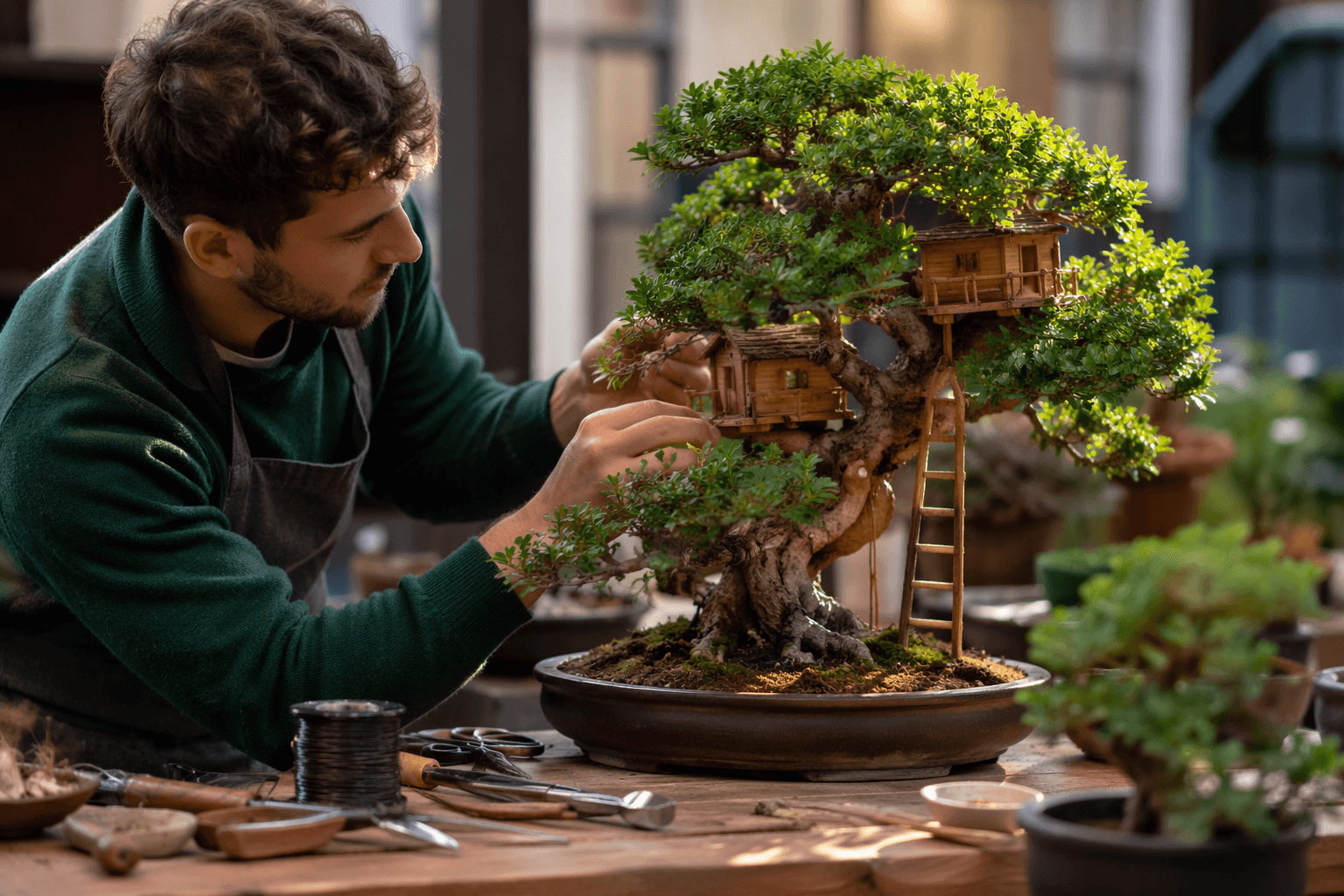
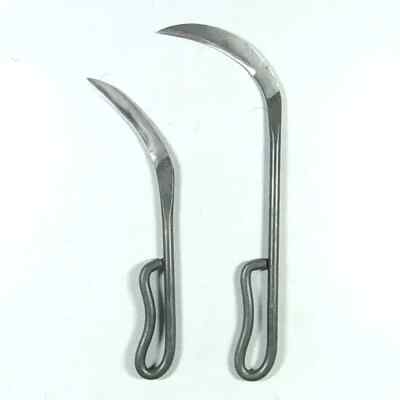
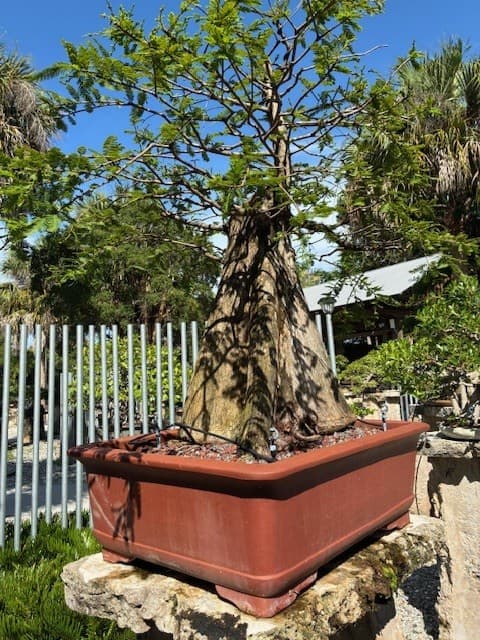
Fort Wayne workshop teaches bonsai basics, pruning, soil, and repotting
This Fort Wayne workshop covers soil, pruning, and repotting in one tight session, then sends you to the spring show to compare your first tree to the real thing.
A beginner class built around the parts that keep a bonsai alive
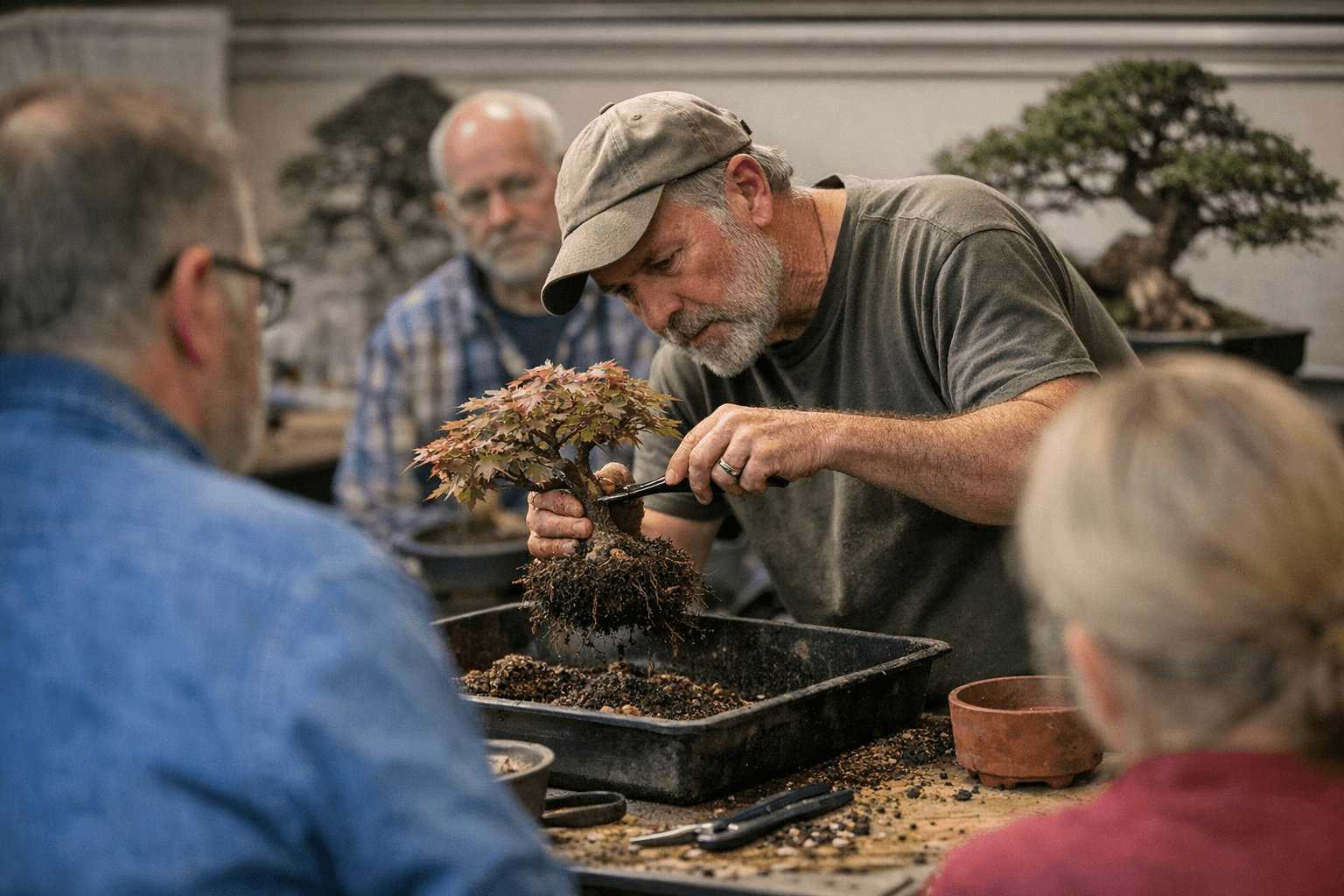
The useful thing about Bonsai for Beginners is that it starts with the unglamorous work that actually matters. On Saturday, April 25, 2026, from 9:00 a.m. to 11:00 a.m., the Botanical Conservatory in Fort Wayne is hosting a hands-on workshop led by members of the Fort Wayne Bonsai Club, and the focus is refreshingly practical: basic bonsai care, essential pruning, proper soil, successful repotting, and the techniques that give a new plant a long life.
That emphasis makes the class unusually beginner-friendly. Plenty of first bonsai failures happen long before styling becomes the issue, usually in the first round of watering, potting, or soil choice. This workshop gets right to those early mistakes, and it does it in a setting that is built for actual participation, not passive note-taking. The class is capped at 20 people, which is small enough to suggest real one-on-one guidance while participants prepare a container for their own small specimen.
Garden admission is included, so the workshop works as more than a single room reservation. It gives attendees access to the conservatory itself, which matters when the point is learning how bonsai fits into a living horticultural space rather than treating the tree like a decorative object.
Why the soil and repotting lesson matters
If a first bonsai survives, it usually survives because the root environment was right from the start. That is why the class’s attention to proper soil and repotting is the detail that stands out most. Bonsai is not just about trimming foliage into a pleasing outline. It is about balancing drainage, aeration, and water retention in a small container, then matching that mix to the needs of the tree.
The Fort Wayne workshop is built around that reality. Instead of focusing only on styling, it walks participants through the practical side of setting up a small plant for long-term health. That includes preparing a container, understanding why successful repotting matters, and learning the basic pruning and care decisions that help a tree recover well after being moved into bonsai culture. For a beginner, that is the difference between buying a tree and actually keeping one alive.
The age minimum is 15, and minors must attend with a registered adult. That makes sense for a session with live plant material, tools, and a hands-on format. The fee is listed at $42, or $39 for members, and the registration deadline was April 11, 2026, so the class was set up as a limited, booked-ahead experience rather than an open drop-in.
The pass to the Spring Bonsai Show is the smart part
The workshop gets even better because it is not isolated from the club’s bigger public program. Everyone who attends receives a pass to return to the Spring Bonsai Show on May 16, 2026, which turns the class into the first step in a longer learning loop. That is the kind of detail beginners usually need but rarely get: a chance to study the basics first, then come back and compare what they made against a full exhibition.
The Spring Bonsai Show is listed for Saturday, May 16, 2026, from 10:00 a.m. to 5:00 p.m. in the Foellinger-Freimann Botanical Conservatory’s Magnolia Room. Members are present to discuss the art form and answer questions, which matters if you are still figuring out the difference between a decent tree and a truly good one. Beginner bonsai specimens and pots are also available for cash-only purchase, so the show is not just a display. It is a place where a new visitor can keep moving forward.
That connection between the April workshop and the May exhibition is what makes the Fort Wayne setup unusually effective. The class teaches the mechanics, then the show gives you a standard to measure against. If the first session is about keeping a tree alive, the second is about learning what refined work looks like when you see it in person.
The club behind it has a clear mission
The Fort Wayne Bonsai Club frames its work around cultivation in the broadest sense. Its stated mission is to cultivate knowledge and artistic talent in bonsai, encourage the use of multiple species, and teach good horticultural and artistic techniques. That is a strong signal that the club is not just interested in finished show trees. It is also interested in building the next generation of growers who understand both plant health and design.
The club also says it holds annual spring and fall shows at the Foellinger-Freimann Botanical Conservatory. That regular cycle gives the local scene a backbone. Instead of bonsai being something that appears only when a specialist wants to stage an exhibit, it becomes part of the conservatory’s calendar and part of the city’s public programming rhythm.
Another useful detail is that paid members may display bonsai trees and suiseki regardless of experience. That openness lowers the barrier for people who are still learning but want to take part in the club’s display culture. In a hobby where display quality can intimidate newcomers, that kind of policy says a lot about how the club sees its role.
Why the conservatory setting works
The Foellinger-Freimann Botanical Conservatory is located in downtown Fort Wayne and is used for public events and rentals, which makes it a natural home for this sort of workshop-and-show pipeline. Bonsai benefits from being seen in a place where plants are already the point. The conservatory setting gives the class a real horticultural backdrop, not a classroom approximation of one.
That also makes the April session easier to understand as a public-facing entry point. Someone can come in for the basics, learn soil and repotting without having to guess at the standards, then return a few weeks later for the Spring Bonsai Show and see how that knowledge scales up in the hands of experienced club members. For a first bonsai, that is a practical route: learn the fundamentals, see the finished work, and leave with a clearer sense of what a healthy tree actually looks like.
This article was produced by Prism’s automated news system from verified source data, official records, and press releases, then run through automated quality and moderation checks before publishing. The system is built and supervised by the people who set the standards it runs under. Read our full AI policy.
Did this article answer your question?