Hilo bonsai club invites public to free exhibit and live demos
Free bonsai viewing opens for two days at Wailoa Center, with 1 p.m. demos and club members ready to analyze visitor trees.

Free admission and a narrow two-day window make the annual Hilo bonsai exhibit the kind of stop that rewards showing up in person. The Hilo Bonsai Kyoshitsu will open its display Friday, June 26, and Saturday, June 27, at the Wailoa Center in Hilo, with show hours from 9 a.m. to 4 p.m. both days. For bonsai growers, it is a rare chance to study finished trees up close, compare styles, and talk story with the local club members behind the work.
The exhibit is built as a working community event, not a sales floor. The club says visitors are encouraged to bring their own plants for analysis, which makes the weekend useful whether you are refining a collection, trying to understand why a tree is stagnating, or wondering if a yard plant has any bonsai future at all. There will be no plants for sale, and that keeps the focus on conversation, diagnosis, and the sort of practical feedback that usually only happens at a bench or club meeting.
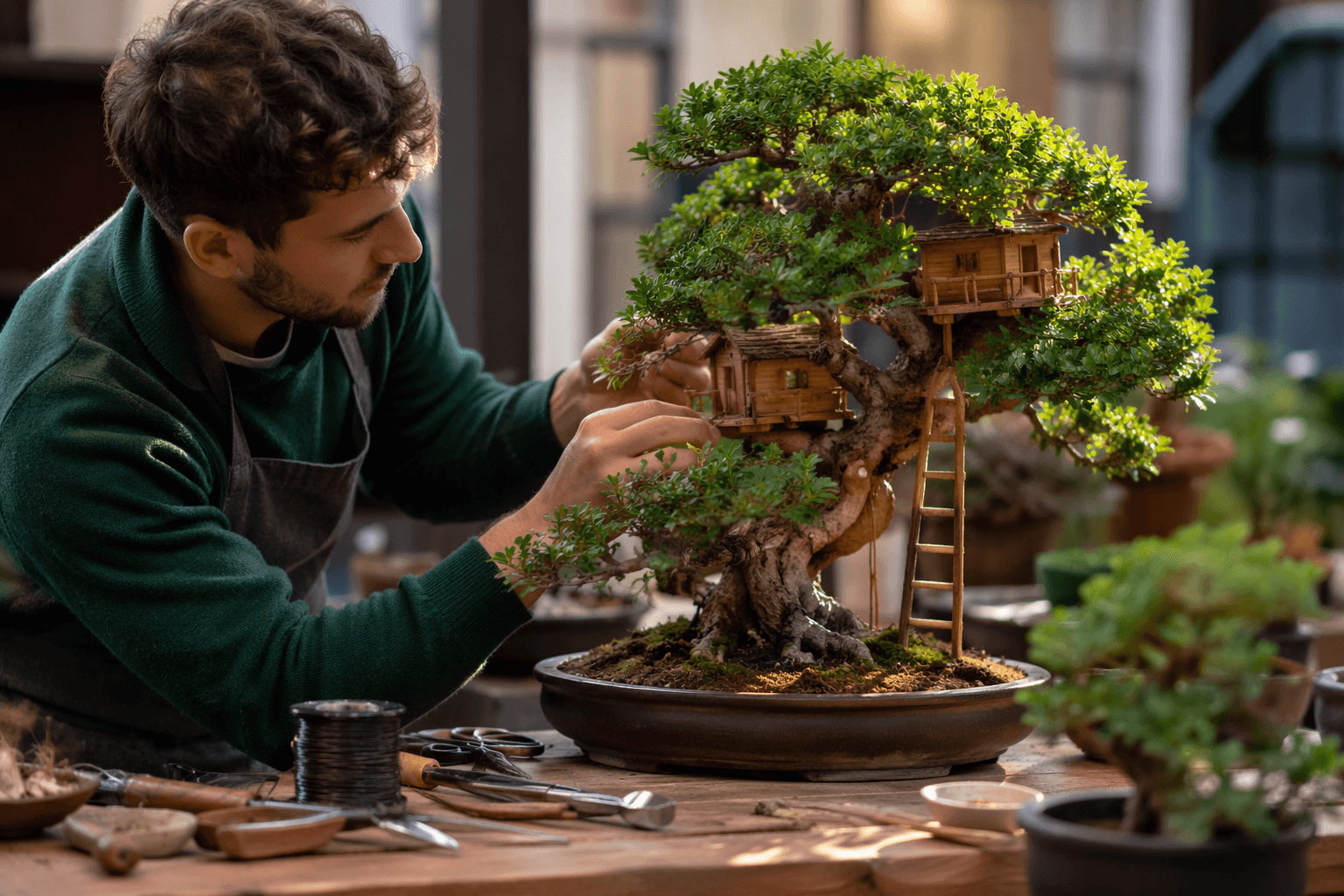
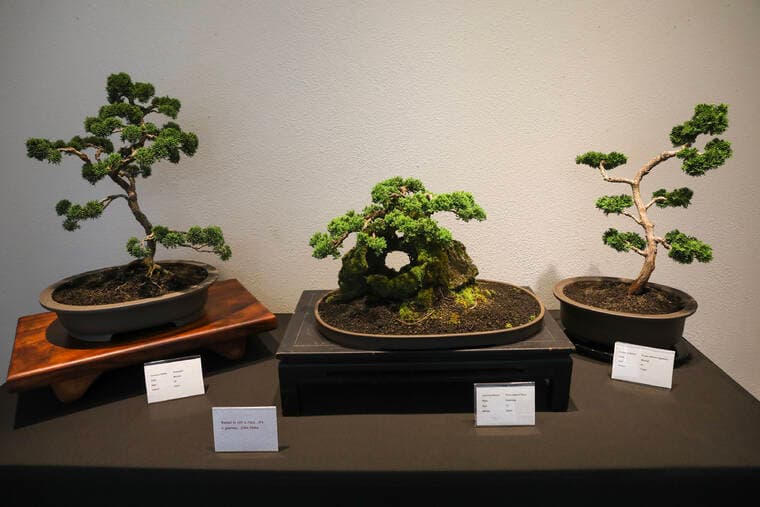
Bonsai demonstrations are scheduled for 1 p.m. on both days on the lower level of the Wailoa Center. That is the part of the show most likely to pull in both serious hobbyists and first-timers, because it turns the exhibit from a static gallery into a live lesson. The trees on view will come in a variety of styles and species, giving visitors a chance to compare trunk movement, branch structure, and refinement standards across multiple entries and, according to the venue, across work presented by Mokuhonua Bonsai Kai along with Hilo Bonsai Kyoshitsu.
The setting adds its own layer of meaning. Wailoa Center describes itself as Hawaii Island’s largest venue for local and international art, free and open to the public, and state materials note that the site helped breathe new life into the green zone created after the devastating 1960 tsunami along Hilo’s bayfront. That history helps explain why a bonsai exhibit lands so naturally there: it is public, local, and rooted in patience.

The show is also part of a longer island tradition. Hawaii bonsai history places the craft within the state’s broader Japanese-influenced culture and notes that Hawaii hosted Bonsai Clubs International conventions in 1980, 1990, and 2000. Against that backdrop, the Hilo exhibit reads less like a once-a-year novelty than a living checkpoint for the local scene, and this weekend’s free public access keeps that checkpoint open to anyone willing to spend a few quiet hours with the trees.
This article was produced by Prism’s automated news system from verified source data, official records, and press releases, then run through automated quality and moderation checks before publishing. The system is built and supervised by the people who set the standards it runs under. Read our full AI policy.
Did this article answer your question?