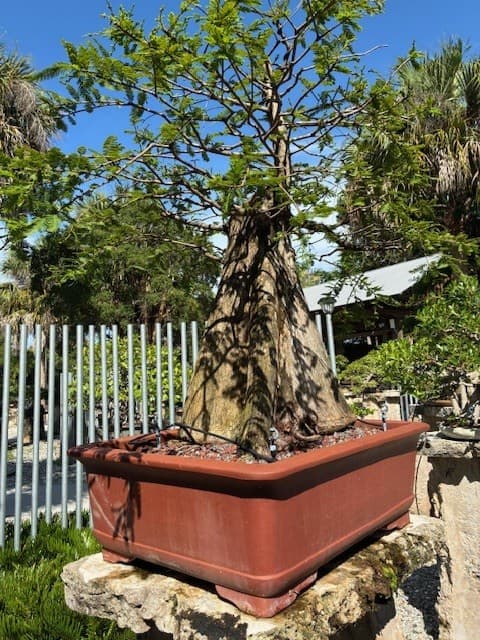
London exhibition pairs bonsai trees with miniature architectural treehouses
Miniature treehouses will be built around individual bonsai in central London, flipping the usual design process and putting the trees in charge.

The smallest trees are getting the biggest job at Oxford Square near Marble Arch, where architects, landscape designers and engineers will build miniature treehouses around individual bonsai trees. The Museum of Architecture has framed the project, called Bonsai Treehouses, as a public installation that asks a simple but unusual question: what happens when architecture has to answer to a living plant first?
The exhibition is set to run from July 4 through August 31, after being announced on June 2. That timeline gives the project a full summer window in central London, with bonsai acting not as backdrop but as the starting point for each design. Instead of treating the trees like decorative props, the participating practices will have to respond to each specimen’s scale, balance, structure and visual presence. In bonsai terms, that means the tree’s silhouette, trunk line and proportions are doing the directing.
The names attached so far include McCloy + Muchemwa, Bogle Architects, Macro Micro Architects and Hyper Space Architects, with more contributors still to come. That mix matters because the show is not being pitched as a single-author showcase or a row of generic models. It is a set of small built responses to living material, which puts materiality and restraint at the center of the brief. A treehouse that has to coexist with a bonsai cannot bluff its way through scale. Every line, roof pitch and support element has to earn its place.
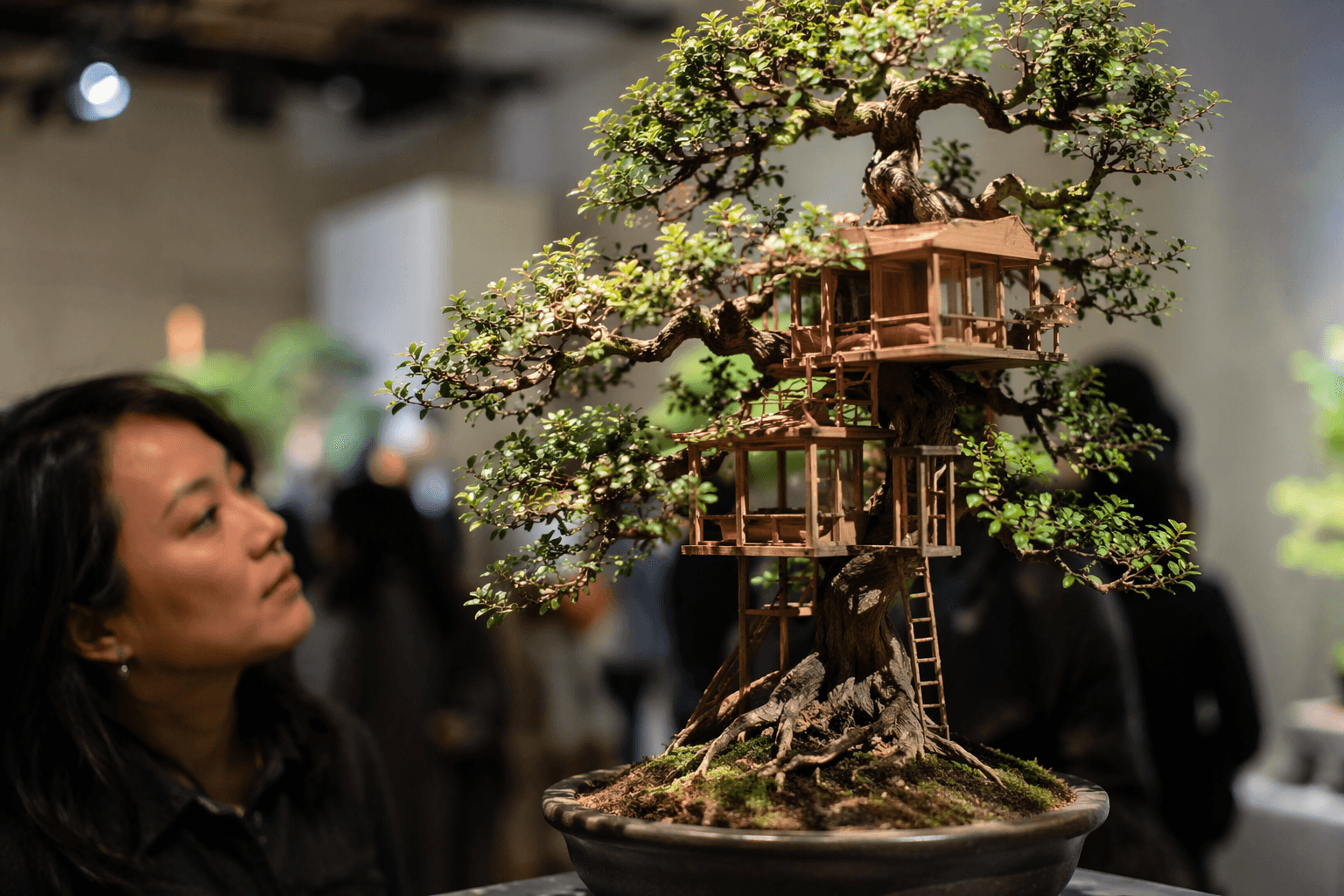
The Museum of Architecture has said the concept follows the path of its Gingerbread City installations, which drew families and design fans alike. This one feels different because the novelty is not just in shrinking architecture down for display. The bonsai are the point of origin, which gives the exhibition a stronger link to landscape, storytelling and urban imagination than a simple novelty show would. That is what gives Bonsai Treehouses a chance to feel less like a gimmick and more like a genuine design exercise.
For bonsai people, the appeal is obvious. The exhibition turns familiar principles, scale, restraint and structure, into built form and asks architecture to play by the same rules. If the trees really lead the conversation, this could be one of the more intelligent summer shows in London, and a reminder that bonsai has always had lessons for disciplines far beyond the bench.
This article was produced by Prism’s automated news system from verified source data, official records, and press releases, then run through automated quality and moderation checks before publishing. The system is built and supervised by the people who set the standards it runs under. Read our full AI policy.
Did this article answer your question?