Pittsboro bonsai workshop offers beginners hands-on training with Ken Hallatt
A two-date, all-inclusive bonsai class in Pittsboro-Siler City gives beginners a real first tree, not just a demo, with Ken Hallatt leading the way.
A better first step than a one-off demo
Two Saturdays, one clear entry point: the Pittsboro-Siler City Convention & Visitors Bureau is offering a hands-on introduction to bonsai on April 18 and again on May 16, with each class running from 10:00 a.m. to 2:00 p.m. That repeat-date structure is the smart part. Instead of forcing beginners to commit to a single fleeting workshop, it gives them a second chance to step into the art with the same guided format and no guesswork.
That matters in bonsai, where the hardest part is often not the wiring or the pruning, but simply deciding whether this is a hobby you can realistically start. A four-hour block feels less like a lecture and more like a guided first build, which is exactly the kind of on-ramp that makes the art less intimidating for people who have admired bonsai from a distance.
What you actually get for the fee
The class is priced at $85 per person, and that fee includes all workshop materials needed to create a bonsai, an introductory bonsai book, a detailed aftercare guide, and light hors d’oeuvres. That package tells you a lot about the audience. It is built for people who do not already own tools, a tree, or a shelf full of supplies, and it removes the most common barriers that stop a beginner before the first cut is made.
Just as important, the event requires payment at registration to hold a spot. This is not a drop-in craft table or a casual demo where you can wander in and watch from the back. It is a planned hands-on workshop, which means the organizer is treating the class like a real learning experience with limited space, real materials, and a clear finish line.
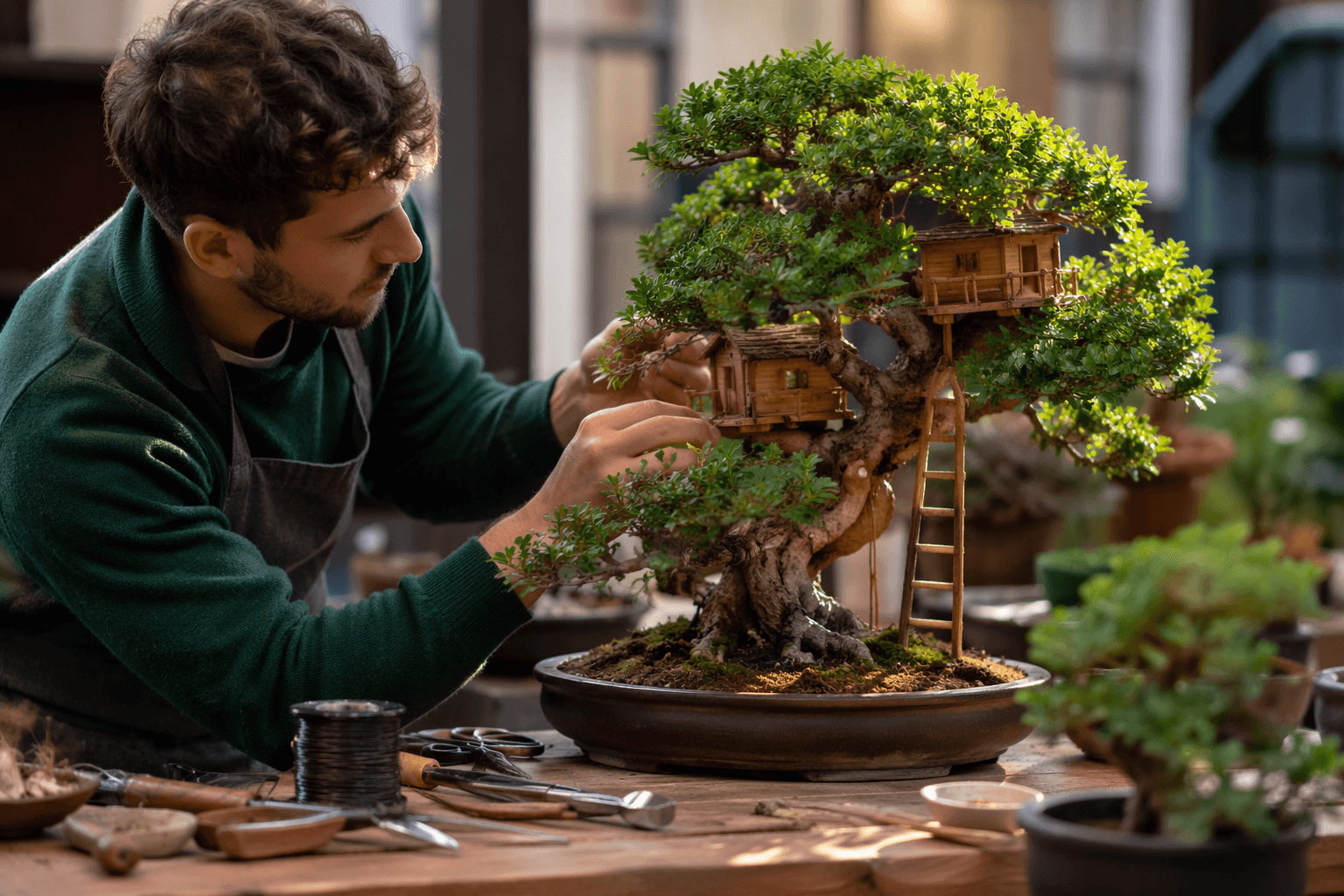
The biggest practical detail is that participants leave with their own bonsai composition. That changes the whole value of the workshop. You are not just absorbing terminology or watching someone else work a tree, you are leaving with a living project and the aftercare information you need to keep it moving once you get home.
Why Ken Hallatt is the right person to teach it
The instructor, Ken Hallatt, is described as a bonsai artist, educator, and owner of Carolina Bonsai. He also served as former president of the Triangle Bonsai Society, which gives him both the hands-on teaching side and the club leadership side that usually signal a serious bonsai background. In a hobby where technique and judgment come from repetition, that combination matters.
Hallatt has over 40 years of experience, and the event listing says he has trained with many gifted international bonsai artists. That kind of pedigree helps explain why the class is framed as a guided introduction rather than a simple demonstration. Beginners are not just getting advice from someone who likes plants; they are learning from someone who has spent decades in the art form and has moved through its wider teaching network.
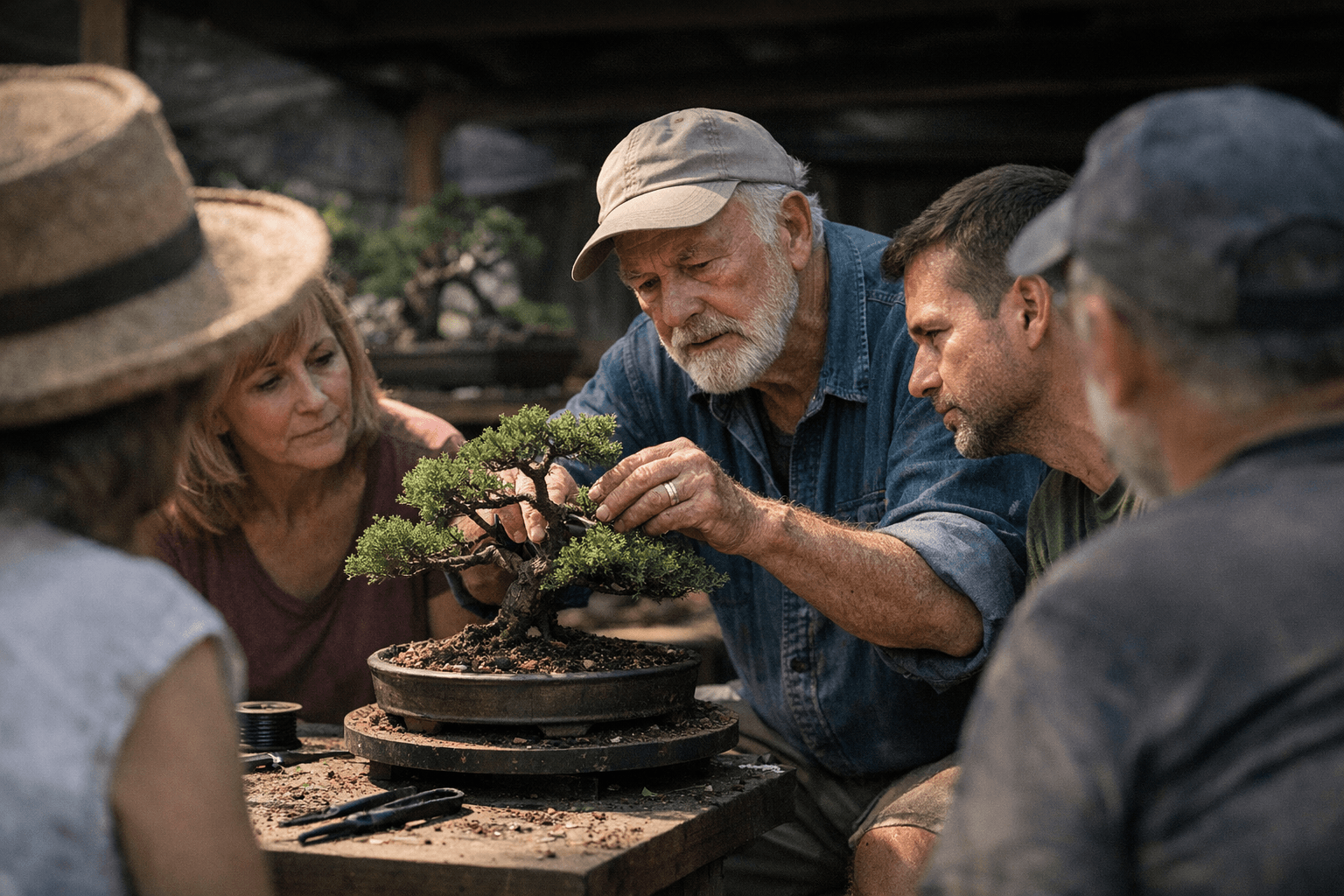
The tone of the listing is telling, too. It leans on lived experience and community leadership, not on generic gardening language. That is the difference between a workshop that teaches a decorative project and one that introduces a living practice.
Why the two-date format lowers the barrier
A bonsai class can feel daunting for a first-timer because the hobby carries so many layers at once: species choice, pot selection, styling, watering, repotting, and the fear of killing the tree after you get home. A single one-off workshop can leave people with a finished pot but no real next step. This format does the opposite by building the follow-through into the package.
The 10:00 a.m. to 2:00 p.m. window is long enough to slow down and learn, but short enough to feel manageable. For someone testing the waters, that balance is everything. It gives you enough time to make something meaningful, ask questions, and still walk away with a book and aftercare guide instead of a vague memory of a few pruning snips.
The fact that the workshop appears more than once also helps. A related Durham-area listing repeats Hallatt’s role and the same $85 price point, which suggests this is a workshop format that has already been carried into more than one setting. That kind of portability usually means the structure works, and that is good news for beginners looking for a reliable entry into the hobby.
Where this fits in North Carolina’s bonsai scene
The class does not exist in isolation. The Triangle Bonsai Society says it promotes the art of bonsai through meetings, lectures, workshops, and demonstrations, and that it is dedicated to helping bonsai enthusiasts get started and advance their skills. It also says it has active members throughout the eastern half of North Carolina, which places Hallatt’s teaching inside a broad, active regional network rather than a one-off local event.
That network has visible public roots at the North Carolina Arboretum, where the Bonsai Exhibition Garden was established in October 2005. The garden displays up to 50 bonsai specimens at a time, including traditional Asian species, tropical species, and American species. For anyone trying to understand the range of the art, that is a useful reminder that bonsai is not one narrow style but a living collection with room for different climates, species, and traditions.
Seen in that context, the Pittsboro-Siler City class feels less like a novelty and more like an accessible doorway into an established North Carolina hobby culture. The structure is simple, the materials are included, the instruction comes from someone with deep experience, and the student leaves with a tree and a roadmap for what comes next. That is the kind of beginning that can turn curiosity into a lasting practice.
This article was produced by Prism’s automated news system from verified source data, official records, and press releases, then run through automated quality and moderation checks before publishing. The system is built and supervised by the people who set the standards it runs under. Read our full AI policy.
Did this article answer your question?