Rail City Garden Center workshop teaches beginner bonsai styling and wiring
A one-hour styling and wiring class gives Sparks beginners a fast first step into bonsai. Rail City’s Green College calendar turns a nursery lesson into a real community entry point.
A beginner class with a sharp, practical focus
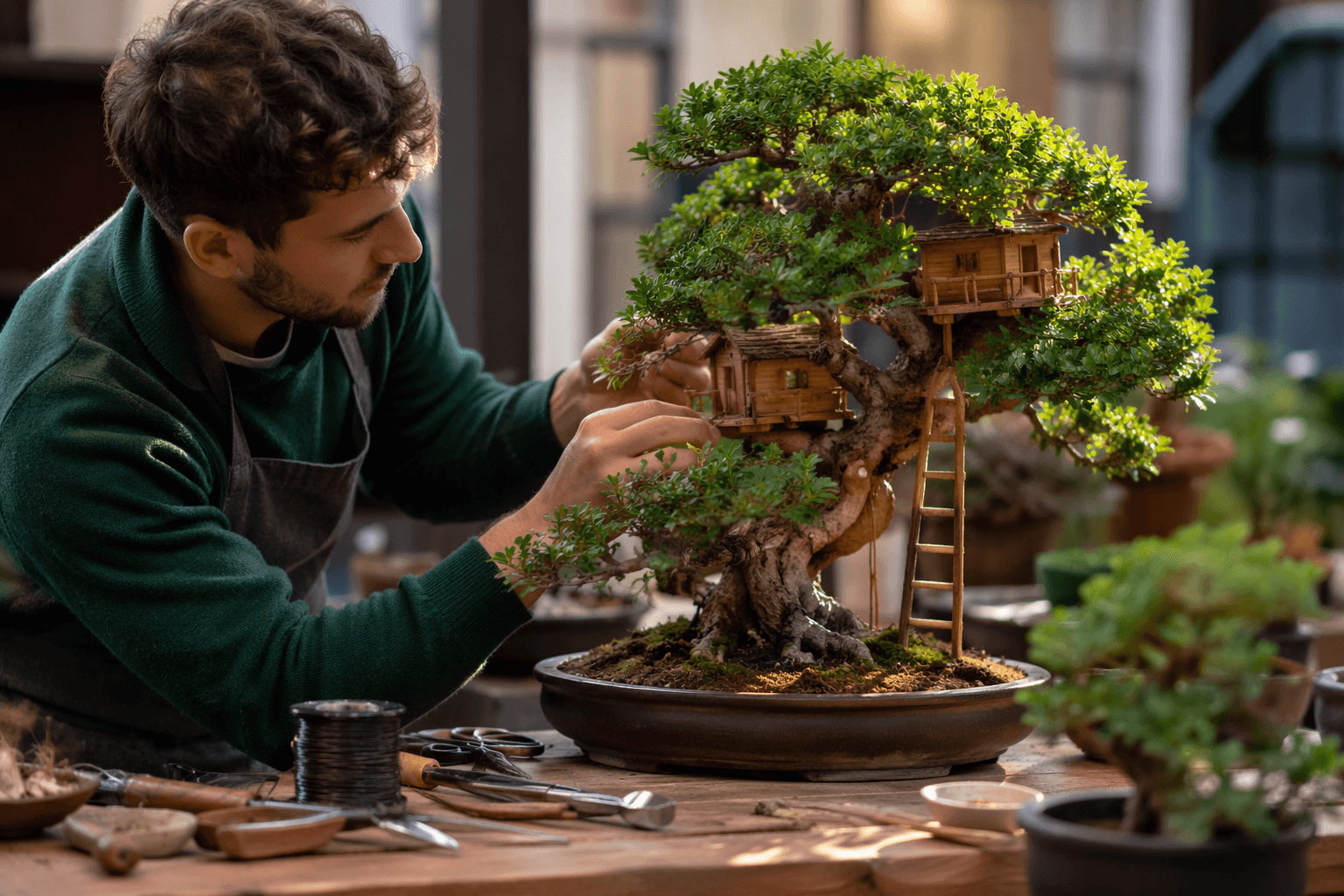
Rail City Garden Center’s Bonsai Workshop: Styling and Wiring is the kind of class that matters because it gets right to the two skills that change a nursery tree fastest. The session was set for Sunday, May 17, 2026, from 11:00 a.m. to 12:00 p.m. at Rail City Garden Center in Sparks, Nevada, and the title alone tells you the point: shape the tree, then use wire to direct it.
That is exactly the sort of entry-level workshop many new bonsai growers need. It does not try to cover everything at once or drift into abstract display talk. It focuses on the first hands-on steps that turn a plant into a bonsai-in-progress, which is why a one-hour format makes sense for beginners who want practical exposure without committing to a long course.
Why styling and wiring are the first real turning points
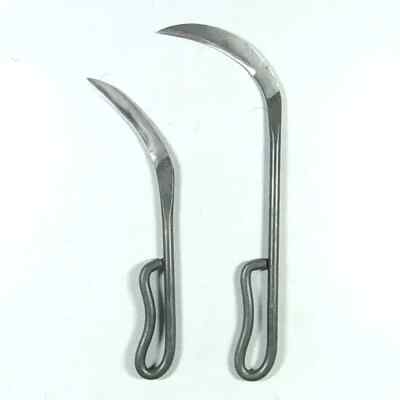
Styling is where a tree starts to look intentional. Wiring is what gives you control over branch direction, letting you bend and reposition growth instead of just hoping the tree settles into a shape on its own. Bonsai Empire describes wiring as a core training method, and it is one of those techniques that looks simple until you actually do it.
For a beginner, these are the two skills that most quickly change the way a tree reads. You can own a bonsai for months and still feel like you are just keeping it alive. Once you learn how to choose a front, create movement, and place wire without crushing the branch, you move into development instead of maintenance.
The other reason wiring belongs early in the learning curve is patience. Wired branches do not lock into position overnight. They can take months to set, which means a short workshop is not just about technique, it is about setting expectations. A good first lesson teaches you how to work the tree safely and how to think in seasons, not minutes.
What you are likely to get out of a one-hour session
A short-format class like this is not enough time for a deep dive into refinement, but it is enough time to build useful muscle memory. Expect to leave with a clearer sense of how to read a tree’s structure, where wire goes, and how much movement is realistic without stressing the material.

More important, a beginner should walk away less intimidated. The first real barrier in bonsai is often not lack of interest, it is fear of touching the tree. A styling-and-wiring workshop lowers that barrier by showing that the work is deliberate, reversible enough to learn from, and grounded in simple mechanics.
If the session is well run, the big takeaways should be straightforward:
- how styling changes the tree’s overall line and balance
- how wiring helps bend and reposition branches
- how to approach a branch without overdoing the bend
- why a wired tree needs time before the new shape holds
- how to think about next steps after the initial setup
That is useful on day one, especially if you have been staring at a pre-bonsai or nursery stock and wondering where to begin.
Why Rail City Garden Center is a natural local entry point
Rail City is not presenting this as a one-off novelty. The garden center says it has been locally owned and operated since 1996, and it describes itself as a full-service garden center in Northern Nevada. Its public store page lists the address as 1720 Brierley Way, Sparks, NV 89434, and the store is open Monday through Sunday from 9:00 a.m. to 5:00 p.m.
That matters because bonsai beginners often learn best in a retail setting where the tools, soil, and plant material are all close at hand. Rail City’s “Green College” calendar is built around that idea, with numerous classes and events throughout the year. A workshop on styling and wiring fits naturally into that model: you learn the technique, then you can immediately start looking at real trees, real wire, and real supplies in the same place.
The setting also helps make bonsai feel approachable instead of exotic. For a lot of new growers, the biggest hurdle is not finding information. It is finding a place where the information feels usable in the same hour you hear it.
Part of a larger 2026 bonsai curriculum
Rail City’s Eventbrite organizer page shows that Bonsai Workshop: Styling and Wiring sits inside a more structured year-long bonsai sequence. The 2026 schedule also includes Bonsai Workshop: Air Layering on April 19, Ramification and Leaf Pruning on June 21, Summer Maintenance on August 16, Repotting and Seed Collecting on September 20, and Winterizing Bonsai on October 18.
That sequence says a lot. This is not just a random demo dropped onto the calendar. It looks more like a practical curriculum, spaced through the year so growers can move from one stage of the season to the next. For beginners, that is useful because bonsai learning makes more sense when the topics are connected.
Rail City is also using the same calendar to host other beginner-friendly classes, including Orchids 101 and Houseplant Care 101. That mix suggests the center is trying to build repeat traffic around plant education, not simply sell a class ticket and move on.
Why this matters in Northern Nevada
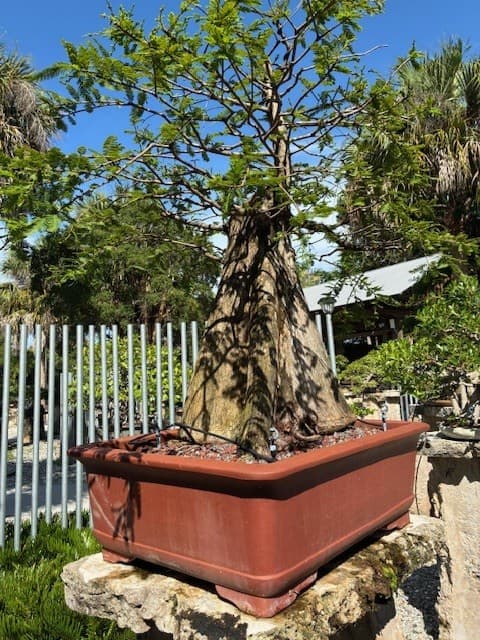
Northern Nevada adds its own layer to the story. Moana Nursery notes that bonsai in Nevada can struggle with low humidity and may need added humidity support. That climate reality makes local instruction especially valuable, because beginner advice that works elsewhere can fall apart fast in Sparks or Reno-Sparks conditions.
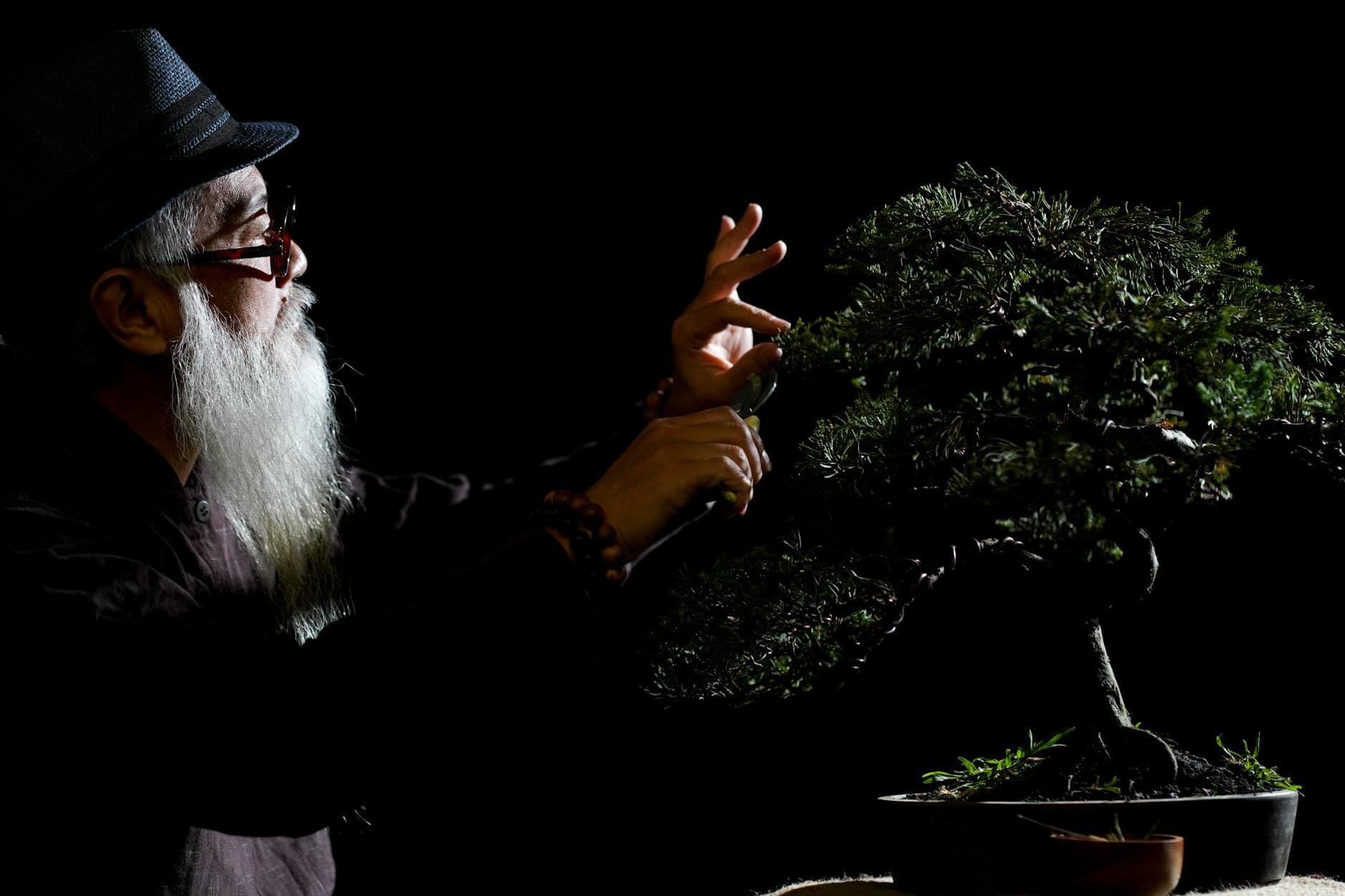
There is also a community around the hobby already. Rain Shadow Bonsai describes itself as a northern Nevada bonsai club that meets monthly from March through October. A beginner workshop at Rail City is not just a standalone lesson in that context. It is a practical doorway into a regional scene where growers can keep learning, compare notes, and stay active through the season.
For a newcomer, that is the real win here. A one-hour class on styling and wiring can teach the first decisive movements, but it also plugs you into the local bonsai rhythm, the one that turns curiosity into practice. In Sparks, that first step happens in the middle of a working garden center, with a calendar full of follow-up lessons and a community already built around the same questions you are starting to ask.
This article was produced by Prism’s automated news system from verified source data, official records, and press releases, then run through automated quality and moderation checks before publishing. The system is built and supervised by the people who set the standards it runs under. Read our full AI policy.
Did this article answer your question?