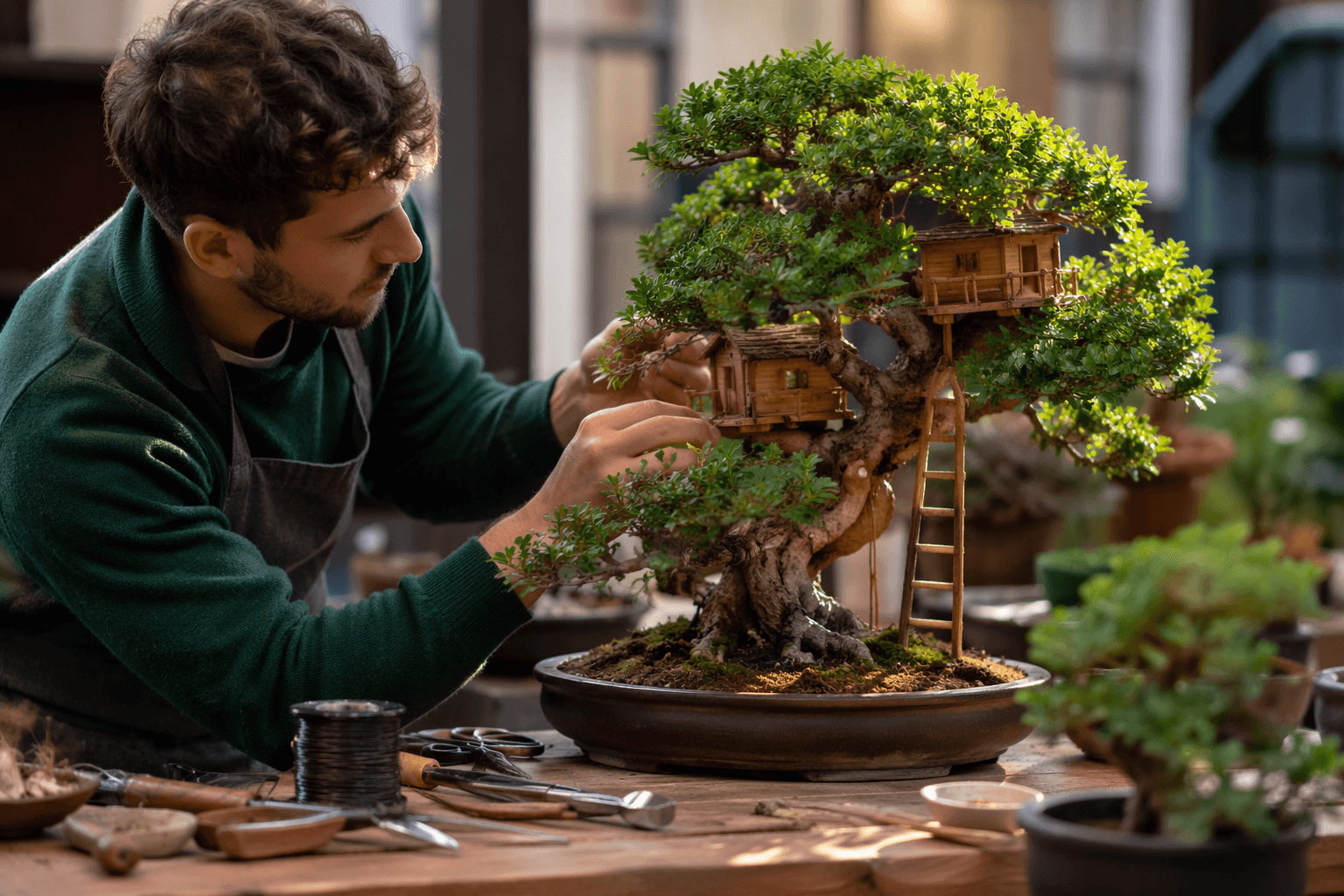
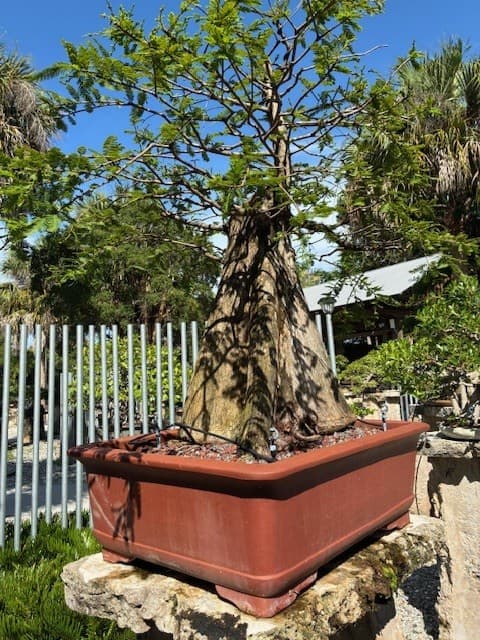
Rooftop bonsai kingdom in Jessore features rare sandalwood trees
A three-house rooftop in Jessore turns rare white sandalwood into a local bonsai landmark, mixing scarcity, climate-smart space and deep Bangladeshi practice.
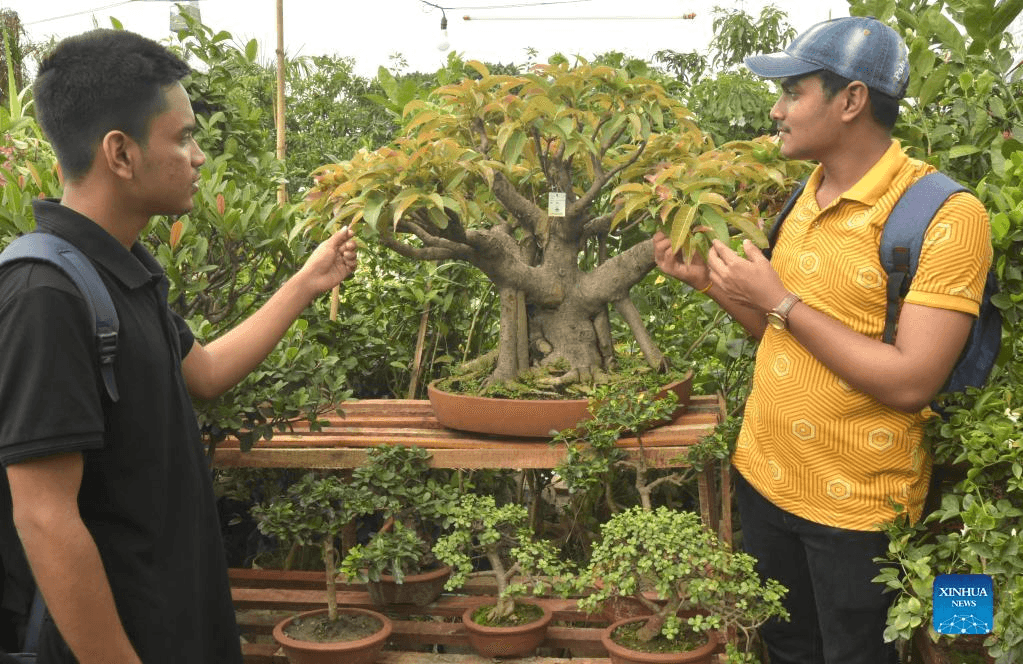
A rooftop bonsai scene in Jessore becomes something larger when white sandalwood enters the picture. Spread across the roofs of three houses, the collection turns a private urban garden into a local landmark, with rare sandalwood standing beside banyan, pakur and adenium in a setting built for sun, airflow and visibility.
Why this rooftop stands out
This is not the usual club display or retail workshop. The power of the Jessore story is that it shows bonsai as lived-in household landscape architecture, where the entire roof becomes the growing bench and the collection itself becomes part of the city’s visual fabric. That matters in a dense urban environment, because rooftop cultivation solves one of bonsai’s most persistent problems in the tropics: how to give trees enough light and movement while still keeping them manageable and protected.
White sandalwood is what makes the collection stop people in their tracks. Sandalwood, or Santalum album, is slow-growing, high-value and usually discussed in terms of fragrant heartwood and essential oil, not casual hobby growing. Seeing it trained as bonsai gives the material a different kind of weight, because it asks for patience, restraint and long-term stewardship in a way that few ornamental species do.
The species mix tells you this is a local bonsai language
The Jessore collection makes the most sense when you read it as part of Bangladesh’s own bonsai culture rather than as an import of temperate-tree habits. Banglapedia notes that many nurseries in Bangladesh practice bonsai and commonly work with native species such as banyan, tamarind, acacia, cassia, gold mohur, mango, asoka, pomegranate and bougainvillea. It also says Bangladeshi florists use both Japanese and Chinese bonsai styles, which helps explain why local practice has room for both formal technique and regional material.
That same local logic shows up in New Age’s reporting on a bonsai exhibition, where most trees were made from banyan, white fig, known as pakur, tamarind, arjun and kamini, with members also focusing on local trees such as tejpatta, ghurni and seora. The Jessore rooftop fits squarely into that pattern. Banyan and pakur are not decorative afterthoughts here; they are part of the backbone of tropical bonsai practice in Bangladesh, where species have to cope with heat, humidity and strong seasonal light.
A collection built around sandalwood, banyan, pakur and adenium suggests something important about regional bonsai taste. It is not simply reproducing a temperate bonsai catalogue in a warmer climate. It is using material that already belongs to the landscape, then refining it into small-scale form.
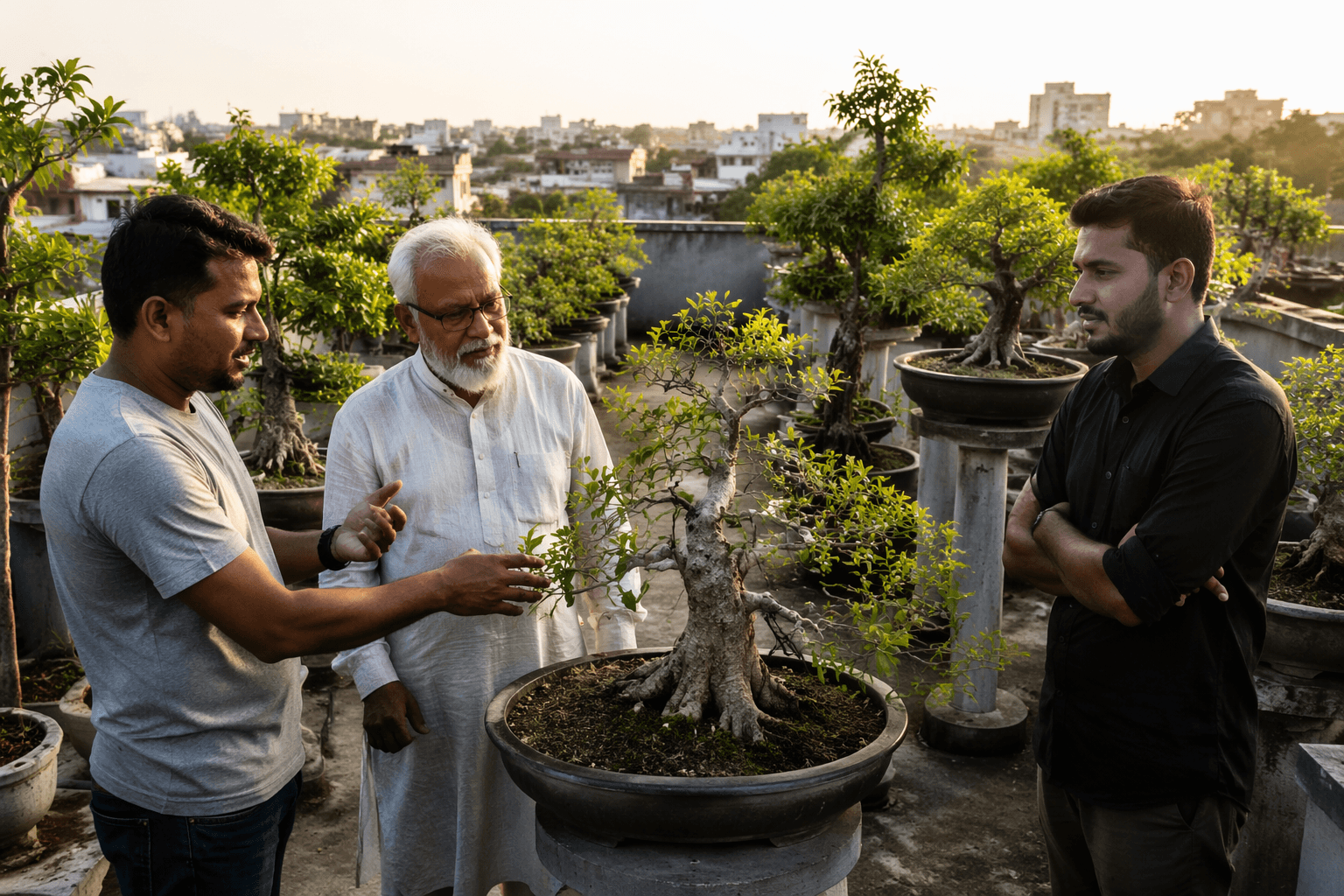
What a rooftop setting changes for bonsai
Rooftops are not just convenient space. In Bangladesh, rooftop gardens are also framed as a climate-adaptation strategy, one that can make dense cities more livable and help reduce heat risk. For bonsai, that translates into a very practical advantage: the roof can supply the exposure and air movement that compact urban ground space often lacks.
The tradeoff is that a rooftop asks for discipline. Trees in shallow containers dry faster, wind is harsher, and the grower has less margin for neglect. That is exactly why a rooftop kingdom of bonsai feels so impressive when it works. It is not just a display of pretty pots. It is evidence that the grower has learned how to manage a difficult environment and turn it into a productive one.
This is part of a longer Bangladeshi bonsai story
Jessore’s rooftop collection does not appear out of nowhere. The Business Standard previously reported on Anisul Haque’s rooftop miniature forest in Dhaka and said he began working with bonsais in 1985. That history matters because it shows how long rooftop bonsai has been developing in Bangladesh as both an art form and a way of using urban space.
The country’s exhibition scene also shows the scale of the community. One Business Standard exhibition report described about 45 bonsai-lovers displaying a total of 260 bonsai trees. That is not a fringe hobby image, and it helps explain why a rooftop collection in Jessore can read as part of a broader culture rather than a one-off novelty.
Seen in that context, the Jessore roofs do more than hold rare trees. They connect a slow-growing species like sandalwood to a long-running local practice that already favors banyan, pakur and other native material. The result is a bonsai landscape that feels rooted in place, shaped by climate, and memorable enough to turn three ordinary house roofs into something the city notices.
This article was produced by Prism’s automated news system from verified source data, official records, and press releases, then run through automated quality and moderation checks before publishing. The system is built and supervised by the people who set the standards it runs under. Read our full AI policy.
Did this article answer your question?