Smith-Gilbert Gardens makes bonsai a monthly hands-on lesson
Smith-Gilbert Gardens now folds bonsai into its monthly calendar, giving beginners a low-pressure way to watch real work on a major collection.
A monthly bonsai lesson, not a novelty stop
Smith-Gilbert Gardens has done the smart thing here: it has made bonsai part of the rhythm of the garden, not a special one-off. That matters if you have ever looked at bonsai and thought the entry point was too formal, too clubby, or too far down the rabbit hole for a first step.
Discover Bonsai is built as a recurring second-Saturday program, with some calendar exceptions, and the city of Kennesaw also frames it as a seasonal offering from April through October. In other words, this is not a fleeting demo table. It is a standing invitation to come back, watch the work, and learn the pace of bonsai in a place that already knows how to teach from living collections.
What the day looks like
The program runs from 9 a.m. to 4 p.m., with a lunch break from 12 noon to 1 p.m. It is open to all visitors and included with garden admission, which makes the barrier to entry refreshingly low. You are not signing up for a full course, and you are not committing to a club schedule just to see whether bonsai is your thing.
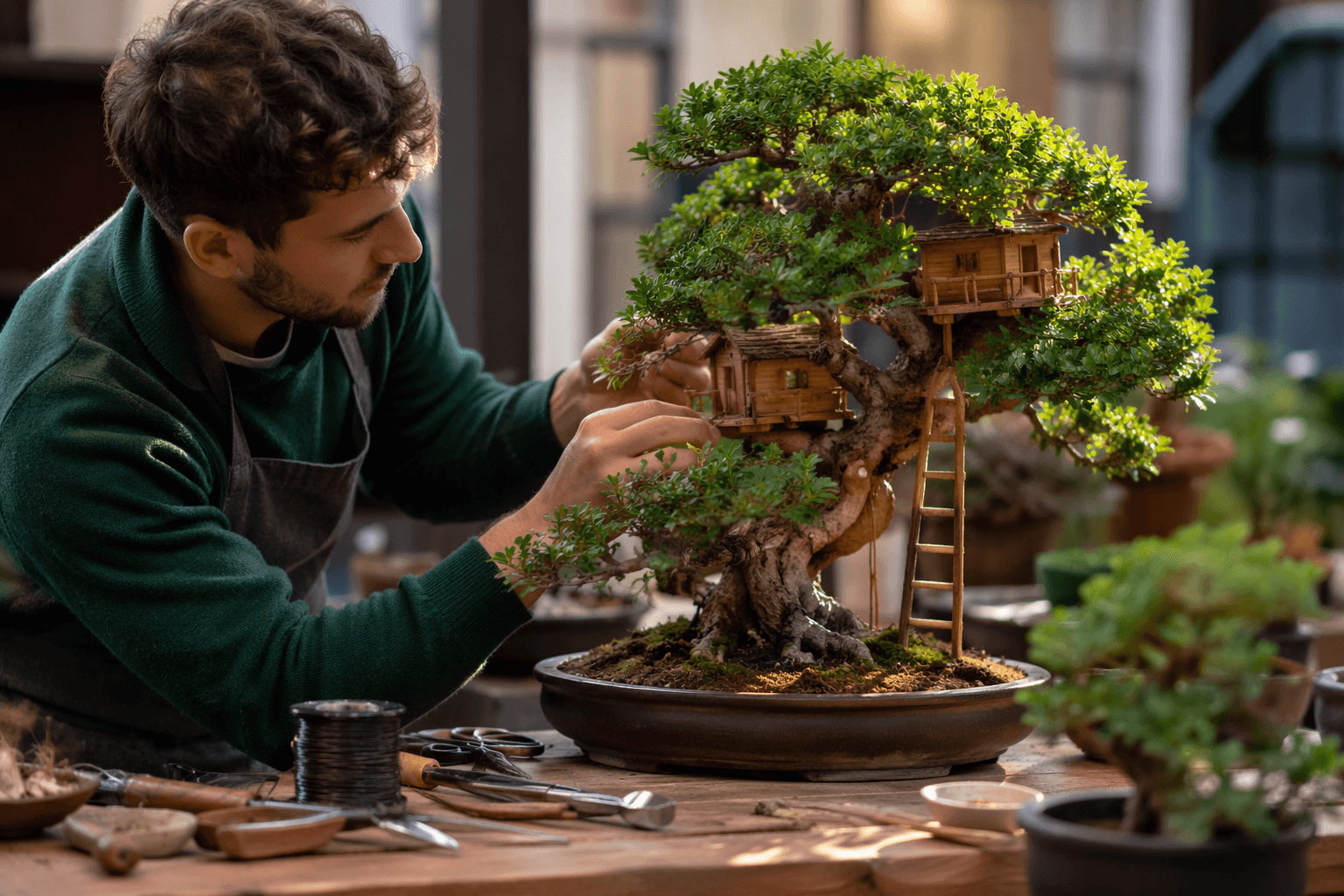
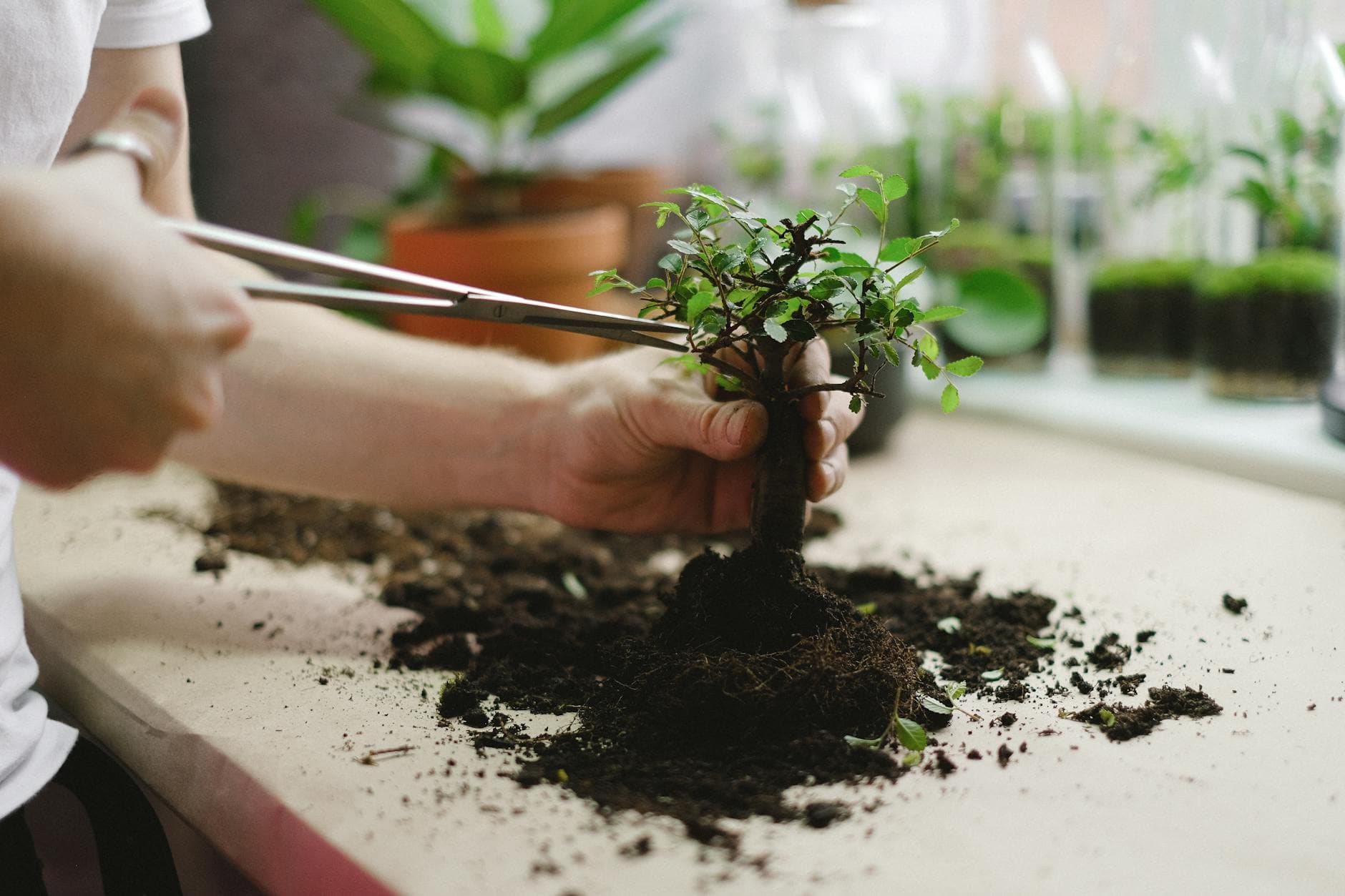
That format is the point. You can drift in, stay for part of the day or the full stretch, and get a real look at how the garden handles its collection. Smith-Gilbert Gardens describes the session as a chance to observe staff and volunteers as they oversee, evaluate, care for, and prune the bonsai collection. For a beginner, that is far more useful than a polished display with no context. Bonsai makes sense when you can watch the wiring, trimming, and maintenance mindset behind it.
Why this setup works for newcomers
The biggest win is that the lesson is observational without being passive. Guests can ask questions about what they are seeing, so the event works like a live clinic instead of a lecture. That is a lot less intimidating than walking into a dedicated bonsai club meeting with zero experience and a thousand assumptions.
It also solves a common beginner problem: bonsai can look mysterious when all you ever see is the finished tree. At Discover Bonsai, the maintenance side is the lesson. You see that the art is not just about a tiny tree in a pot, but about repeated decisions over time, careful pruning, and routine attention. That is the real on-ramp for someone who wants to try bonsai without jumping straight into a long course or buying a tree before understanding how much hands-on care it demands.
One practical detail stands out: do not bring your own bonsai tree. The garden clearly wants the focus on its collection, its teaching format, and the work being done by its own team. That keeps the event simple for casual visitors and keeps the attention where it belongs, on the collection and the technique.
A serious collection, not a side show
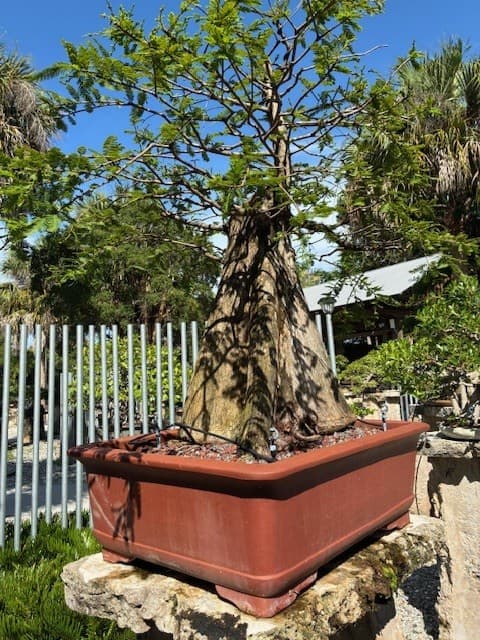
This is not happening in a small corner with a few decorative pots. Smith-Gilbert Gardens says its bonsai exhibit is one of the largest collections of bonsai trees in the Southeast, and a public-gardens listing puts the collection at more than 70 trees. That gives the program weight. You are not watching a token display tacked onto the calendar; you are seeing a substantial living collection being maintained in public view.
The garden itself reinforces the sense that bonsai belongs there. Smith-Gilbert Gardens is a 16-acre public botanical garden in Kennesaw with more than 3,000 plant species, 31 sculptures, and the historic Hiram Butler House, which dates to around 1880. The property was purchased in 1970 by Richard Smith and Dr. Robert Gilbert and developed over the following decades. That long development history matters, because it explains why the bonsai collection is treated as part of a larger, serious horticultural mission rather than as a decorative add-on.
The people behind the lesson
Discover Bonsai is led by Bonsai Curator Rodney Clemons. The garden says he works with a small group of well-trained, very experienced volunteers who help oversee the collection and carry out the maintenance work visitors can watch. That combination gives the program credibility. You are not getting a vague introduction from someone standing in for the real thing. You are watching people who are responsible for the trees.
Clemons also brings outside bonsai credentials that fit the job. He is described in bonsai circles as a teacher, judge, curator, and as the operator of Allgood Bonsai in Stone Mountain, Georgia. That is exactly the sort of background you want guiding a public lesson like this. For a beginner, it means the advice and demonstrations are coming from someone who lives in the practice, not someone reading from a general gardening script.
The volunteer culture around the garden also helps explain why this program can keep showing up month after month. Smith-Gilbert Gardens says nearly 250 volunteers contribute more than 3,500 hours each year. That is a lot of hands supporting a lot of living material, and it tells you the bonsai program sits inside a broader institution that knows how to mobilize people around care, not just display.
How to use the program well
If you are new to bonsai, this is the kind of event that rewards curiosity more than credentials. Show up early enough to see the full working rhythm, pay attention during the pruning and evaluation periods, and use the lunch break as a natural pause before checking back in. Because admission includes the program, the value is in the time on site, not in a separate registration hurdle.
The best part is how local and repeatable it is. A monthly second-Saturday bonsai lesson gives you a dependable way to learn the basics by watching actual work on a major collection, in a garden that already treats horticulture like a living practice. That is a much better on-ramp than chasing bonsai as a one-time spectacle, and it is exactly the kind of public programming that can turn a passing curiosity into a real habit.
This article was produced by Prism’s automated news system from verified source data, official records, and press releases, then run through automated quality and moderation checks before publishing. The system is built and supervised by the people who set the standards it runs under. Read our full AI policy.
Did this article answer your question?