Ten oldest bonsai trees show why patience and care endure
These ancient bonsai prove age is a side effect of discipline: conservative styling, seasonal protection, and stewardship that outlasts any single owner.
Stewardship beats spectacle
The strongest argument for old bonsai is a museum in Saitama City that changes its display every week because the trees are alive. Some of the specimens in this story have survived for more than 1,000 years, and that kind of longevity only happens when someone keeps making the unglamorous choices, year after year.
Japan’s Sargent Juniper
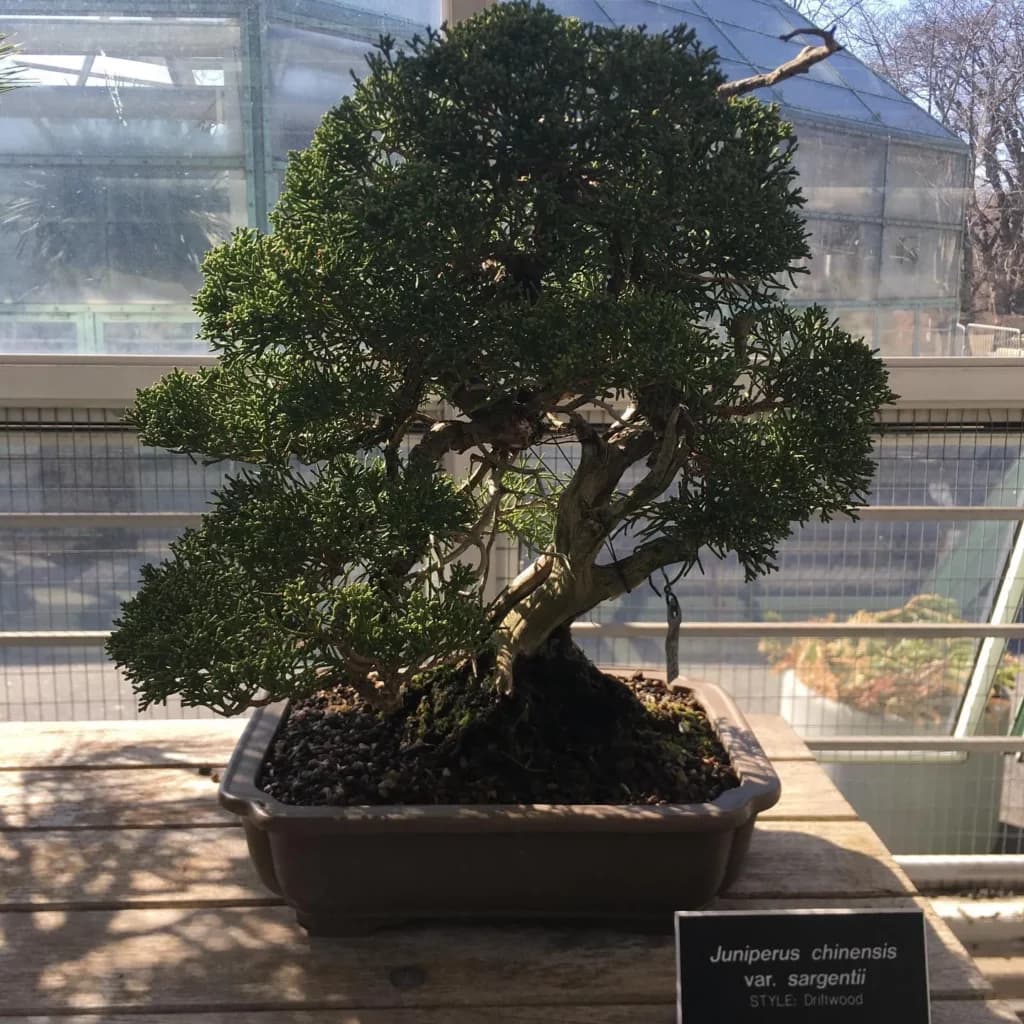
The guide’s opening examples include Japan’s Sargent Juniper, a tree that earns its place not by shouting, but by showing what conservative styling can do over time. Junipers like this reward patience because they can carry refinement for decades without being forced into a shape the species cannot support.
What matters here is the rhythm of care: sound growing conditions, regular maintenance, and enough restraint to let the tree keep its strength. That is the first practical lesson in any old bonsai, and it is the one most people try to skip.
Italy’s Ficus retusa Linn
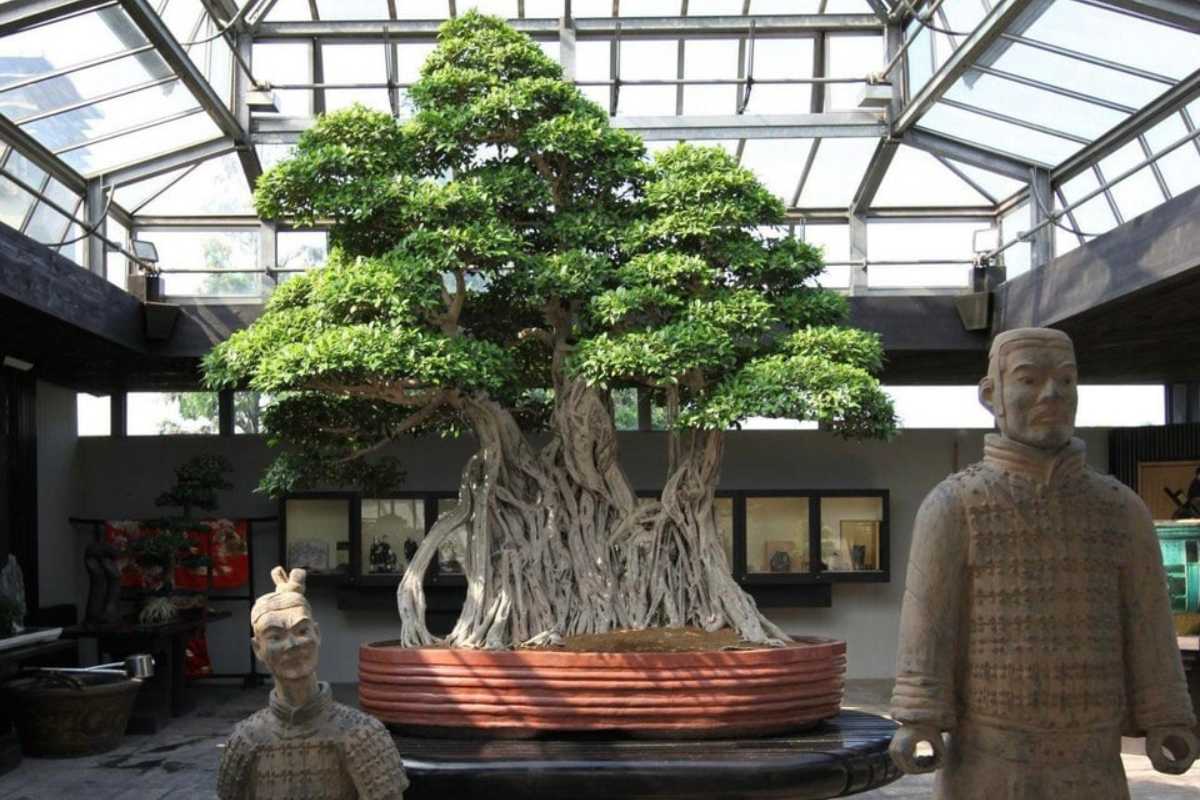
Crespi Bonsai Museum in Italy keeps a thousand-year-old Ficus retusa Linn that arrived in 1986 after ten years of negotiations. That timeline says a lot about the value of the tree itself, because no one goes through that much effort for a disposable object.
A bonsai like this is a living artifact, not a garden accessory. Its survival depends on an environment that stays stable enough for roots, canopy, and caretakers to do their jobs without drama.
The Yamaki Pine carries memory, not just age
The National Bonsai Foundation says the Yamaki Pine is an almost 400-year-old Japanese white pine that was part of Japan’s 1976 bicentennial gift of 53 bonsai to the United States. The same tree survived the 1945 Hiroshima bombing, a detail that was not publicly known outside Japan until Masaru Yamaki’s grandsons shared it in 2001.

That history gives the tree a weight most private collections never carry. In Washington, D.C., at the National Bonsai & Penjing Museum, it stands as proof that bonsai can hold family memory, wartime history, and horticultural discipline in the same pot.
The Omiya museum treats bonsai as living exhibits
The Omiya Bonsai Art Museum in Saitama City, Saitama, Japan, says it is the world’s first publicly operated bonsai museum, opened in 2010. The key detail is not just the date, but the operating model: public stewardship makes the trees part of a civic responsibility, not a private trophy case.
The museum also says bonsai on display are changed weekly because they are living exhibits. That is the practical side of old-tree care in one sentence: preservation is active work, not passive admiration.
Omiya Bonsai Village shows what continuity looks like
Omiya Bonsai Village marked its 100th anniversary in 2025, which puts the whole district in a different category from a single collection or a lone artist. Bonsai longevity is not just about one tree surviving a difficult season, it is about a community keeping the entire tradition intact.
That century mark matters because it shows how a regional bonsai culture becomes its own support system. Nurseries, museums, collectors, and shapers all feed the same long timeline, and that network is what keeps old material from disappearing.
The Arnold Arboretum started with one donation
In Massachusetts, the Arnold Arboretum of Harvard University says its bonsai and penjing collection began with the Larz Anderson donation in 1937. A collection that old does not survive by accident, and this one began the way many enduring bonsai stories do, with a single act of long-term thinking.
That origin matters because it turns stewardship into inheritance. One donor starts the chain, and everyone after that has to decide whether to keep the tree alive for the next caretaker.
Sixty-seven specimens, and some are older than North American assumptions
The Arnold Arboretum now says its bonsai and penjing collection includes 67 specimens, including seven large trees cultivated for 270 to 145 years. The arboretum also notes that these plants have been under cultivation longer than any other plants currently growing in North America.
That is the kind of fact that resets your sense of scale. When a collection reaches that age, the daily work stops being about novelty and becomes about consistency, observation, and never letting a single bad season define the tree.
Species choice and climate fit do the quiet work
The guide points out that these long-lived examples span different botanical families and growing habits, and that is not a throwaway detail. Species selection matters because a tree that suits the climate, light, and watering rhythm of its owner has a far better shot at lasting.
This is where a lot of hobby collections fall apart. The old bonsai show that longevity starts long before styling, with the decision to grow material that can actually thrive where you live.
What the oldest trees actually teach
Age alone is not the prize. The real lesson running through the Sargent Juniper, the Ficus retusa Linn, the Yamaki Pine, and the collections in Saitama and Massachusetts is that bonsai survives when each caretaker accepts a narrow job: protect the roots, avoid needless drama, and hand the tree off in better shape than it arrived.
That is why these ancient trees still matter to a working bench today. They prove that bonsai is not a disposable display, but a chain of careful decisions stretching across generations.
This article was produced by Prism’s automated news system from verified source data, official records, and press releases, then run through automated quality and moderation checks before publishing. The system is built and supervised by the people who set the standards it runs under. Read our full AI policy.
Did this article answer your question?